 English
 русский
Content
- 1 What Exactly Is a Home Filament Light Bulb?
- 2 Bulb Shapes and Glass Finishes That Shape a Room
- 3 The Real Energy Math Behind the Warm Glow
- 4 Color Temperature and the Role of CRI
- 5 Placing Filament Bulbs Where They Work Hardest
- 6 Buying Priorities That Prevent Buyer’s Remorse
- 7 Separating Myths From Measured Performance
A 6-watt LED filament bulb now delivers the same 800-lumen warm light as a 60-watt incandescent, while consuming less than $1.50 in electricity per year. The category isn’t just about nostalgia anymore — it’s about precision engineering that brings century-old aesthetics into a hyper-efficient present. Home filament light bulbs sit at that intersection, and knowing how to choose one means understanding both the visual impact and the runtime numbers.
This article strips away the marketing fluff. You’ll get a clear look at what defines a filament bulb, how the different shapes and glass finishes perform in real rooms, and exactly where the energy costs land when you run these lights for thousands of hours.
What Exactly Is a Home Filament Light Bulb?
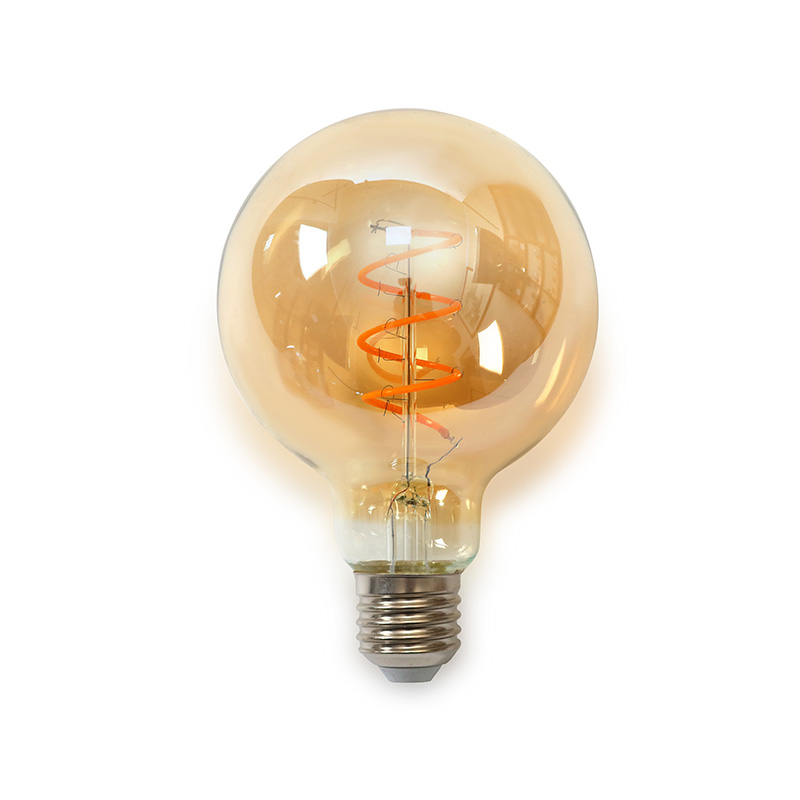
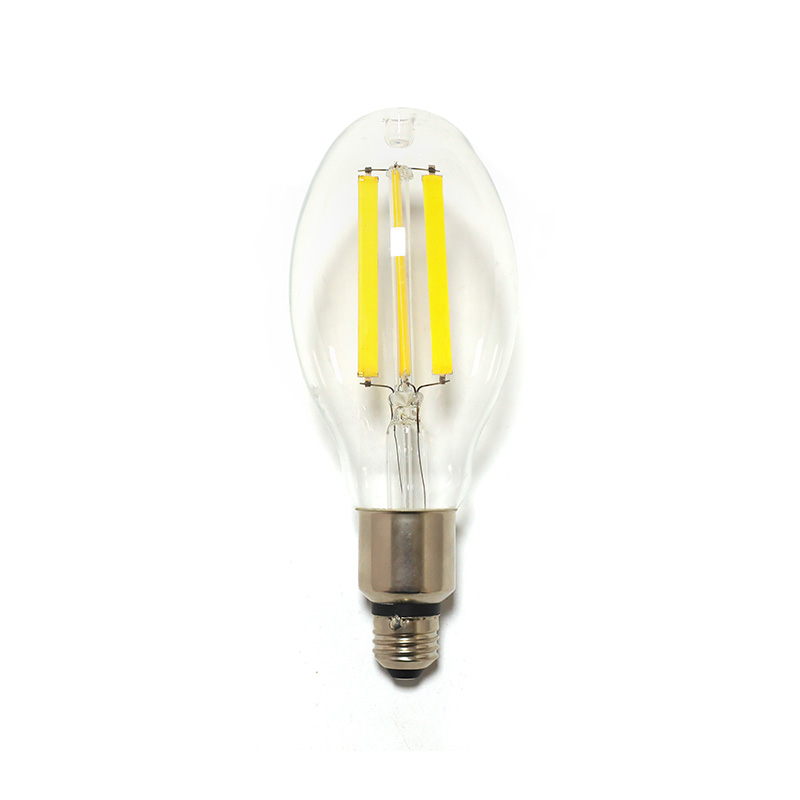
A home filament light bulb is an LED lamp that replicates the look of early 20th-century incandescent bulbs. Inside a clear or lightly tinted glass envelope, flexible LED strips are arranged in zigzag, spiral, or straight-line patterns that glow like traditional tungsten filaments. The technology is pure solid-state lighting; the aesthetic is pure heritage.
Modern versions use a glass stem and thin phosphor-coated substrates to diffuse the light evenly along the “filament.” The driver electronics sit hidden inside the metal or glass base, keeping the bulb’s profile identical to that of an old carbon or tungsten source. Because the LED strips operate at a fraction of the wattage, heat is minimal, and the bulb envelope can be made thin and elegant without the bulk of heat sinks. This is what allows a G125 globe or an ST64 tubular shape to hang exposed in a chandelier — you see only the decorative frame and that distinctive soft glow.
Bulb Shapes and Glass Finishes That Shape a Room
Not all filament bulbs cast the same character. The glass form and finish control beam spread, fixture compatibility, and the level of vintage drama you introduce. The table below matches common shapes to their best-use scenarios.
| Shape Code | Typical Diameter | Visual Character | Ideal Fixture Type |
|---|---|---|---|
| A19 / A60 | 60 mm | Classic household pear shape | Table lamps, flush ceiling lights |
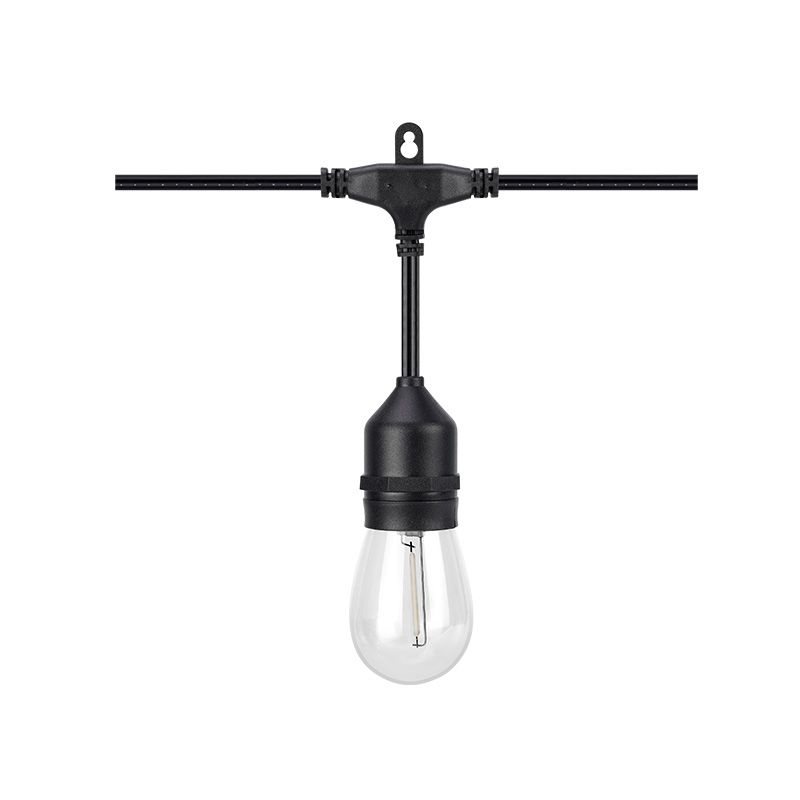
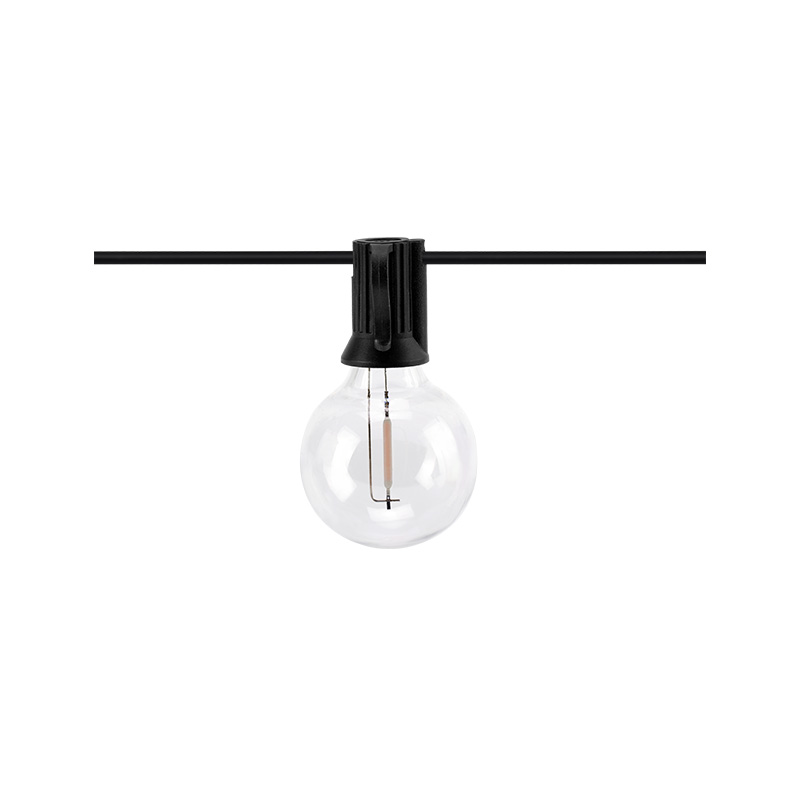
| G40 | 40 mm | Small globe, often used in strings | Vanity strips, outdoor bistro sets |
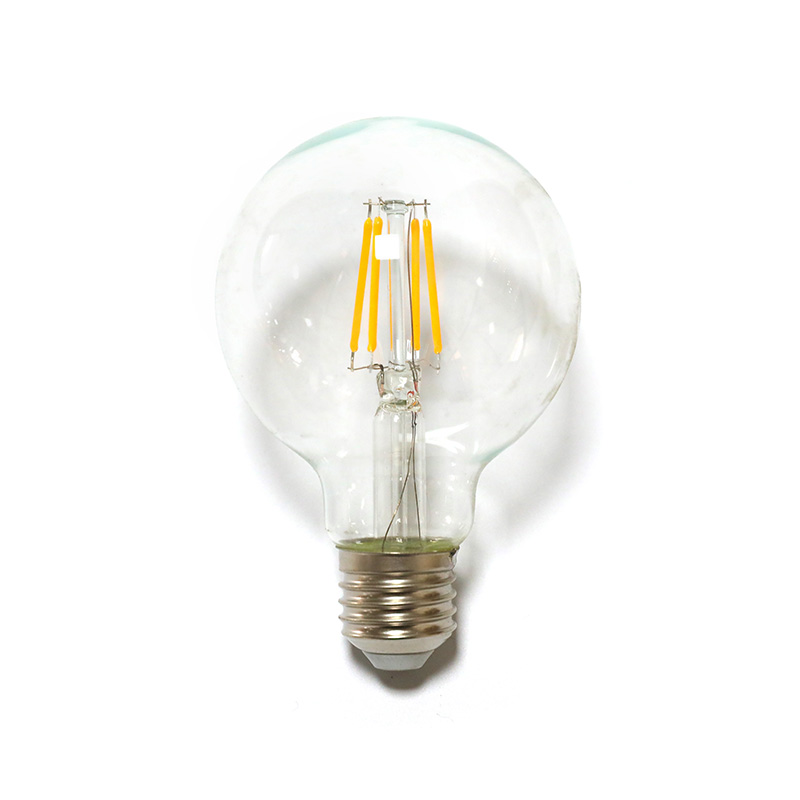
| G80 | 80 mm | Statement globe with wide light spread | Pendant clusters, open shades |
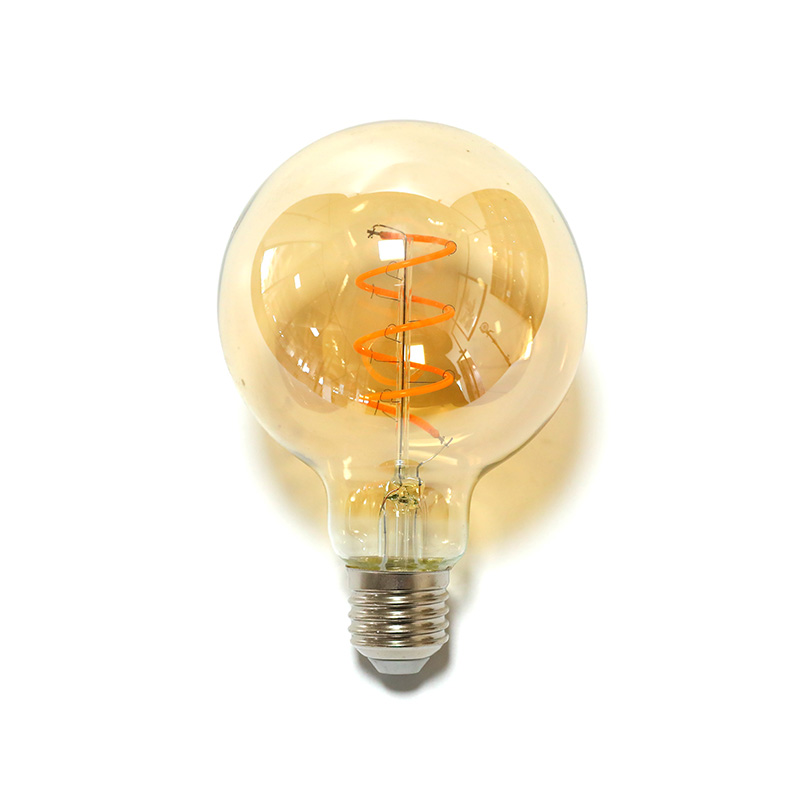
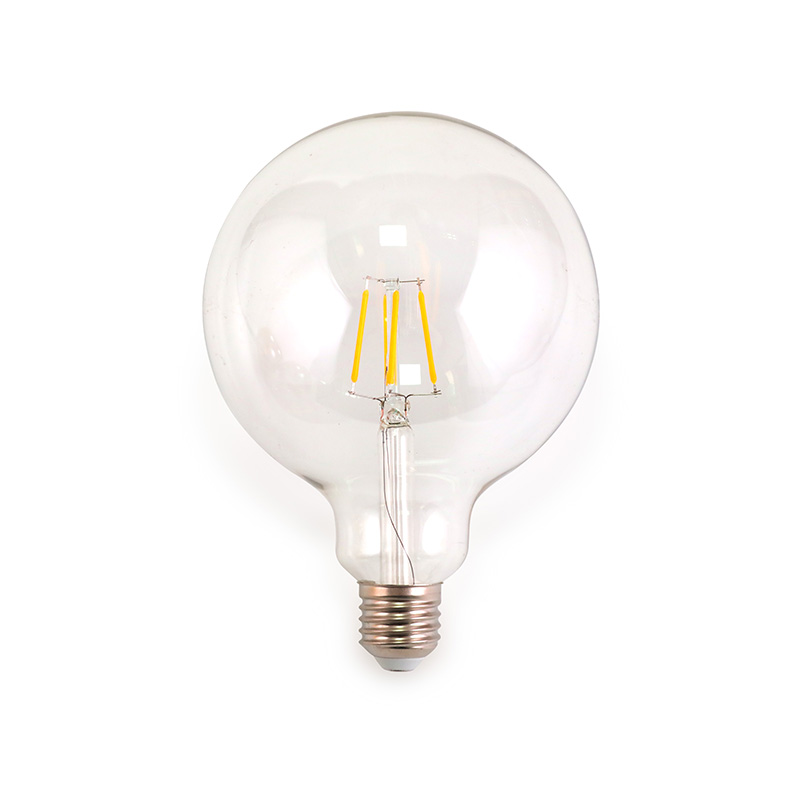
| G95 / G125 | 95–125 mm | Oversized retro sphere | Single drop pendants, bar counter |
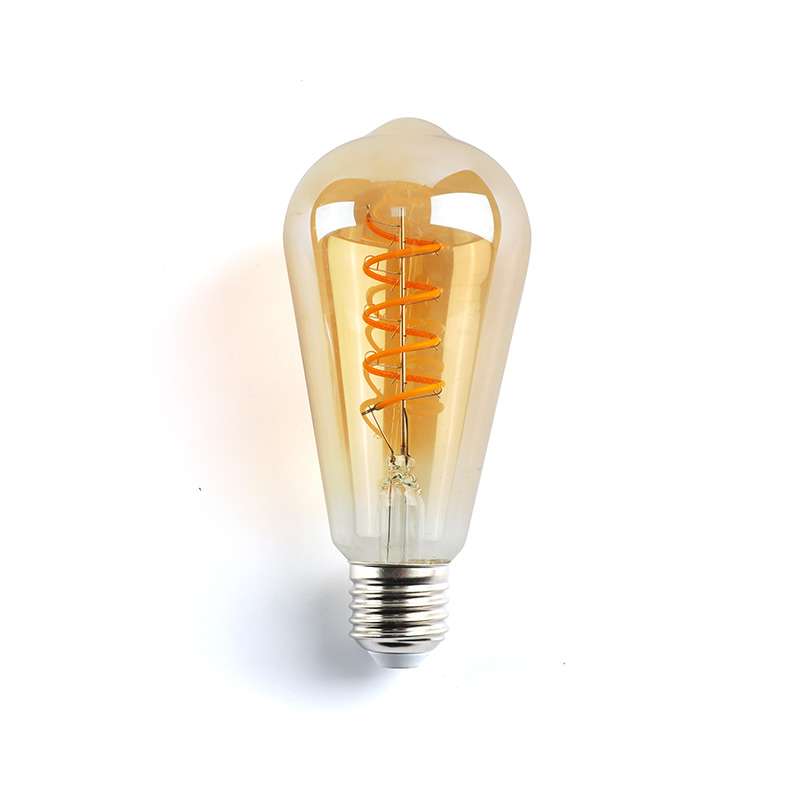
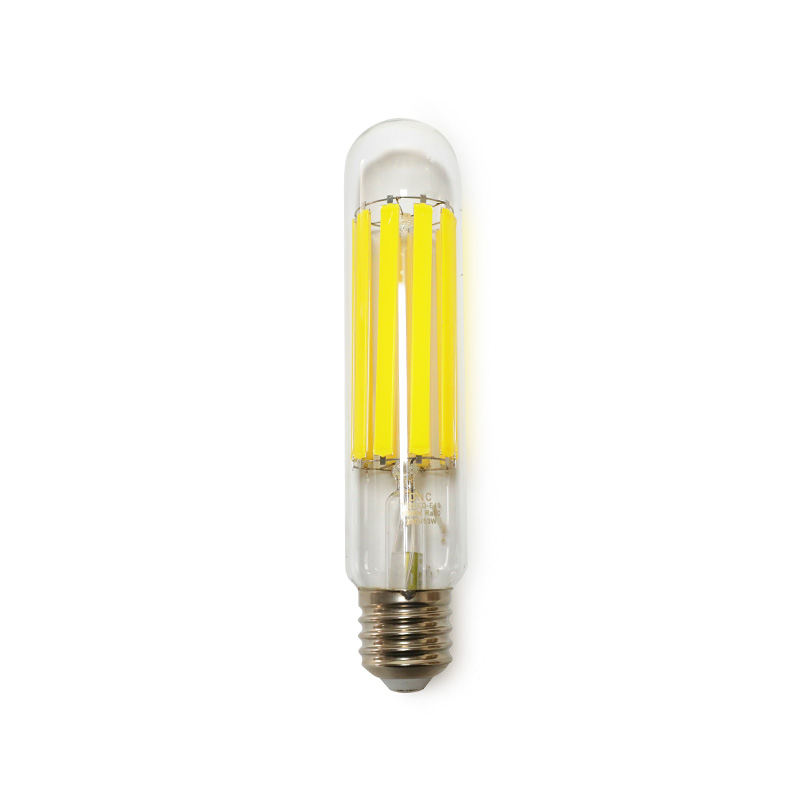
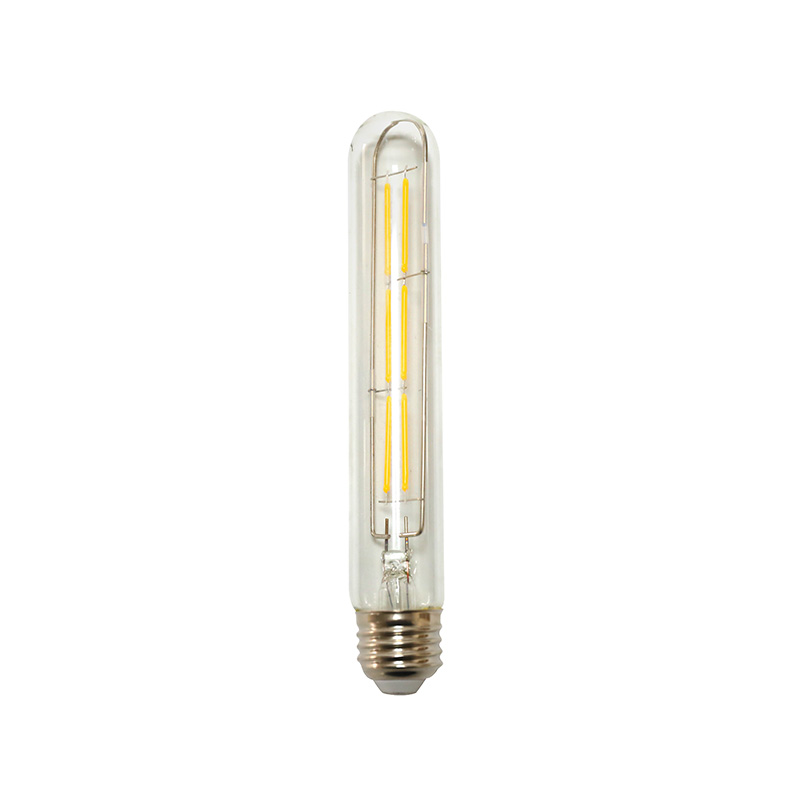
| ST64 | 64 mm | Straight tube with rounded top | Exposed sockets, wall sconces |
| T30 / T45 | 30–45 mm | Long tubular, often with metallic caps | Picture lights, vintage desk lamps |
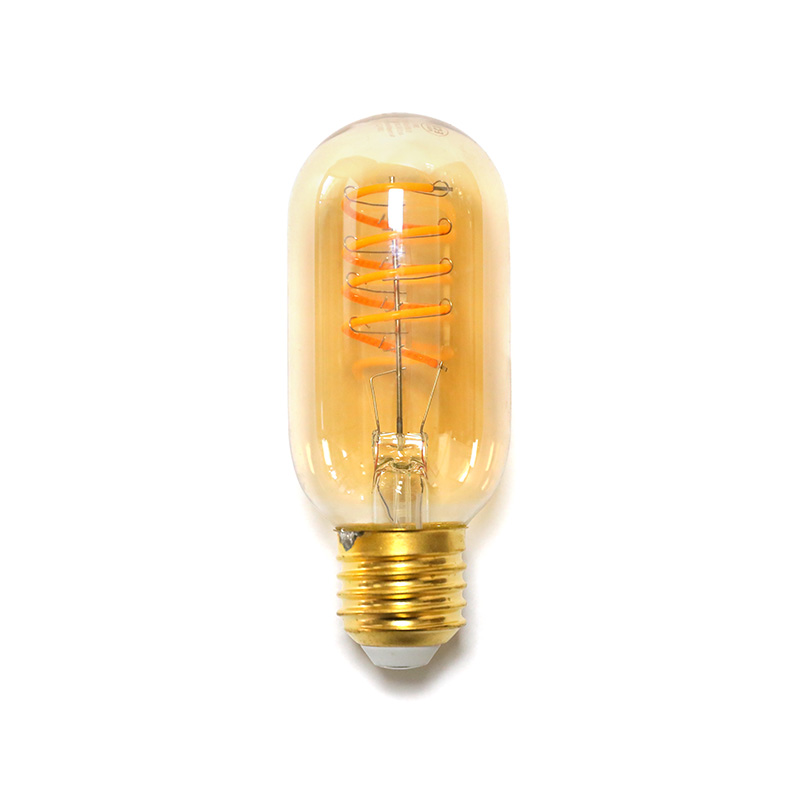
Glass finish further refines the mood. Clear glass puts the filament center-stage — ideal for decorative fixtures where you want the spiral pattern visible even when off. Amber or smoked glass drops the Kelvin feel even further, making a 2700K bulb read like an actual open flame. It’s a trick used heavily in hospitality lighting, and it works equally well over a home dining table. A full breakdown of different shape and glass options appears in our guide to home filament bulb types and uses.
For larger semi-flush ceiling fixtures, an 80 mm G80 flexible-filament bulb fills the shade volume without leaving dark spots, while a slender T30 tube bulb does the opposite — it focuses attention upward in a wall-mounted antique picture light. The shape isn’t just a style decision; it determines whether the fixture looks intentionally lit or just brightly washed out.
The Real Energy Math Behind the Warm Glow
All the vintage warmth in the world won’t matter if the electricity bill feels like you’re heating a Victorian estate. Here’s the direct cost comparison for a bulb running 6 hours a day, 365 days a year at an average rate of $0.13 per kWh.
| Bulb Type | Wattage | Lumens | Annual kWh | Annual Electricity Cost |
|---|---|---|---|---|
| LED Filament | 6 W | 800 lm | 13.14 kWh | $1.71 |
| Incandescent (60W eq.) | 60 W | 800 lm | 131.4 kWh | $17.08 |
| LED Filament (40W eq.) | 4 W | 470 lm | 8.76 kWh | $1.14 |
A single LED filament bulb replacing a 60W incandescent saves more than $15 per year. Multiply that by ten bulbs in an open-dining pendant setup or a row of vanity lights, and the savings cover the cost of the bulbs themselves within the first 18 months. The full energy breakdown with lifespan payback periods puts those numbers into a longer-term perspective, showing why even the most design-conscious homeowners rarely go back to hot wire after making the switch.
Wattage equivalence gets tricky with filament LEDs because the decorative glass can slightly reduce lumen output. Always look for the delivered lumens on the packaging, not just the “equivalent wattage” claim. A 6W filament bulb may output anywhere from 700 to 800 lumens depending on the phosphor quality and glass tint. Amber glass can cut output by 15–20%, so you may need one step up in wattage to reach the same perceived brightness in a tinted envelope.
Color Temperature and the Role of CRI
Filament bulbs live in the 2200K–2700K range, and many homeowners are surprised to learn that 2200K is not a defect — it’s a deliberate choice for hyper-amber ambiance. At 2200K, the glow is indistinguishable from a dimmed candle, perfect for spaces where you want no blue spectrum at all: wine rooms, listening rooms, and bedroom corners. Most general-purpose home filament bulbs land at 2700K, delivering a classic incandescent warmth that flatters wood tones, brass finishes, and warm wall colors.
CRI (Color Rendering Index) stays consistently high across quality filament LEDs. A CRI of 90 or above means reds, oranges, and skin tones render accurately, without the grey wash that plagued early LEDs. That precision matters most in dining areas, where food appearance and facial tones dominate the visual experience. When comparing bulbs, a 90+ CRI spec should be non-negotiable for any fixture where the bulb is exposed or the light falls directly on people.
Placing Filament Bulbs Where They Work Hardest
Filament light bulbs command attention. They thrive in fixtures where the bulb itself is visible — no shade, no diffuser. The strongest visual payoff comes in these spots:
- Cluster pendants over a kitchen island, where each G40 or G80 globe hangs at eye level.
- Wall sconces in a hallway, using ST64 tubes to create a rhythm of warm pools on the wall.
- Exposed-socket chandeliers in a dining room, with clear glass G95 bulbs forming a sculptural centrepiece.
- Bathroom vanity bars if you choose a frosted or lightly tinted globe to reduce glare while keeping the filament pattern visible.
- Accent lamps on sideboards, where a single oversized G125 instantly anchors the decor.
Not every fixture is a good candidate. Enclosed luminaires that trap heat can shorten the driver lifespan, even though the LED itself runs cool. Check the manufacturer’s rating for enclosed fixtures. For recessed cans, a standard A19 filament bulb may not direct enough light downward; a reflector-shaped LED with a filament-style appearance would be a better fit, though they are less common.
Buying Priorities That Prevent Buyer’s Remorse
The market is flooded with cheap imitations that flicker, buzz on dimmers, and shift color after 500 hours. A disciplined checklist cuts through the noise.
Base Compatibility
E26 (standard medium screw) covers almost all North American residential sockets. E12 candelabra bases appear in chandeliers and some wall sconces. Verify the base before ordering — some decorative vintage fixtures intentionally use E14 or E27 in imported designs, requiring an adapter.
Dimmability
Not every filament LED states clearly that it works with trailing-edge dimmers. Look for a “dimmable” marking and a listed dimmer compatibility range. Even dimmable bulbs can exhibit low-end flicker on older rotary dimmers. A short test with your actual switch before buying dozens of bulbs avoids hours of troubleshooting.
Lumens, Not Wattage
Base your choice on the lumen count. For a 60W-equivalent ambiance, aim for 750–850 lumens. For accent lighting in small spaces, 400–500 lumens keeps the glow intimate without glare. Over-lighting a dining table with 1600 lumens of filament bulb might look good in photos but feels harsh in person.
Glass Durability and Seal Quality
Examine the seal where the glass meets the base. A poorly bonded envelope can let in humidity, leading to internal condensation and premature failure. The difference between a bulb that lasts 15,000 hours and one that fails at 2,000 often comes down to that one seemingly minor detail.
Separating Myths From Measured Performance
Several assumptions about filament bulbs persist despite solid contrary evidence.
“LED filament bulbs don’t last as long as standard LEDs.” In reality, many carry a 15,000- to 25,000-hour rating, matching or exceeding the typical non-filament LED bulb in residential use. The fragile appearance of the glass stem creates a false impression of short life, but the internal components are sealed and solid-state, just like any other LED.
“They all buzz on dimmers.” Buzz originates from the driver, not the filament itself. Higher-quality bulbs use constant-current drivers with adequate filtering; pairing them with a compatible dimmer eliminates audible noise. If you hear buzzing, swap the dimmer before replacing the bulb.
“Amber glass means lower efficiency.” Efficiency measured as lumens per watt does drop with tinted glass, but the visual comfort gained often outweighs the small lumen penalty. In a bedroom or lounge, that tint may let you use a lower overall lumen count because the light feels richer, reducing actual wattage consumed.
Home filament light bulbs have moved far beyond being a novelty item. The right shape, glass finish, and proper lumen matching turn an ordinary room into a layered, atmospheric space — and the math on energy cost leaves no argument for staying with hot wire. Whether you’re switching a single reading lamp or planning an entire home’s decorative lighting, the decision framework stays the same: match the bulb shape to the fixture’s role, verify dimmer compatibility, and always buy by lumens rather than wishful wattage equivalence.