 English
 русский
Content
A traditional incandescent filament bulb converts roughly 90% of its energy into heat, while a modern filament LED uses up to 90% less electricity for the exact same brightness. If you love the exposed filament look but fear high energy bills, the solution is a filament LED bulb—a device that fuses early 20th-century aesthetics with 21st-century semiconductor physics.
The Physics Behind the Glowing Wire
A home filament light bulb operates on the principle of incandescence. Electricity passes through a thin tungsten wire, heating it to around 2,700 degrees Celsius. At this extreme temperature, the metal enters a white-hot state and radiates a warm, continuous spectrum of light. This thermal event happens inside a sealed glass envelope filled with an inert gas, usually argon or krypton, which slows down the evaporation of the filament.
The color temperature of a standard vacuum or gas-filled incandescent bulb typically falls between 2,500K and 2,800K. This range produces a yellowish warmth that closely mimics the setting sun, which explains why these bulbs feel so comfortable in evening settings. The quality of light here is measured by the Color Rendering Index. Incandescent filaments score a perfect 100 CRI, meaning they reveal the true colors of skin tones, wood grain, and fabric with absolute fidelity.
Why the Glass Shape Matters
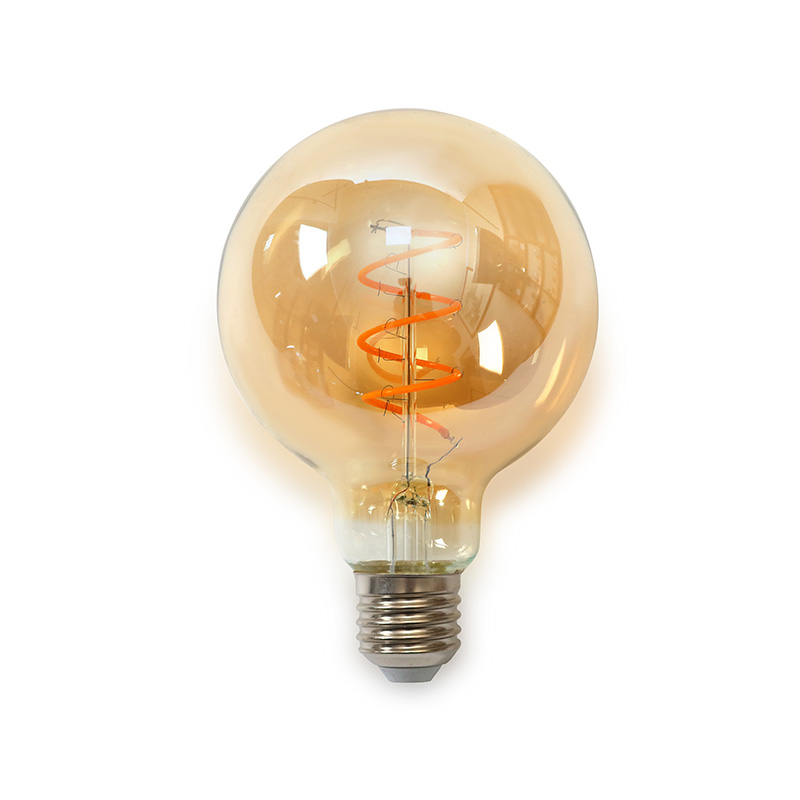
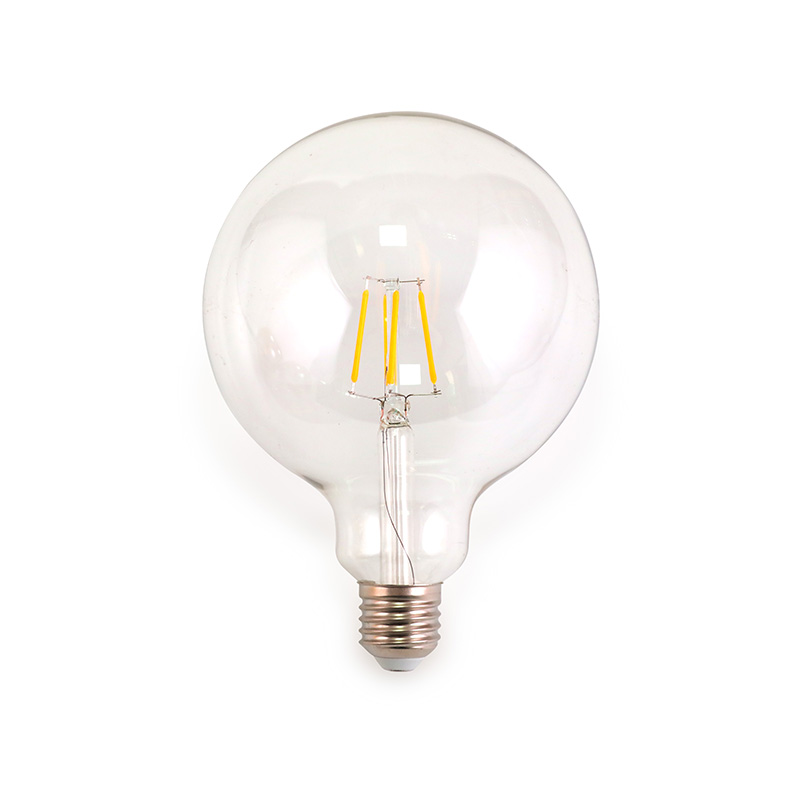
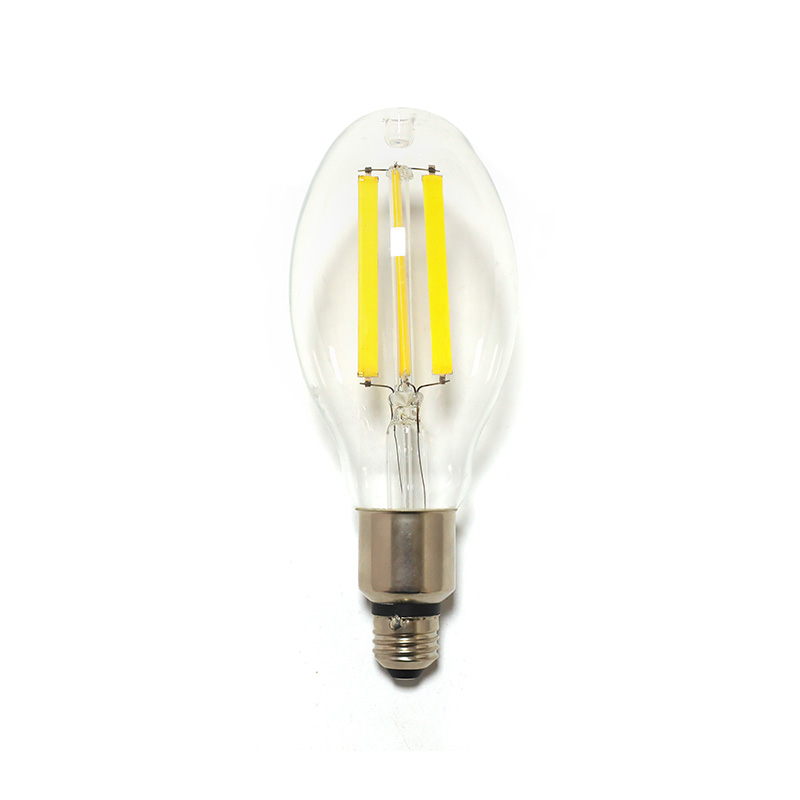
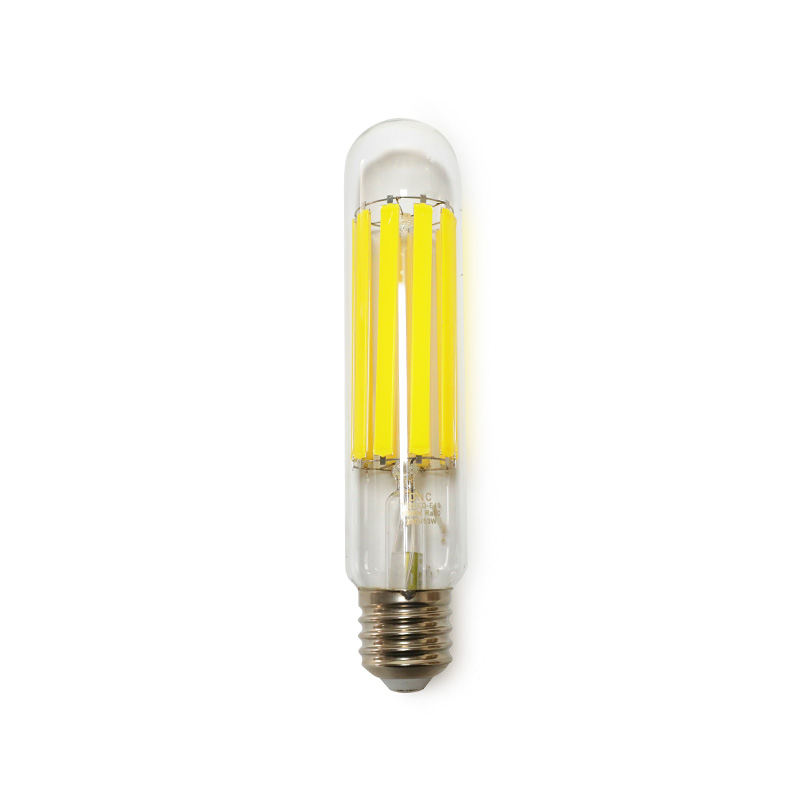
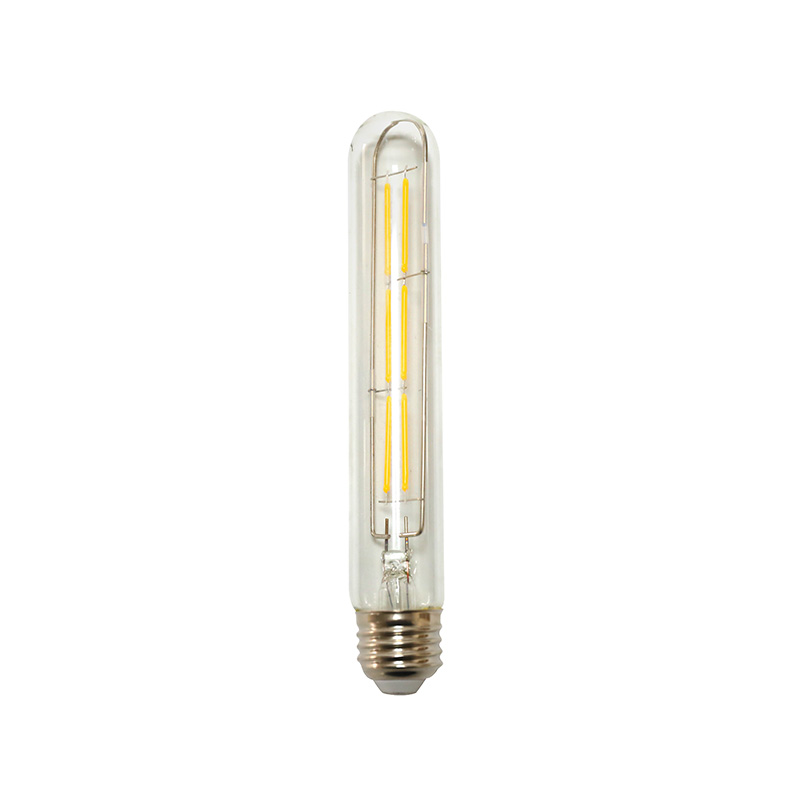
The shape of the glass envelope is not just a decorative choice. The classic A19 shape allows heat to dissipate evenly, preventing hotspots that would shatter the glass. Larger globe shapes, like the G40, require more internal gas volume to manage thermal pressure, while tubular designs concentrate dust accumulation on the top arc. When choosing a location for a bare bulb in a pendant fixture, the bulb’s envelope size directly dictates how heat disperses into the lampshade or open air.
Decoding the True Cost of a Vintage Glow
The first buying decision with exposed filament bulbs is a trade-off between authenticity and sustainability. A classic 60W incandescent ST64 filament bulb has a lifespan of approximately 1,000 hours. Left on for three hours daily, it dies within a year. It also consumes 60 kilowatt-hours in that period. A filament LED copy with a 4W draw lasts 15,000 hours and devours only 4 kilowatt-hours in the same timeframe.
| Type | Wattage | Annual Energy Cost | Replacement Frequency |
|---|---|---|---|
| Incandescent Filament | 60W | $9.20 | Every 0.9 years |
| Filament LED | 4W | $0.61 | Every 13.7 years |
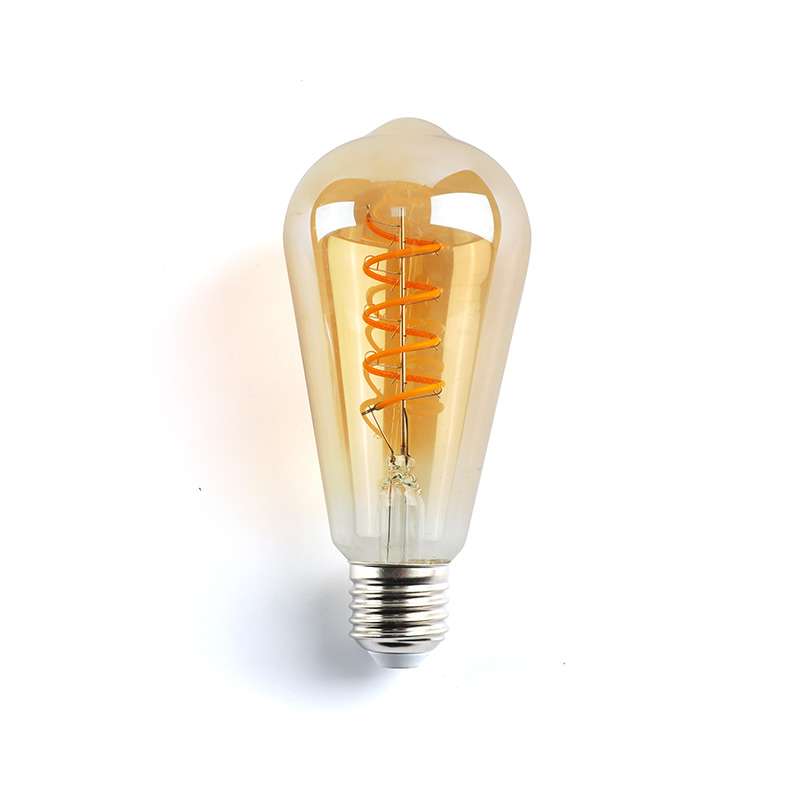
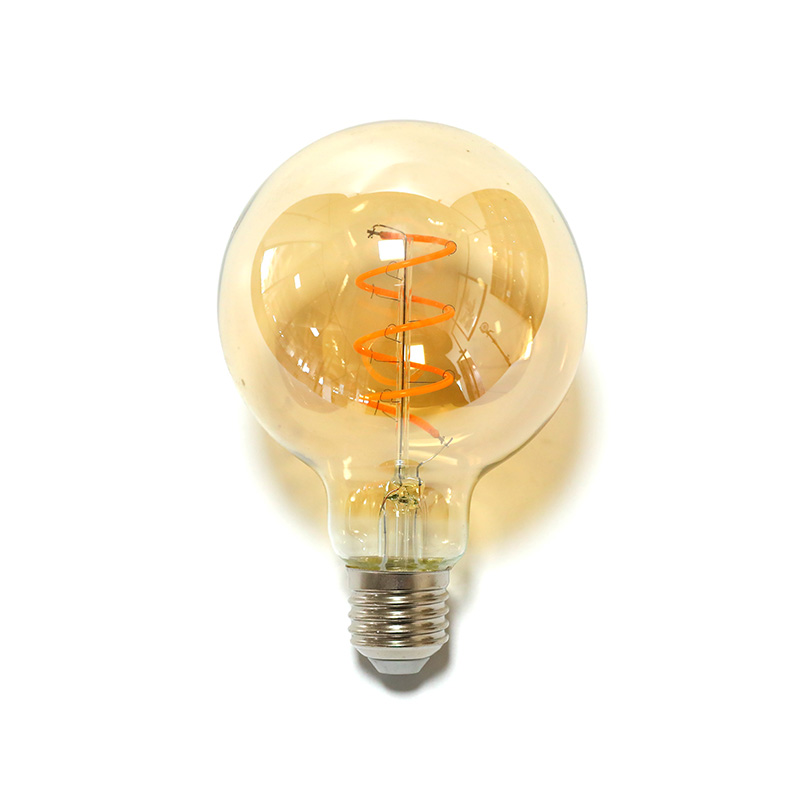
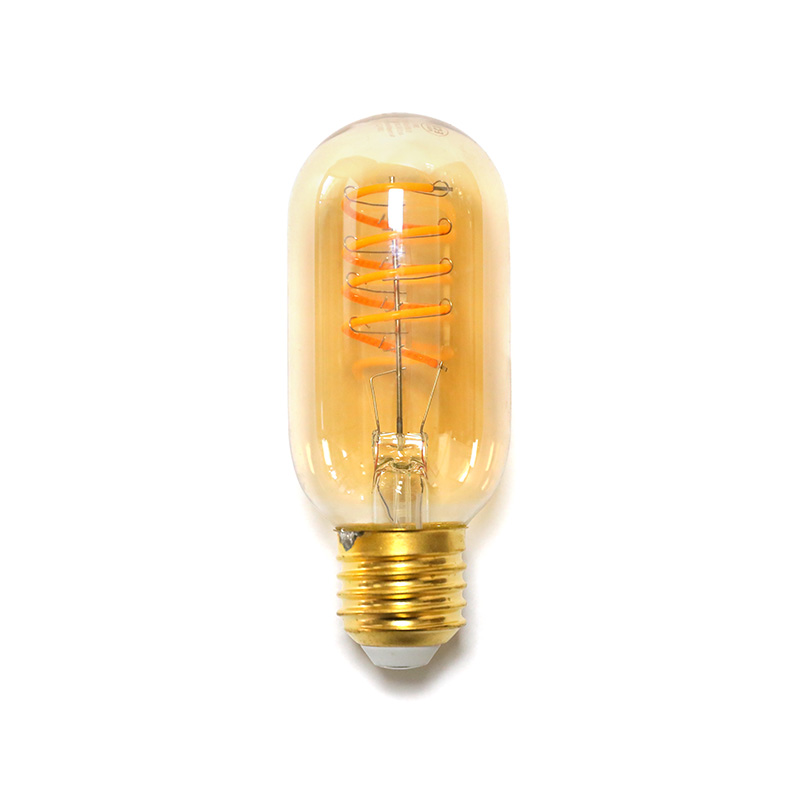
The visual trick of the LED variant lies in its current regulation. A driver chip pulses precise electricity through a series of tiny light-emitting diodes arranged on a glass substrate, mimicking the zigzag path of a tungsten wire. To soften the glare, manufacturers coat the glass with a phosphor film or tint the envelope amber. The result is a visible line of light that emits a warm 2,400K glow without the massive thermal waste. The outer glass envelope stays cool enough to touch unscrewed, which makes these safer around children and textured fabric shades.
Choosing the Right Dimmer Compatibility
The electrical flicker often seen in home filament lighting stems from a mismatch between the bulb circuit and the wall dimmer switch. Incandescent bulbs are purely resistive loads; they simply dim when voltage drops. Filament LEDs contain capacitors and inductors that can confuse older leading-edge dimmers, causing a persistent buzzing or a shimmer effect.
Check the packaging for a clear "dimmable" mark. Even then, pairing a low-wattage filament LED with a dimmer rated for a 150W minimum load may cause the light to stay on even when the switch is off. To resolve this, target a trailing-edge dimmer module rated down to 0W or 10W. The dimming range differs too. A classic incandescent filament can dim smoothly down to zero, while a dimmable filament LED usually cuts off around 5% to 10% of its maximum brightness.
Placement and Visual Balance in Rooms
A bare filament bulb emits a raw point of light that creates sharp shadows. While a frosted bulb scatters illumination across a room, a transparent glass bulb acts like a miniature floodlight, projecting any internal structure onto the ceiling. This effect can be leveraged deliberately over a dining table, where the radiating lines of the filament reflect upward and outline the fixture’s canopy.
The optimal hanging height for a pendant with an exposed filament is 30 to 36 inches above a tabletop. When viewed at eye level, the direct glare of a clear glass ST64 bulb can exceed 2,000 candelas per square meter, enough to cause squinting. To avoid visual discomfort, use a deep shade that sinks the filament below the rim, or switch to a gently tinted amber glass that cuts blue light transmission. This preserves the shape of the glowing wire while protecting the retina.
Creating Cohesive Warmth with Layering
One filament fixture alone rarely lights an entire room comfortably. The sharp drop-off in brightness creates a cave effect at the edges. Pair a central filament chandelier with hidden dim-to-warm LED strips behind crown molding. This uplifts the room’s ambient level to around 50 lux while the centerpiece bulb provides the decorative highlight. The combination removes harsh ceiling shadows and allows the decorative filaments to serve as aesthetic accents rather than straining to perform as general lighting.
Recognizing Heat Dissipation Limitations
Incandescent filament bulbs rely on extreme heat to produce light, which makes enclosed fixtures a serious fire risk if the wattage rating is ignored. A 40W tubular incandescent inside a small glass dome can trap enough heat to reach 180 degrees Fahrenheit at the socket base. Over time, this degrades the wiring insulation within the fixture, leading to brittle leads and short circuits.
Filament LEDs solve the open-flame risk but introduce a different sensitivity—the internal driver board. The plastic capacitor and semiconductor junction inside the bulb’s base fail permanently if they reach around 85 degrees Celsius. In a completely sealed outdoor fixture under direct summer sun, that threshold is easily exceeded, causing the bulb to flicker and die within weeks. For porch lights or sealed hurricane lanterns, select bulbs explicitly rated for enclosed fixtures and verify the ambient temperature range on the spec sheet, with an upper limit near 60 degrees Celsius.
Maintenance and Long-Term Performance Stability
The longevity of a home filament bulb is often cut short by poor electrical contact. The threaded brass base, known as an Edison screw, becomes an oxidation point. With bare incandescent bulbs, the constant thermal expansion and contraction of the metal socket tab loosens the grip over months. A loose connection creates micro-arcing, which erodes the solder point at the bulb’s base. Simply bending the brass tab upward slightly with the power off restores firm contact.
For filament LEDs, the failure mode shifts toward capacitor burnout. A typical electrolytic capacitor inside the driver is rated for 8,000 to 10,000 hours at maximum temperature. Since it often sits directly above the heat sink in the base, extended usage in ceiling fixtures where heat rises can dry out the capacitor fluid prematurely. The bulb will still turn on but will begin to strobe faintly at 100 to 120 Hz, a sign of rectifier failure invisible to the naked eye but detectable through a smartphone camera rolling shutter. When this flicker becomes noticeable directly, the bulb should be replaced to avoid repetitive eye strain.