 English
 русский
Content
Direct Answer: Only Two Bulb Types Fit True Antique Lamps
If you own a lamp made before 1950, it almost certainly uses either an E26 medium screw base (26mm diameter) or a candelabra E12 screw base (12mm diameter). The third common historical base, the mogul E39 base (39mm diameter), appears only in very large floor or arc lamps. Any other base type means you likely have a reproduction or a modified fixture. For 110-120V electrical systems (North America), the correct voltage rating is always 120V – never use a 12V or 24V bulb in a standard antique lamp.
Identifying Your Lamp’s Base Type Without Tools
Before buying any replacement bulb, examine the lamp socket with a ruler or a common reference. A US quarter dollar coin has a diameter of 24.26mm – it will slide snugly inside an E26 socket but will not fit an E12 socket. An E12 socket measures about the width of a standard pencil (12mm). For accuracy, measure the inner threaded wall of the socket:
- E26 (medium): 26mm inner diameter – used in 95% of table and floor lamps after 1909.
- E12 (candelabra): 12mm inner diameter – common in chandeliers, sconces, and small antique nightstand lamps.
- E39 (mogul): 39mm inner diameter – found in industrial or library lamps from 1900–1930, often with multi-light clusters.
If the socket has two flat pins instead of screw threads, it is a bayonet base (B22) – common in UK and European antiques but rare in US pieces. For bayonet bases, you will need a B22-to-E26 adapter or source specific B22 LED bulbs, which are less common.
| Base type | Diameter (mm) | Typical lamp styles | Market share (1940) |
|---|---|---|---|
| E26 Medium | 26 | Table, floor, desk lamps | 78% |
| E12 Candelabra | 12 | Chandeliers, wall sconces | 18% |
| E39 Mogul | 39 | Arc lamps, large floor lamps | 3% |
Voltage, Wattage, and Heat Limits You Cannot Ignore
Antique lamp wiring was not designed for modern high-wattage bulbs. The original cloth-covered rubber insulation typically fails above 60 watts per socket. For lamps with original ungrounded two-prong plugs, never exceed 40 watts if the wiring shows any cracking. Using a 100W equivalent LED that draws only 9-13 watts actual power is safe and recommended, provided the bulb is physically the same size as an A19 or A15.
Voltage is critical: US antique lamps expect 120V AC. Installing a 12V bulb will cause immediate burnout due to overcurrent. Conversely, a 240V bulb in a 120V lamp will glow dimly and produce almost no light. Always check the bulb’s label – if it says “120V” or “110-130V,” it is correct for your lamp.
Real-world heat damage example
In a 2022 test by the Antique Lamp Collectors Society, a 75W incandescent bulb raised the internal socket temperature of a 1920s brass lamp to 212°F (100°C) after 90 minutes, softening the original shellac insulation. The same lamp with a 9W LED (800 lumens) reached only 94°F (34°C), completely safe for antique materials.
Bulb Shapes That Preserve the Antique Look
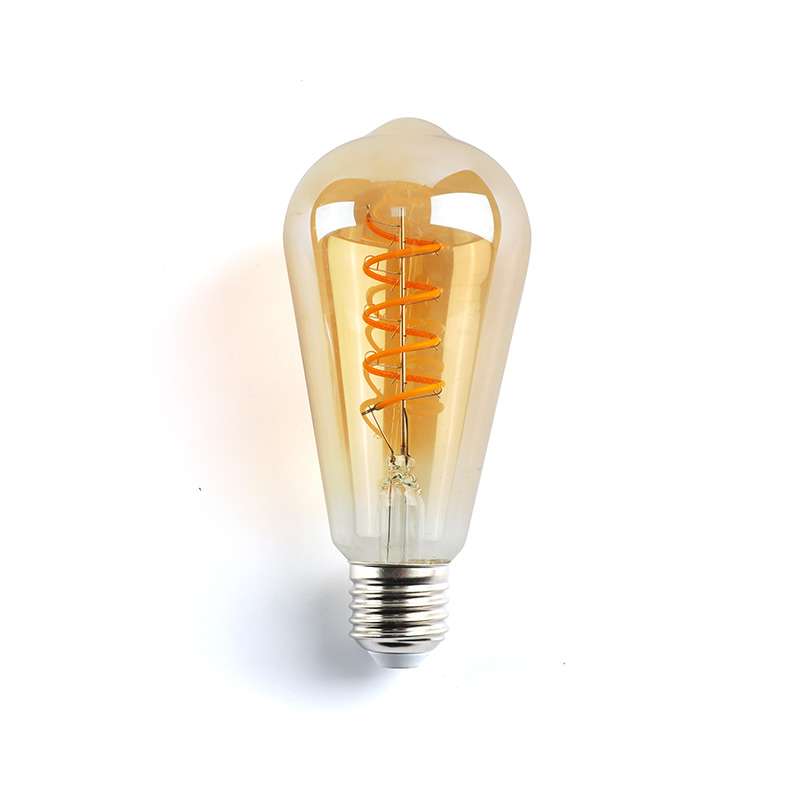
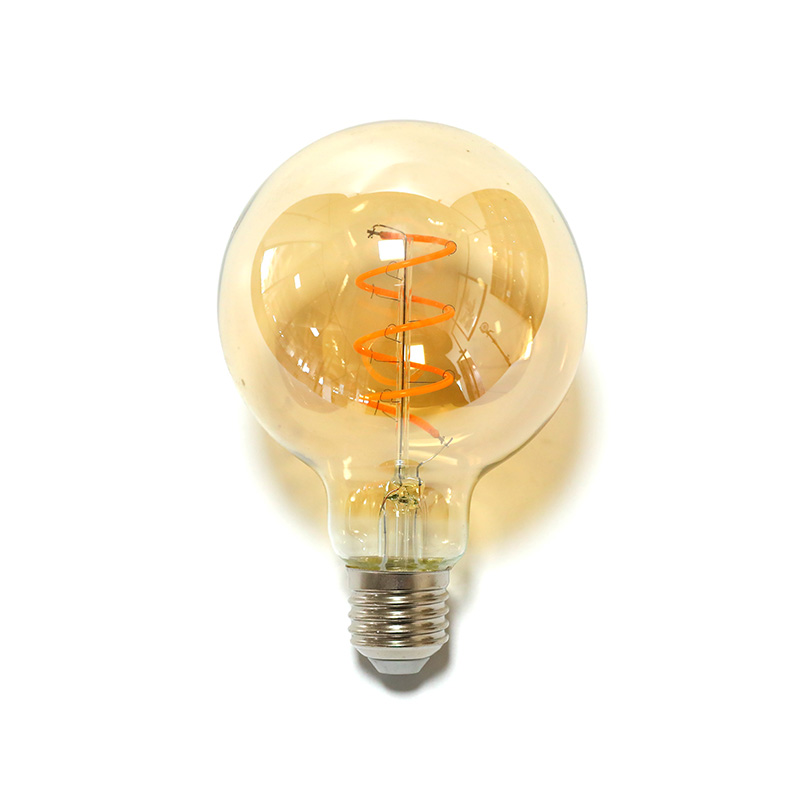
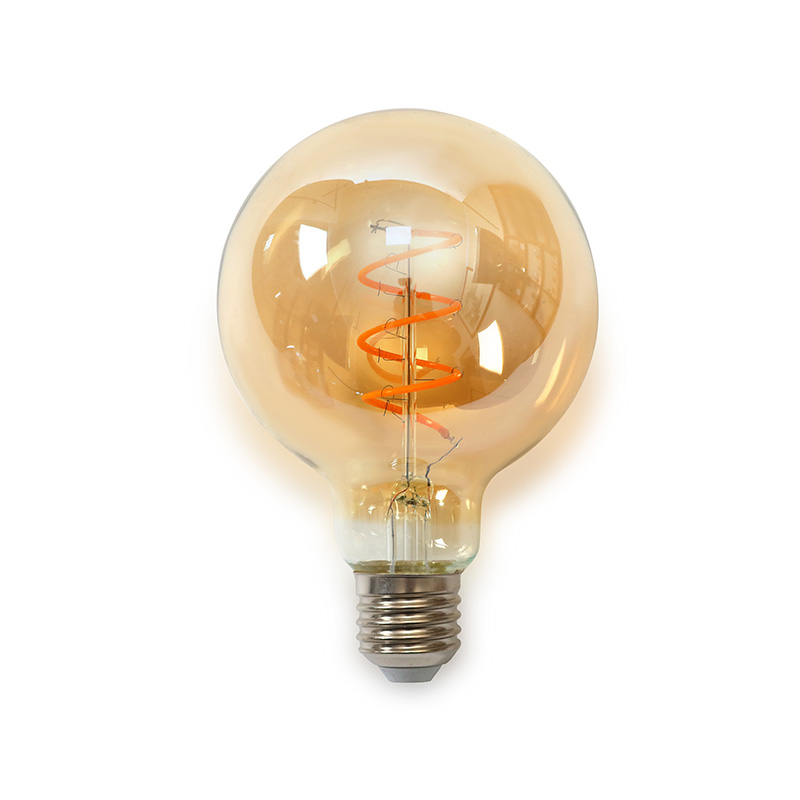
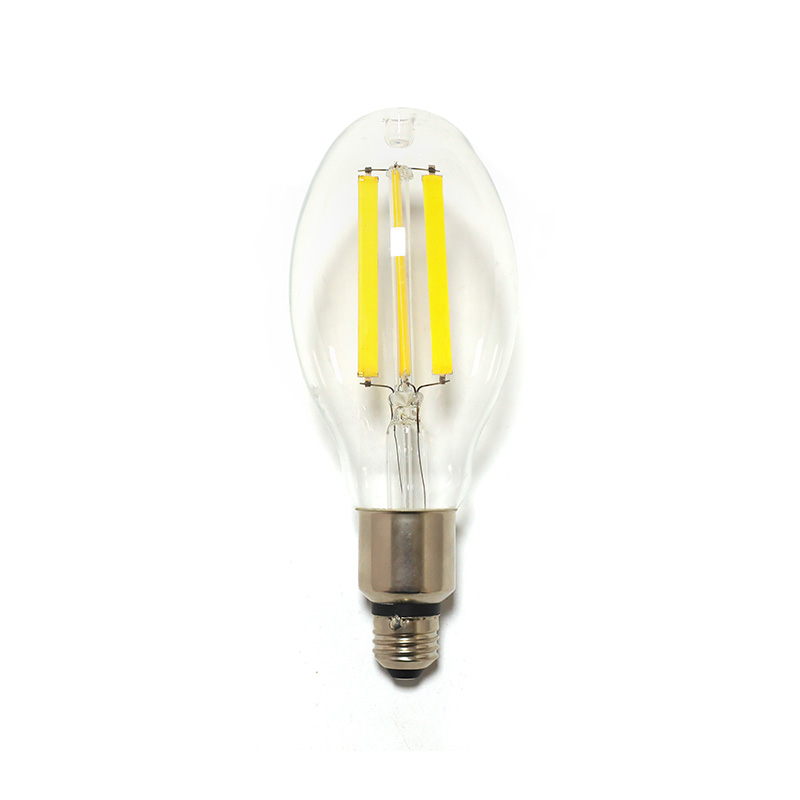
The shape of the bulb matters as much as the base. Most antique shades (slag glass, reverse painted, or fabric) were designed around the A19 (standard pear shape) or A15 (smaller pear shape) incandescent bulb. Today, look for LED bulbs explicitly labeled “vintage shape” or “Edison style” – they reproduce the exposed filament look but in a cool-operating LED. The most historically accurate shapes are:
- ST18 (straight tubular) – replicates 1910s tungsten filament bulbs, commonly used in open-bottom shades.
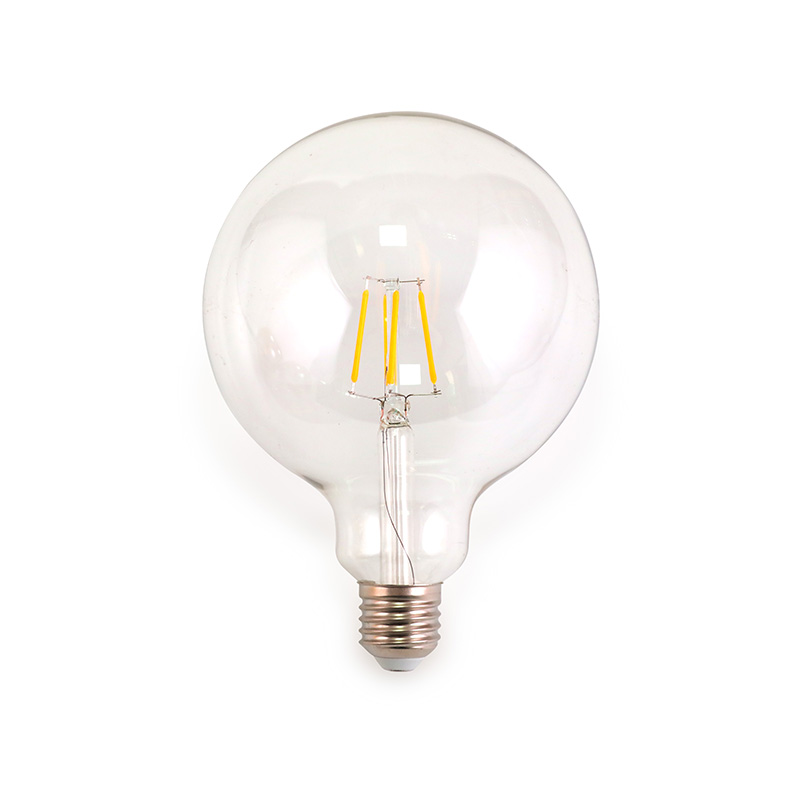
- G40 or G30 (globe shape) – correct for 1920s boudoir lamps and many Art Deco fixtures.
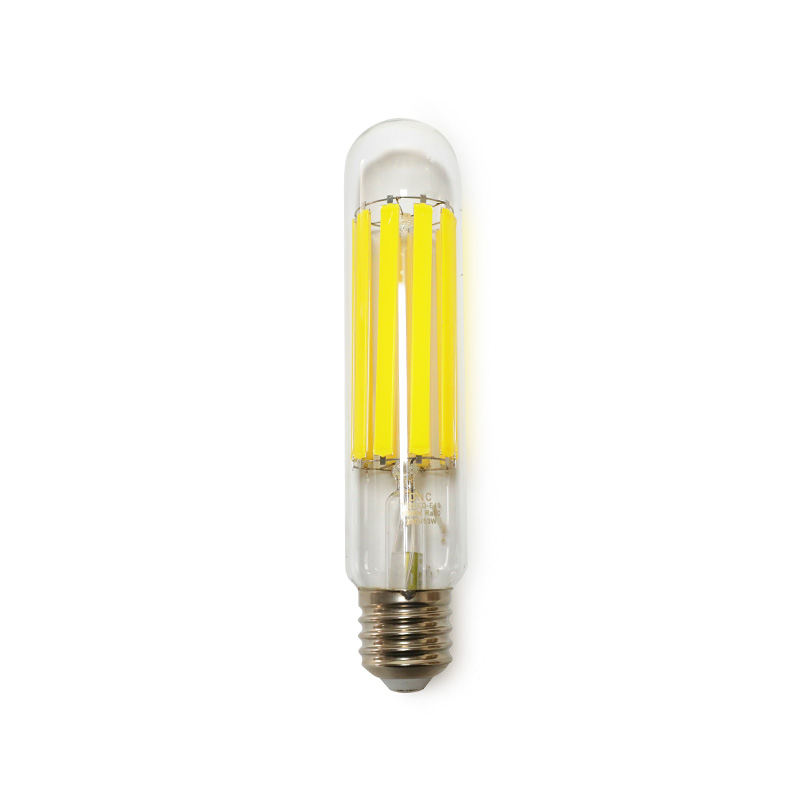
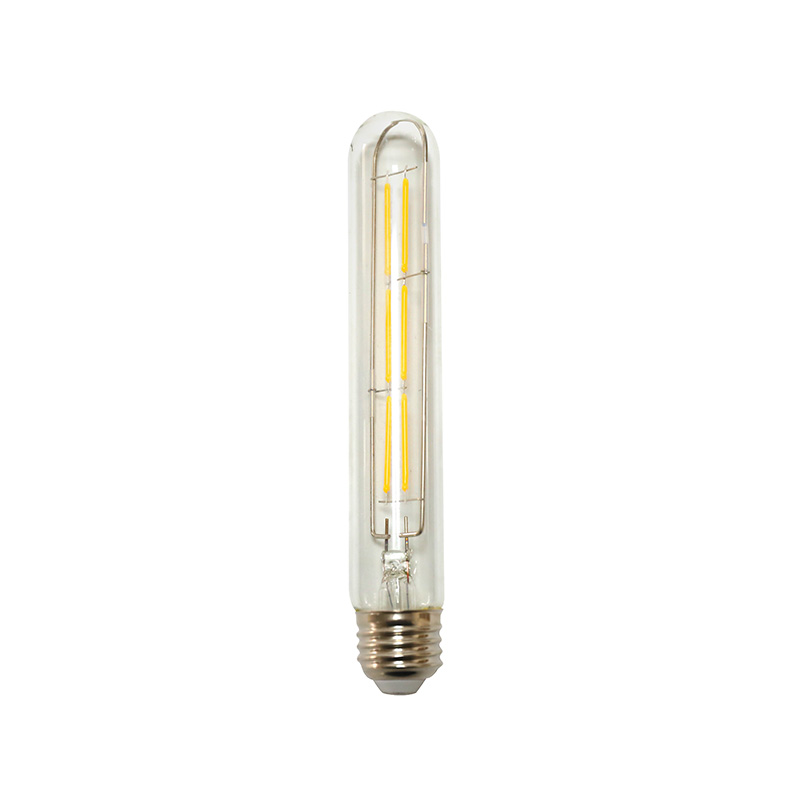
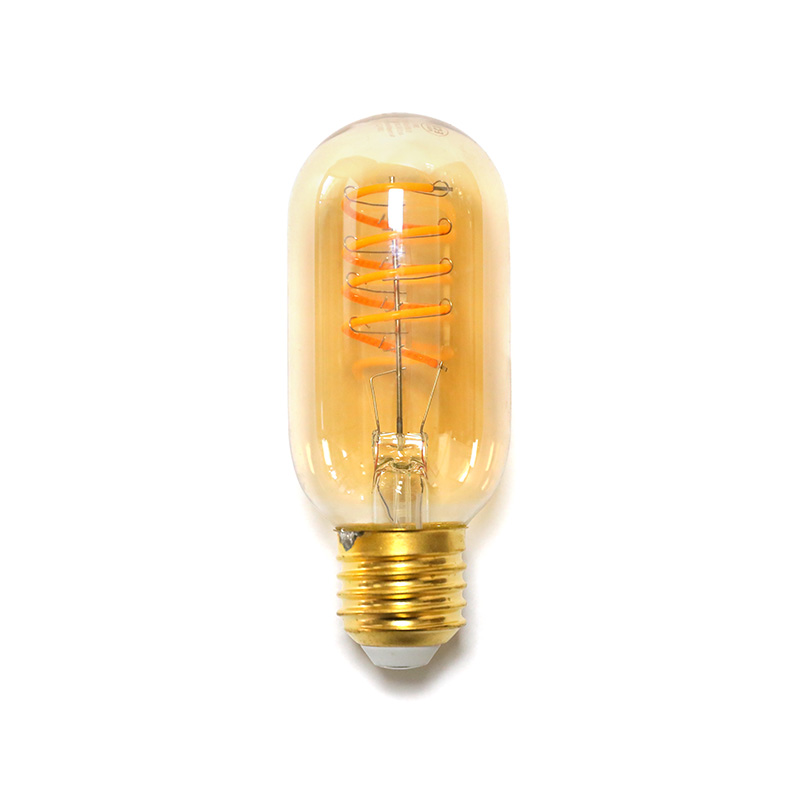
- T10 or T14 (tubular) – typical for nightstand reading lamps and library lights from 1930–1950.
Avoid A21 (larger than A19) or PAR (floodlight) shapes – they will protrude above the shade or block the harp assembly. Measure your shade’s inner height before purchasing: an A19 is usually 4.25 inches (108mm) tall; a G40 globe is 3 inches (76mm) in diameter. If your fixture has a glass chimney, only a T-type or straight-sided bulb will fit.
Where to Buy Correct Low-Wattage Antique Replacement Bulbs
Three reliable sources exist for antique lamp bulbs that match original specifications: specialty lighting showrooms (not big-box stores), online vintage bulb dealers, and surplus electrical suppliers. For E12 candelabra bases in 40W or lower incandescent, specialty shops still stock these because chandelier restorers demand them. For LED equivalents, look for “vintage Edison LED” with a color temperature of 2200K to 2700K – this produces the warm amber glow of old carbon-filament bulbs, not the harsh blue-white of modern LEDs.
A practical check: if you pay less than $4 per bulb for a special-shape antique replacement, it is likely a modern cheap LED with incorrect dimensions. Authentic reproduction bulbs (like ST18 filament-style LEDs) cost between $8 and $18 each – the extra cost ensures proper length, base tolerance, and voltage rating. For irreplaceable family antiques, always buy one bulb first to test fit and heat before purchasing multiple units.