 English
 русский
Content
- 1 Finding the Perfect Antique Lamp Bulbs: A Complete Guide to Types, Shapes, and Modern Upgrades
- 2 Understanding Your Options: LED, Halogen, and Incandescent
- 3 Why LED Antique Lamp Bulbs are the Best Choice for Your Home
- 4 Choosing the Right Shape and Style for Your Lamp
- 5 Match the Bulb Base Before You Buy
- 6 Conclusion: Light Up Your Décor with Modern Nostalgia
Finding the Perfect Antique Lamp Bulbs: A Complete Guide to Types, Shapes, and Modern Upgrades
You’ve just inherited a century-old floor lamp with a chipped brass base and a silk shade too delicate for a hot bulb. Or perhaps you found a pair of industrial pendants at a salvage yard that demand visible filaments. The question is always the same: which antique lamp bulb won’t ruin the look—or the lamp?
The answer today is different from ten years ago. Modern LED technology now delivers the same warm, amber glow and intricate filament patterns that made original carbon and tungsten bulbs so prized, while cutting energy use by up to 90% and eliminating burn risks. This guide breaks down the real differences between incandescent, halogen, and LED filament bulbs, then helps you match the right shape and base to your fixture. By the end, you’ll know exactly what to buy to keep your vintage light authentic without the vintage headaches.
Understanding Your Options: LED, Halogen, and Incandescent
Every antique lamp bulb falls into one of three technology categories. The choice you make affects not only energy bills but also the safety of your shade, the quality of light, and how often you’ll be on a ladder swapping bulbs.
Incandescent: The Original Warmth
Standard incandescent bulbs are what most antique fixtures were designed for. They produce a full-spectrum warm light—typically around 2700K—and the filament glows visibly, which is essential for that vintage look. However, incandescents convert barely 5% of their electricity into light; the rest becomes heat. That heat can scorch fabric shades and crack old sockets over time. Lifespan is also brutally short: often 1,000 hours or less. If you prize absolute historical accuracy over everything else, incandescent delivers it, but at a steep cost in energy and maintenance.
Halogen: A Slightly Brighter Compromise
Halogen bulbs are essentially incandescent bulbs with a halogen gas fill that re-deposits tungsten back onto the filament. This gives them a slightly longer life (around 2,000 hours) and a whiter light. They still run extremely hot—often hotter than standard incandescents—and consume almost as much electricity. For antique lamps with paper, parchment, or silk shades, halogen is a poor choice. It also lacks the gentle, golden hue many vintage fixtures were meant to cast.
LED Filament: The Modern Antique Bulb
LED filament bulbs have transformed the antique lighting market. Inside a clear glass envelope, multiple tiny LED chips are arranged on a narrow strip or in flexible configurations that mimic the look of vintage squirrel-cage, spiral, or hairpin filaments. The result is a bulb that appears nearly identical to an original Edison bulb when unlit, and glows with a nearly indistinguishable warmth when switched on. The critical difference: an LED filament bulb rated at 4W can replace a 40W incandescent, running cool enough to touch safely. Lifespan is 15,000 to 25,000 hours—effectively decades of normal use.
Why LED Antique Lamp Bulbs are the Best Choice for Your Home
The aesthetic fear that kept many antique lamp owners away from LEDs—cold, blue light and plastic-looking bulbs—is now obsolete. Premium LED filament bulbs like those from Dingshen Lighting use a color temperature of 2200K to 2700K, the exact same range as traditional incandescents. The glass is fully transparent, and intricate filament designs create a decorative element even when the lamp is off. Compared to incandescent, LED filament bulbs reduce energy consumption by 80–90% and produce negligible heat, making them safe for antique silk, paper, and parchment shades that would otherwise discolor or crack.
Safety extends beyond heat. The lower operating temperature also protects aging sockets and wiring from thermal stress. For restoration projects, this can mean the difference between a working fixture and an electrical hazard. Financially, while the upfront cost of an LED filament bulb is higher than an incandescent, the payback period in a frequently used lamp is often less than six months. Multiply that across several fixtures in a home or commercial space, and the savings become substantial. discover how LED filament light bulbs cut energy costs dramatically in both residential and hospitality settings.
Choosing the Right Shape and Style for Your Lamp
Bulb shape does more than fit inside a shade; it defines how light scatters and what the fixture communicates visually. For antique lamps, the bulb is often a featured design element, not hidden behind a diffuser.
ST64 and ST58: The Classic Edison Silhouette
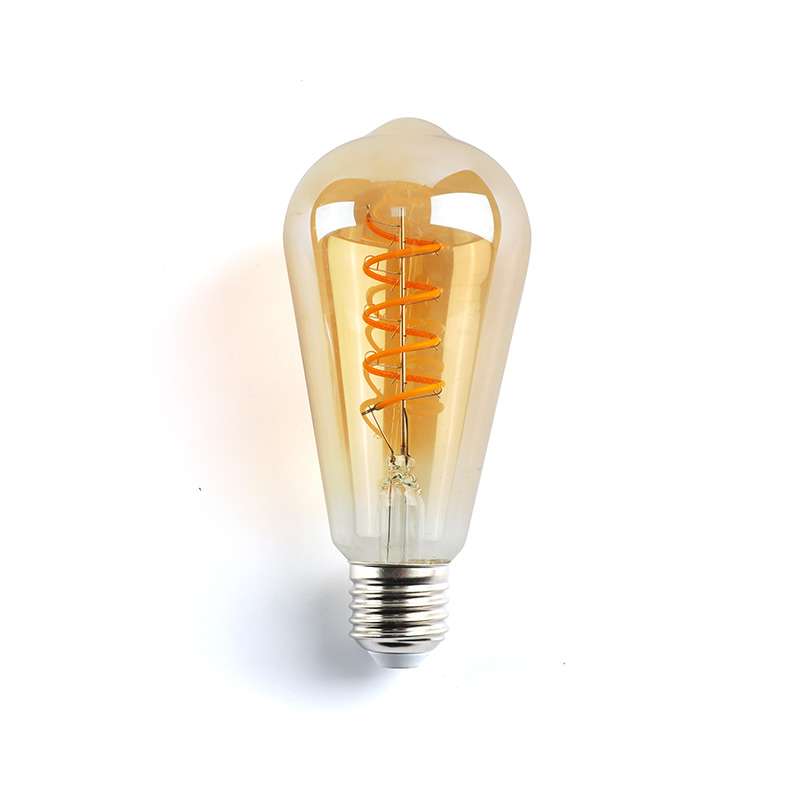
The elongated, slightly tapered ST shape is the quintessential “Edison” bulb. ST64 bulbs (64mm diameter) are particularly popular in exposed-bulb pendants and industrial cage fixtures. Their length and proportions make them the natural choice for wide-open shades, while the large globe area allows elaborate filament patterns to shine. For a turnkey upgrade, ST64 Screw-in Antique Lamp Bulbs deliver the authentic look with modern efficiency.
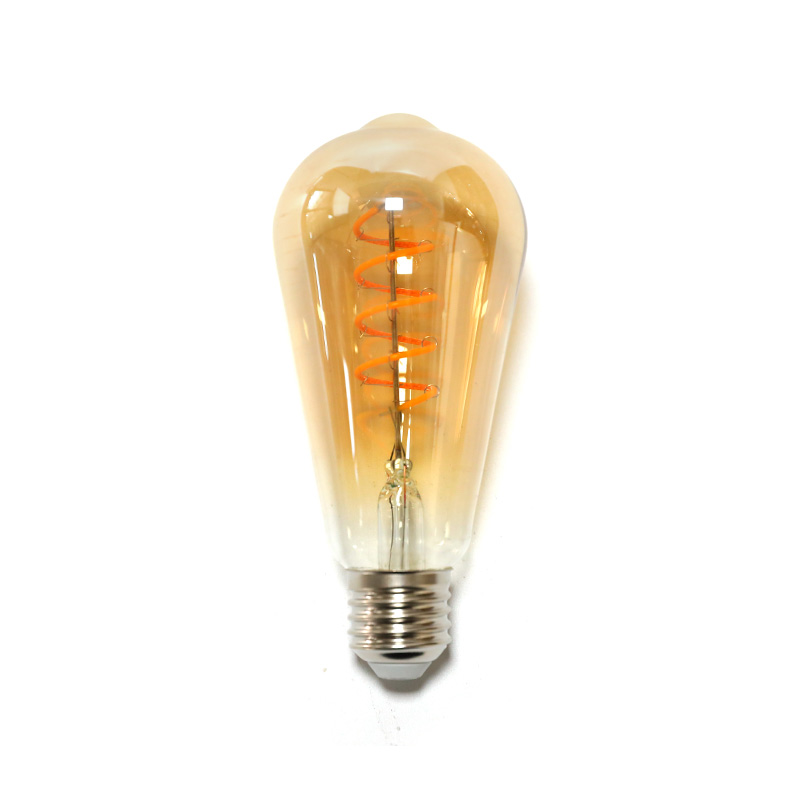 ST64 screw-in antique lamp bulbs Manufacturers, Company - Haining Shencai LightiHaining Shencai Lighting Technology is ST64 screw-in antique lamp bulbs Manufacturers and Company in China, Wholesale ST64 screw-in antiq...View Product →
G80 and G95: Spherical Elegance for Shaded Lamps
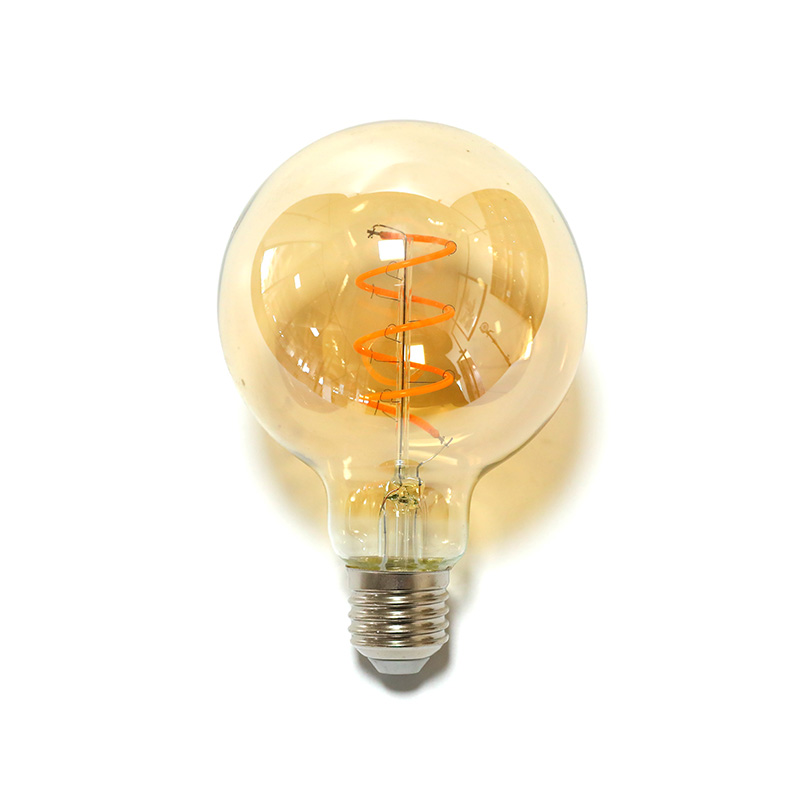
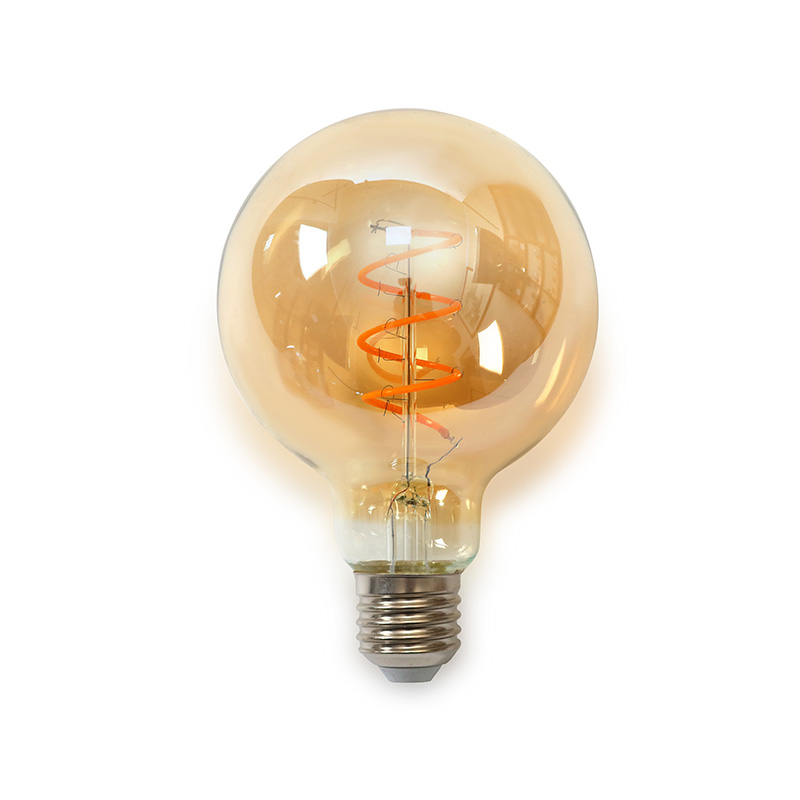
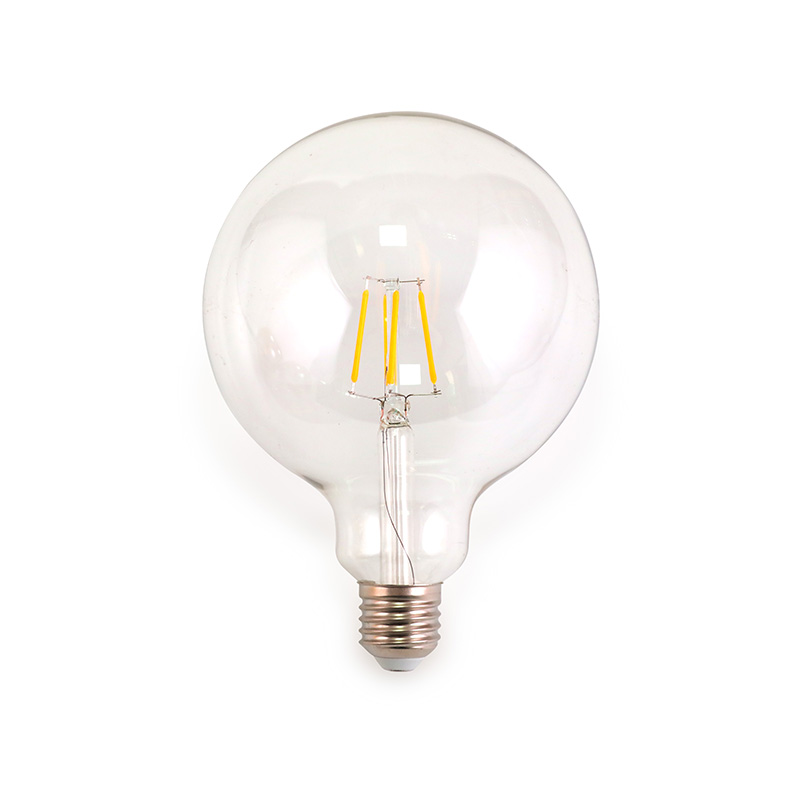
Globe-shaped bulbs (G-series) are ideal for fixtures with bell or empire shades, such as floor lamps and table lamps. Their diameter—80mm or 95mm—sits comfortably within a shade, distributing light evenly onto the surrounding surface. The G95’s larger volume leaves room for artistic filament structures like double-ring or flexible spirals, turning the bulb into a conversation piece even when viewed from below. In dining rooms or reading nooks, these globes create a soft, ambient wash without harsh glare.
T45: Tubular and Industrial
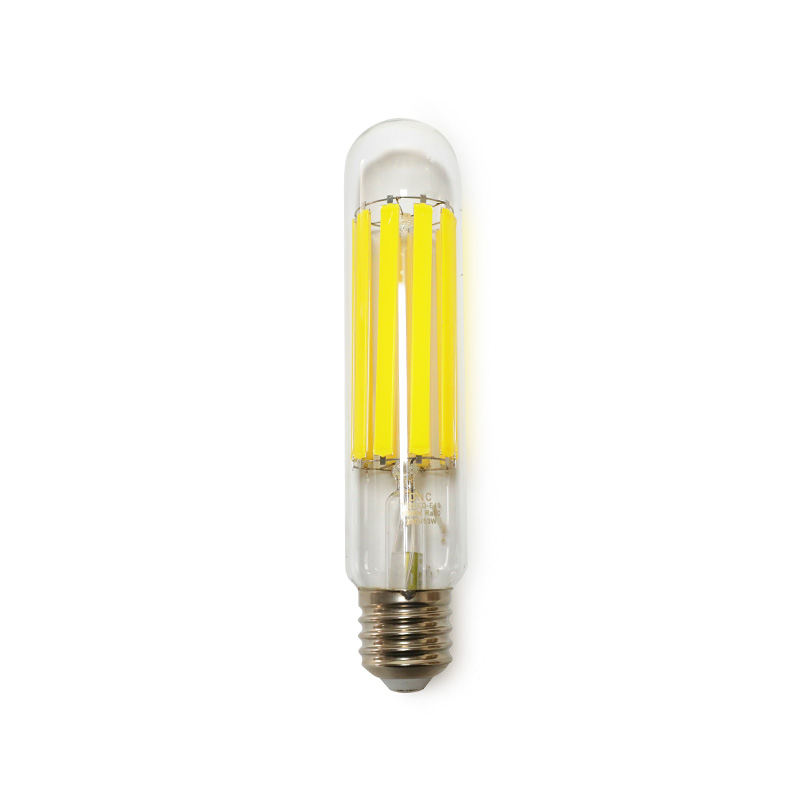
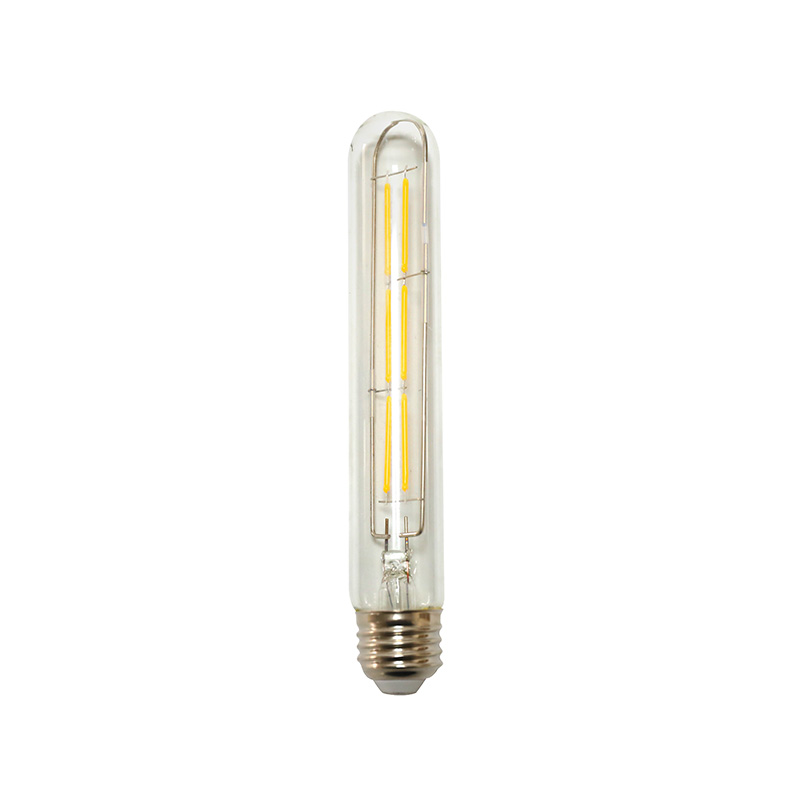
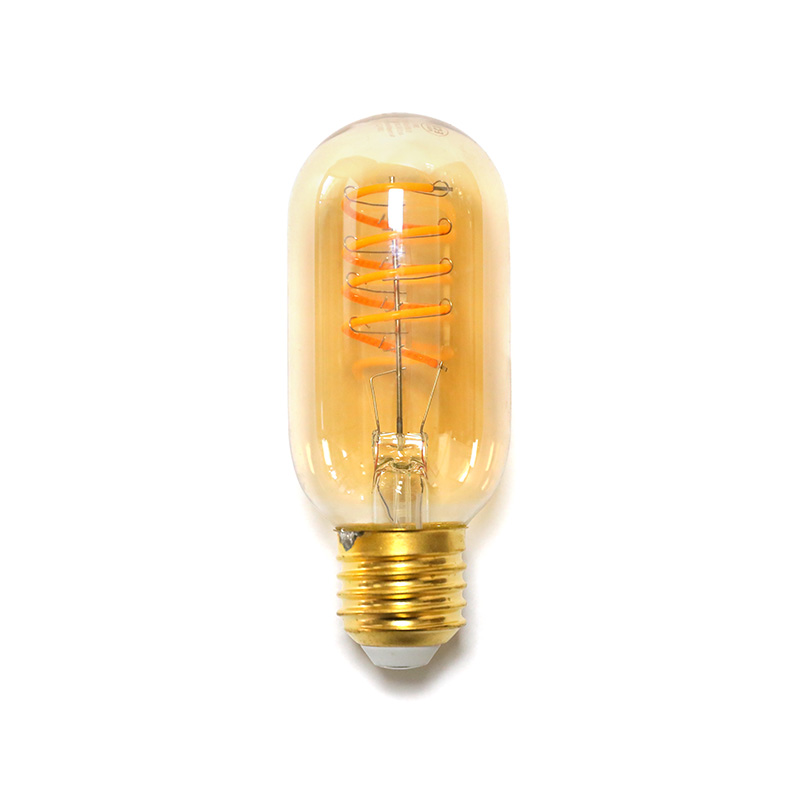
Tubular antique bulbs, including the T45 (45mm diameter, often around 180mm long), fit elongated fixtures such as bar lamps, picture lights, and some deco wall sconces. Their linear form produces a more focused downlight, making them excellent for highlighting artwork or a back-bar. The compact diameter slips into narrow glass tubes and vintage schoolhouse pendants that cannot accommodate a globe. T45 tubular antique lamp bulbs for modern fixtures are also dimmer-friendly, giving you full control over atmosphere.
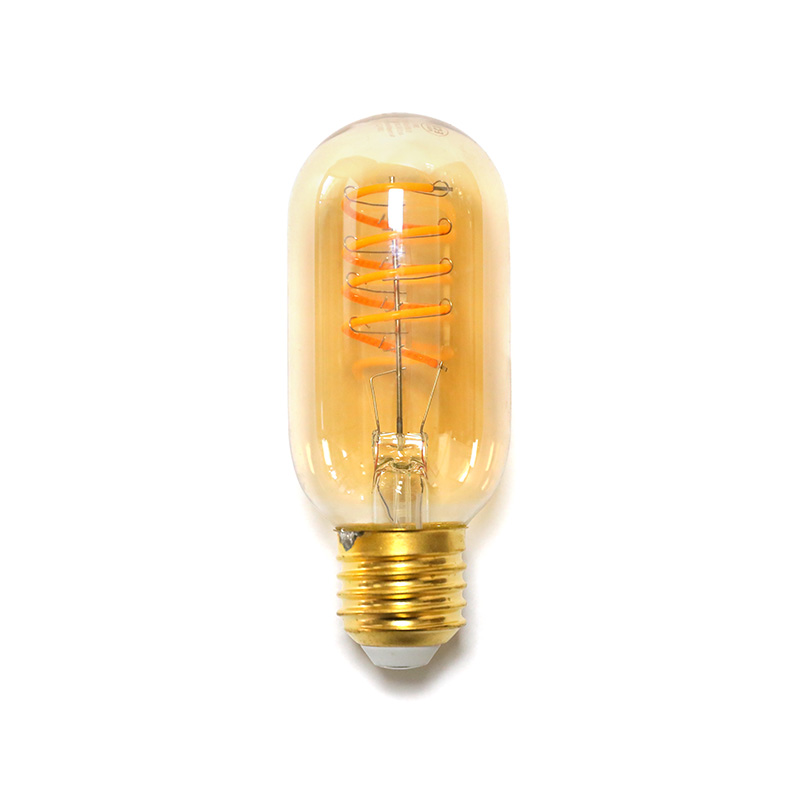 T45 tubular antique lamp bulbs Manufacturers, Company - Haining Shencai LightingHaining Shencai Lighting Technology is T45 tubular antique lamp bulbs Manufacturers and Company in China, Wholesale T45 tubular antique l...View Product →
Match the Bulb Base Before You Buy
Nothing is more frustrating than ordering the perfect antique bulb only to find it won’t screw in. The vast majority of vintage lamps use one of three Edison screw bases. E27 is the standard medium base in 120V countries and fits nearly all household sockets. E14, sometimes called the small Edison screw, appears in chandeliers and smaller decorative lamps. E12, the candelabra base, is found in nightlights, some antique Christmas lighting, and petite boudoir lamps. Always check the existing bulb or the socket itself—the type is usually stamped on the metal shell. If it isn’t, measure the threaded diameter: 27mm, 14mm, or 12mm tells you exactly what you need. learn more about Edison base types and compatibility to avoid ordering errors.
Once you’ve confirmed the base, you can focus on aesthetics. Many of the most striking LED filament bulbs use flexible or multi-ring filaments that add visual depth, and these are available across all common base sizes. Consider the intricate design of G80 flexible filament antique lamp bulbs to add a decorative focal point in chandelier arms or clear-glass wall fixtures.
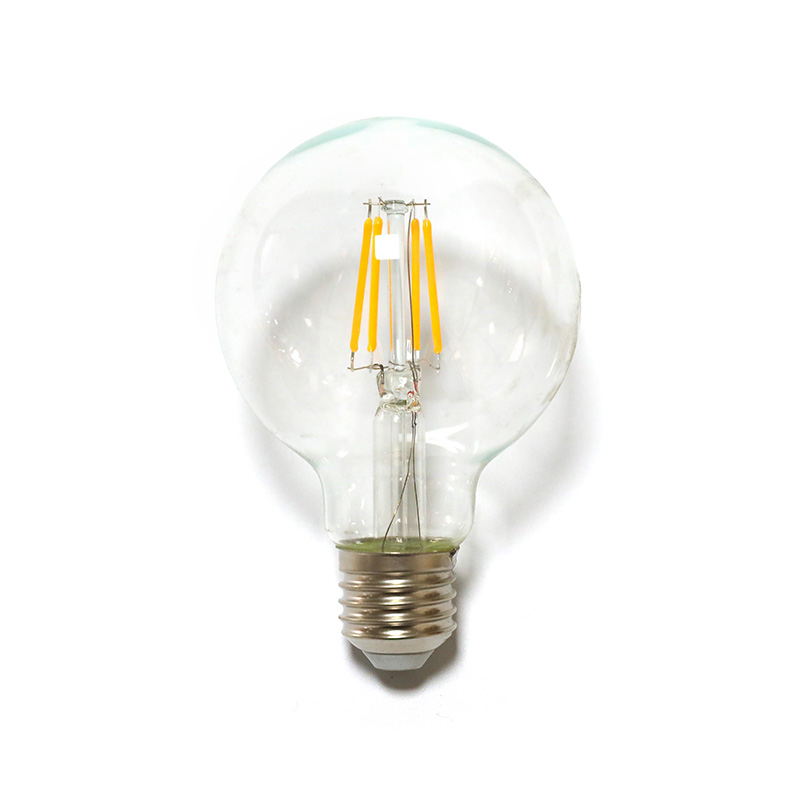 G80 flexible filament antique lamp bulbs Manufacturers, Company - Haining ShencaHaining Shencai Lighting Technology is G80 flexible filament antique lamp bulbs Manufacturers and Company in China, Wholesale G80 flexibl...View Product →
Conclusion: Light Up Your Décor with Modern Nostalgia
Preserving the soul of an antique lamp does not require accepting 1910-era energy bills and fire hazards. LED filament bulbs now reproduce the warm color, visible filament glow, and glass shapes that define vintage lighting, while running cool enough to leave your silk shade flawless after years of use. Whether you need a stately ST64 for an industrial pendant, a globular G95 for a floor lamp, or a slender T45 for a picture light, you can match the original silhouette and exceed the original performance.
Start by identifying your base type and the bulb shape your fixture was designed to showcase. Then choose an LED filament bulb in a 2200K–2700K color temperature to preserve the amber atmosphere that makes antique lighting so inviting. Your lamp will look right, feel right—and work more reliably than it has in decades.