 English
 русский
Content
What Are Edison Light Bulbs?
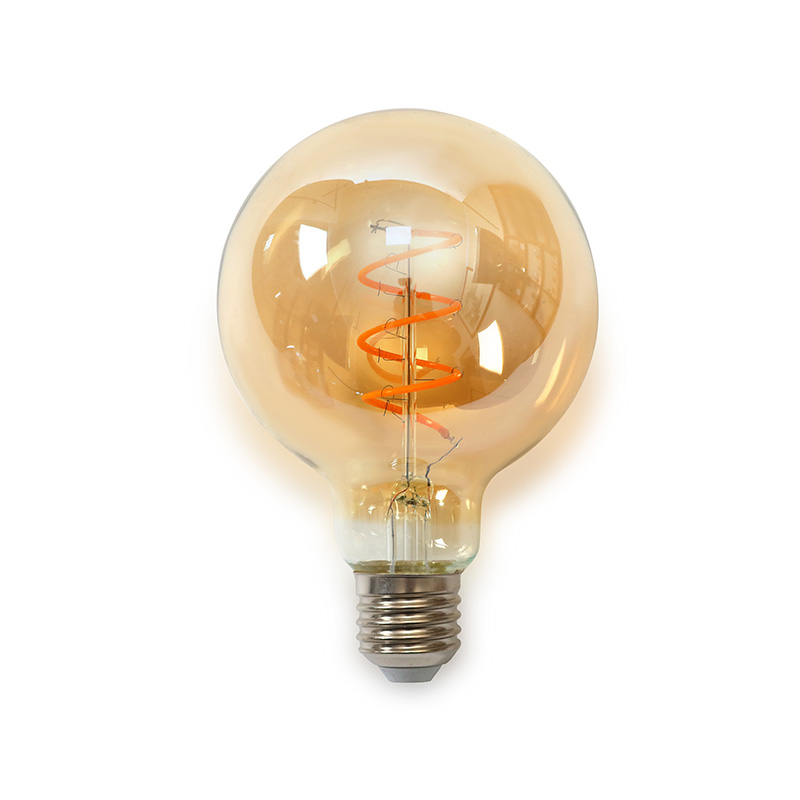
Edison light bulbs are decorative filament bulbs characterized by their visible, glowing filament and amber-tinted warm light, typically ranging from 2200K to 2700K in color temperature. They take their name from Thomas Edison, whose 1879 carbon-filament bulb design inspired the classic aesthetic. Today, most Edison bulbs use either traditional incandescent technology or modern LED filaments that mimic the vintage look while consuming far less energy.
The bottom line: if you want warm, atmospheric lighting with an industrial or vintage aesthetic, Edison bulbs are one of the most effective and affordable ways to achieve it.
Edison Bulb Types and Shapes
Edison bulbs come in several distinct shapes, each suited to different fixtures and design goals. Understanding the shape codes helps you choose correctly without guessing.
| Shape Code | Appearance | Best Use |
|---|---|---|
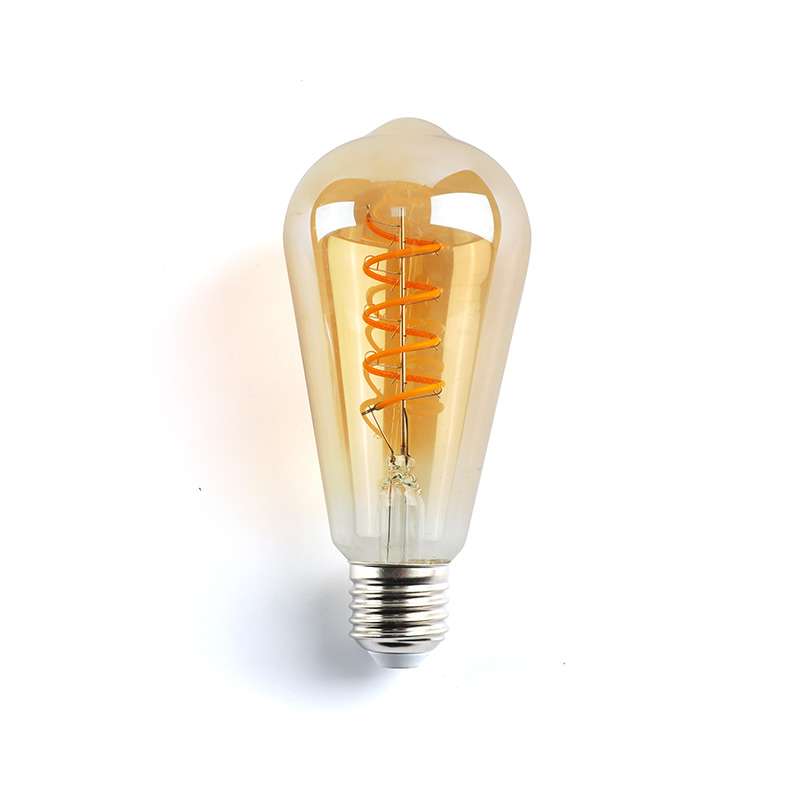
| ST64 | Teardrop / squirrel cage | Pendant lights, exposed fixtures |
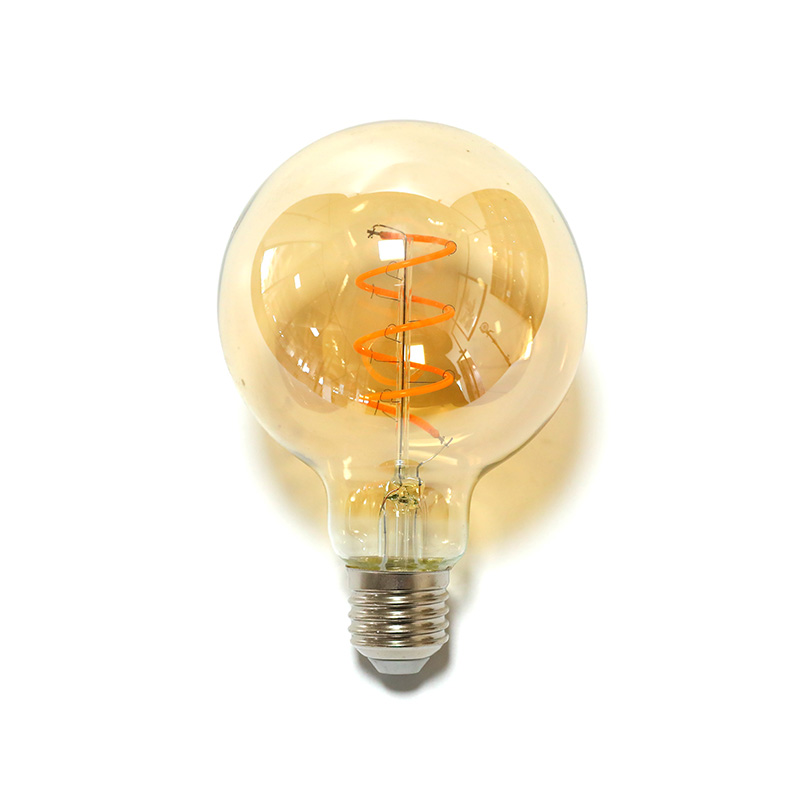
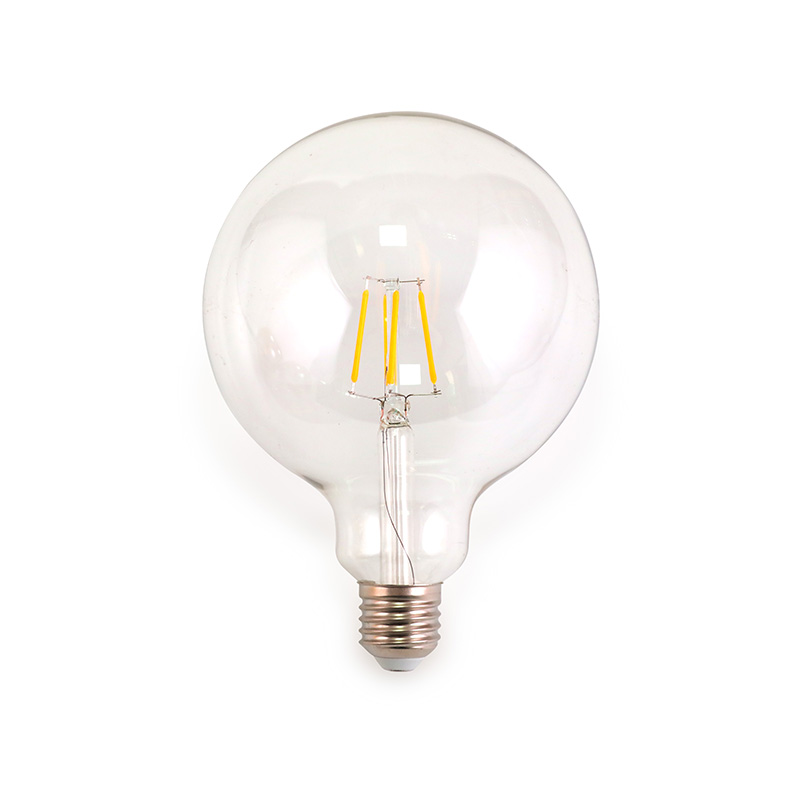
| G125 / G40 | Large globe | Vanity mirrors, string lights |
| A19 | Standard bulb shape | Table lamps, ceiling fixtures |
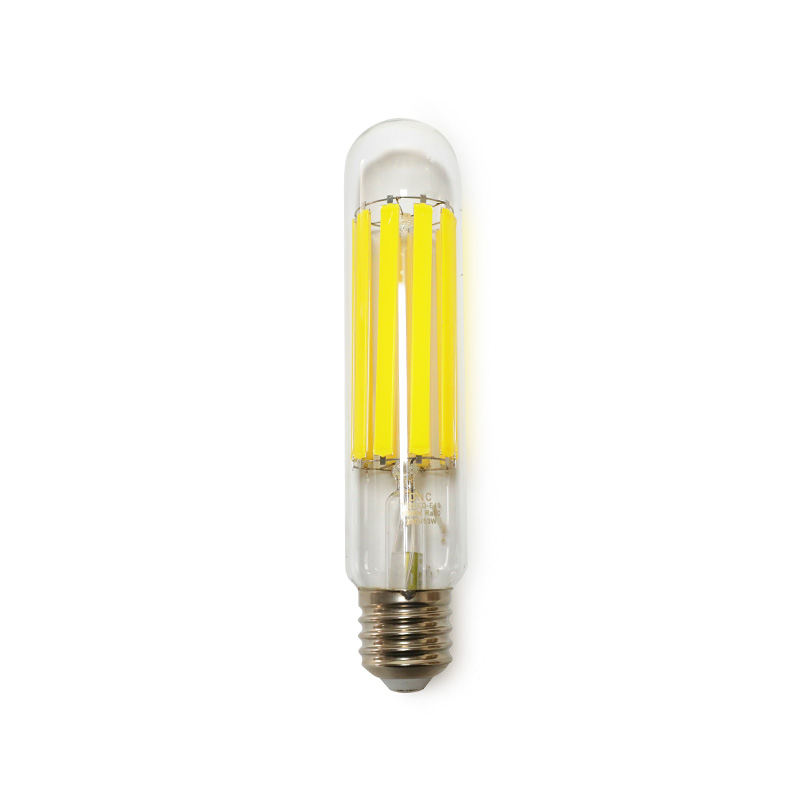
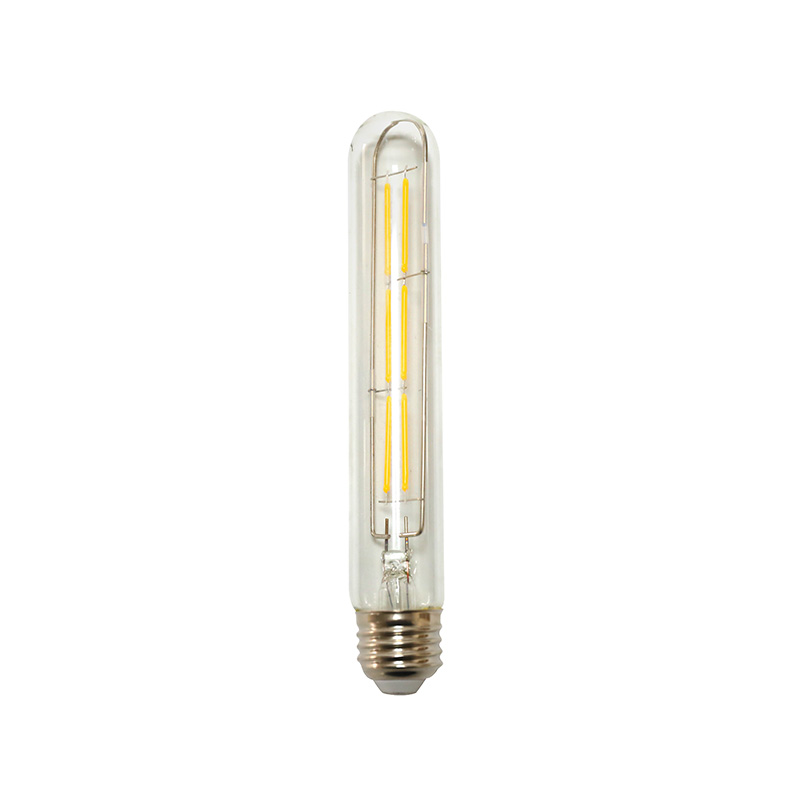
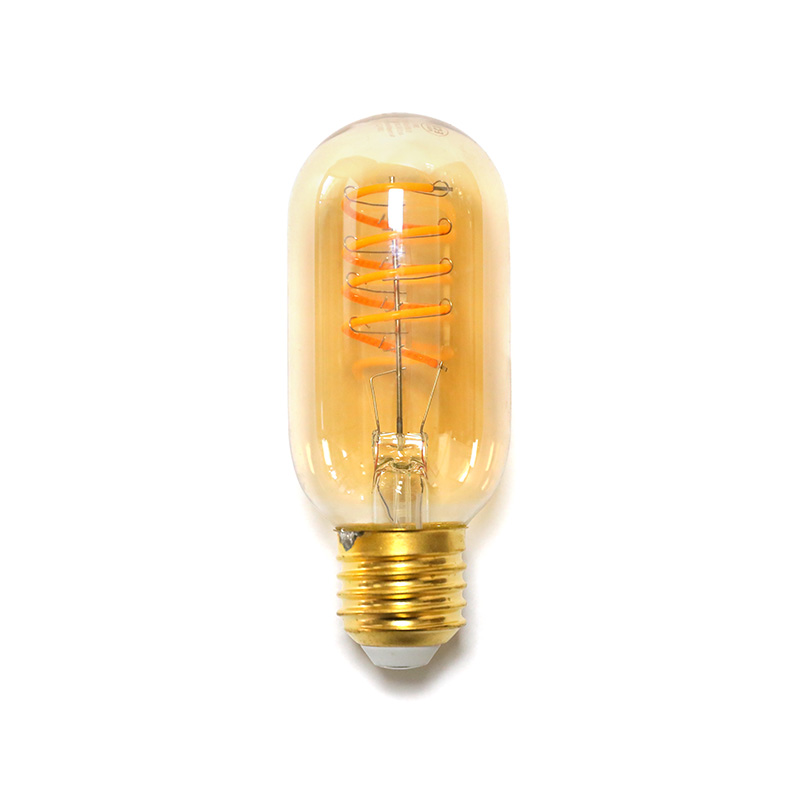
| T45 / T10 | Tubular | Wall sconces, industrial fixtures |
| C35 / CA10 | Candle / flame tip | Chandeliers, decorative candelabras |
The ST64 is the most iconic Edison style and remains the top-selling shape for pendant and café-style installations. If you are unsure where to start, it is a safe and widely compatible choice.
Incandescent vs. LED Edison Bulbs
This is the most important decision when buying Edison bulbs. Traditional incandescent Edison bulbs produce a richer, more authentic glow, but LED Edison bulbs use up to 90% less energy and last significantly longer. Here is a direct comparison:
| Feature | Incandescent Edison | LED Edison |
|---|---|---|
| Lifespan | ~1,000 hours | 15,000–25,000 hours |
| Energy Use (60W equivalent) | 60 watts | 4–8 watts |
| Color Temperature | ~2200K (very warm) | 2200K–2700K (warm) |
| Dimmable | Yes (with any dimmer) | Only with compatible dimmers |
| Heat Emission | High | Low |
| Average Cost per Bulb | $1–$4 | $5–$15 |
For most home and commercial applications, LED Edison bulbs are the practical choice. The higher upfront cost is typically recovered within one to two years through energy savings alone. Incandescent versions are worth considering only for short-term decorative installations, such as seasonal events or photography setups where color accuracy matters.
How to Choose the Right Edison Bulb for Your Space
Picking the right Edison bulb involves four key factors beyond just aesthetics.
Base Type
The most common base for Edison bulbs in North America is the E26 medium base, which fits standard lamp sockets. European fixtures more commonly use the E27. Smaller candelabra fixtures use the E12 base. Always check the socket before purchasing — the bulb's aesthetic is irrelevant if it does not fit.
Lumen Output (Brightness)
Edison bulbs are deliberately low in brightness to preserve their ambient quality. Most decorative Edison LEDs output between 200 and 400 lumens, equivalent to a 25W–40W incandescent. For task lighting, this is insufficient — Edison bulbs work best as mood or accent lighting, not as primary room illumination.
Dimmer Compatibility
If you plan to dim your Edison bulbs, verify that the LED version you choose is labeled "dimmable" and that your dimmer switch is LED-compatible. Using a non-compatible dimmer with LED Edison bulbs can cause flickering, buzzing, or a limited dimming range. Lutron and Leviton both publish compatibility lists on their websites for cross-referencing specific bulb models.
Enclosed Fixture Rating
Many Edison LED bulbs are not rated for enclosed fixtures because trapped heat shortens LED lifespan. If your fixture has a closed globe or shade, look specifically for bulbs marked "enclosed fixture rated" on the packaging.
Best Applications for Edison Bulbs
Edison bulbs perform best in spaces where atmosphere matters more than raw brightness. Common and effective uses include:
- Restaurants and cafés — pendant rows over counters or bar seating create an inviting, intimate feel that influences how long guests stay.
- Bedroom table lamps — the warm 2200K–2400K glow supports relaxation and is easier on the eyes before sleep compared to cooler white bulbs.
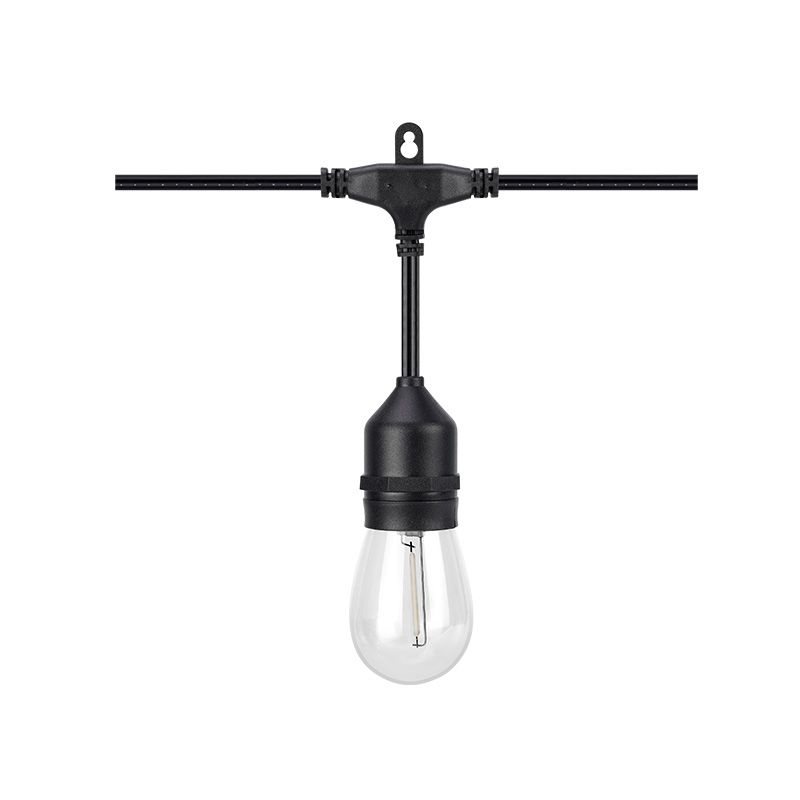
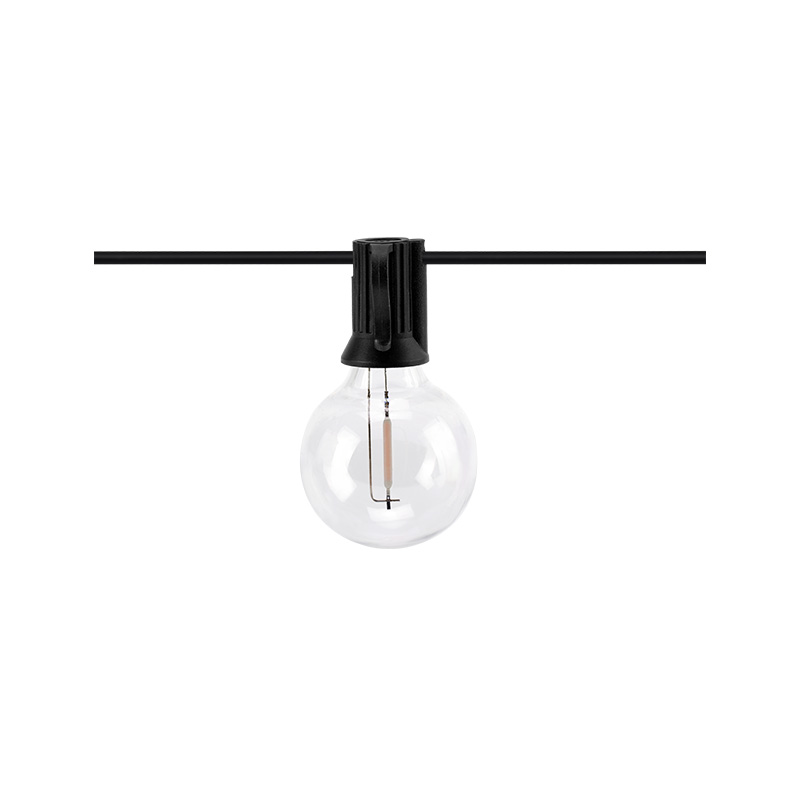
- Outdoor string lights — G40 globe Edison bulbs strung across patios or pergolas are one of the most popular outdoor lighting trends, widely used in backyard entertaining setups.
- Industrial and loft interiors — exposed filament bulbs in cage pendants or pipe fixtures complement concrete, brick, and raw wood surfaces.
- Retail displays and boutiques — warm filament light flatters product presentation, particularly for fashion, food, and lifestyle goods.
Avoid using Edison bulbs as the sole light source in kitchens, home offices, or reading areas. Their low lumen output makes them impractical for tasks requiring clear, bright light.
Filament Styles and What They Mean
The visible filament is a central part of Edison bulb appeal. Different configurations produce different visual effects, even at the same wattage and color temperature.
- Squirrel cage filament — a looping, spiral design most associated with the classic Edison look; ideal for single-pendant statement fixtures.
- Hairpin / U-shaped filament — a clean, minimal double-arch design that gives a modern take on the vintage style.
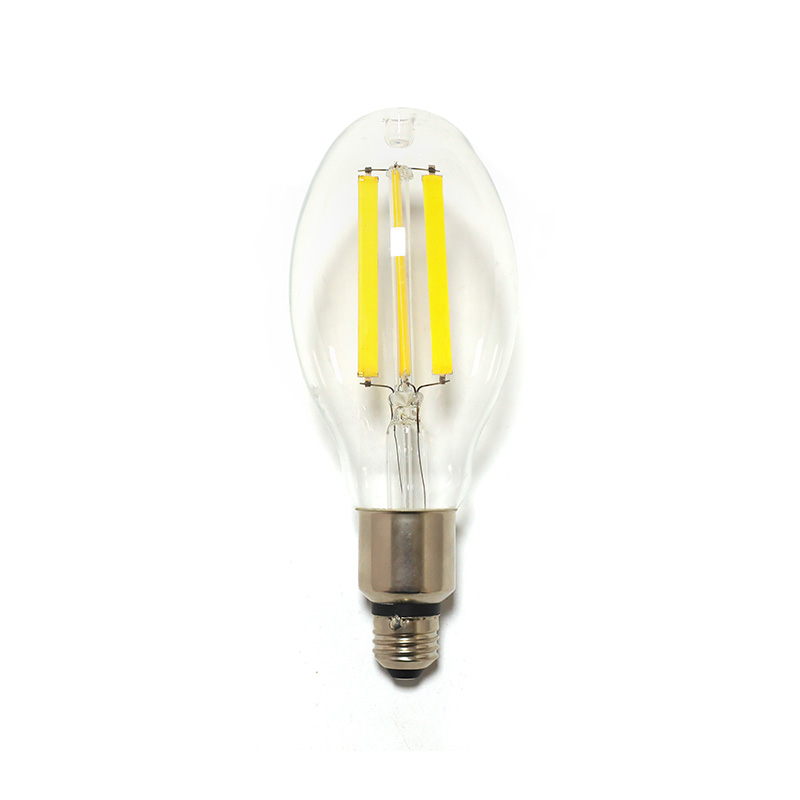
- Linear / tubular filament — straight parallel lines of filament running the length of a T-shaped bulb; often used in wall sconces and industrial setups.
- Spiral / helix filament — a tight corkscrew design that maximizes the glow effect inside globe-shaped bulbs.
In LED versions, these filaments are replicated using flexible LED strips coated in phosphor. Quality varies considerably — look for bulbs from brands that specify CRI 80 or above for more accurate, pleasing color rendering.
Common Buying Mistakes to Avoid
Even experienced buyers make avoidable errors with Edison bulbs. Watch out for these:
- Buying by wattage instead of lumens — wattage measures energy use, not brightness. A 4W LED Edison can match a 40W incandescent in output; compare lumens instead.
- Ignoring the fixture's maximum wattage rating — even if an LED draws only 6W, check the socket's limit, especially in older fixtures rated at 40W or 60W.
- Assuming all LED Edison bulbs are dimmable — many budget options are not. The packaging will explicitly state "dimmable" if the feature is supported.
- Prioritizing aesthetics over CRI — a beautiful filament in a low-CRI bulb will make skin tones and room colors look dull or off. Aim for CRI 90+ in living spaces where appearance matters.
- Using indoor-rated bulbs in outdoor string lights — outdoor fixtures need bulbs rated for moisture and temperature fluctuations, even if under a covered patio.
Edison Bulb Maintenance and Lifespan Tips
Getting the most out of your Edison bulbs, whether incandescent or LED, comes down to a few straightforward habits.
- Allow bulbs to cool completely before handling or cleaning; touching a hot incandescent filament bulb with bare hands can leave oils that cause uneven heating.
- Dust globe and exposed bulbs regularly — dust accumulation on the glass reduces light output and traps heat, which is especially damaging to LEDs.
- Avoid frequent on/off cycling if possible; LEDs in particular benefit from longer on-periods rather than rapid switching, which can degrade drivers over time.
- Store spare bulbs in their original packaging in a stable-temperature environment — extreme cold or heat in storage can affect both incandescent and LED bulb components.
A quality LED Edison bulb, properly installed and used, should last between 15 and 25 years under average residential use of 3 hours per day — making replacement an infrequent concern rather than a recurring cost.