 English
 русский
Content
- 1 What Are Vintage Light Bulbs
- 2 Types of Vintage Filament Designs
- 3 Incandescent vs LED Vintage Bulbs
- 4 Choosing the Right Bulb Shape and Size
- 5 Understanding Brightness and Light Output
- 6 Base Types and Compatibility
- 7 Glass Finish Options
- 8 Practical Applications and Design Tips
- 9 Cost Analysis and Long-Term Value
- 10 Common Mistakes to Avoid
- 11 Maintenance and Lifespan Expectations
What Are Vintage Light Bulbs
Vintage light bulbs are modern reproductions of early 20th-century Edison-style incandescent bulbs, featuring exposed filaments in decorative patterns housed within clear or amber glass. These bulbs combine nostalgic aesthetics with contemporary technology, offering warm ambient lighting that ranges from 2000K to 2700K color temperature—significantly warmer than standard LED bulbs at 3000K.
The defining characteristic is the visible filament design, which can be shaped into spirals, loops, cages, or traditional hairpin patterns. While original Edison bulbs operated at extremely low efficiency, modern vintage bulbs are available in both traditional incandescent versions (consuming 40-60 watts) and LED equivalents (using only 4-8 watts while producing comparable light output).
Types of Vintage Filament Designs
The filament pattern dramatically influences both the visual appeal and light distribution of vintage bulbs. Understanding these variations helps you select the right style for your space.
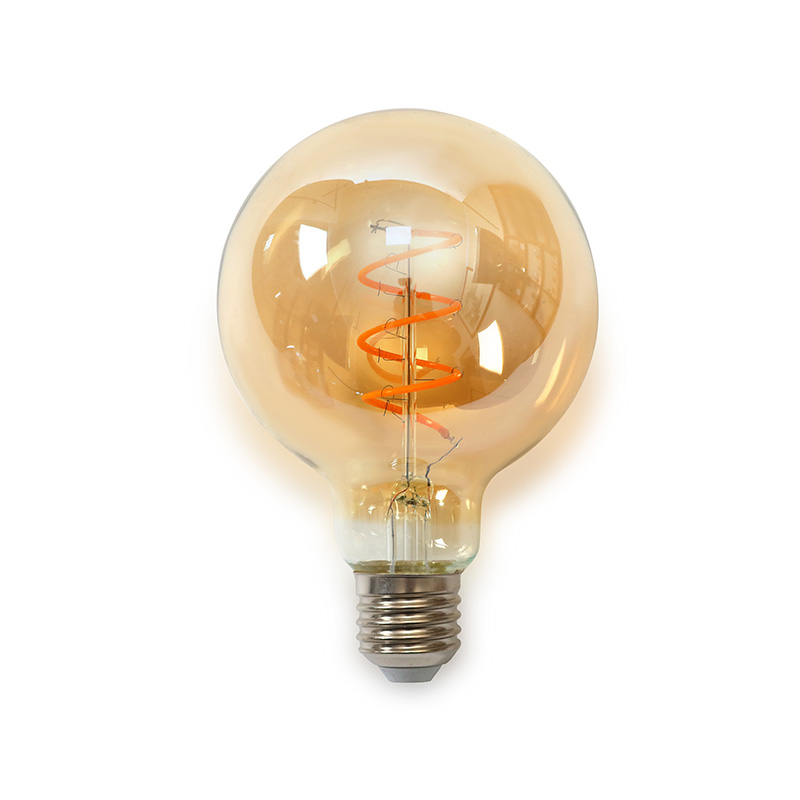
Spiral Filament Bulbs
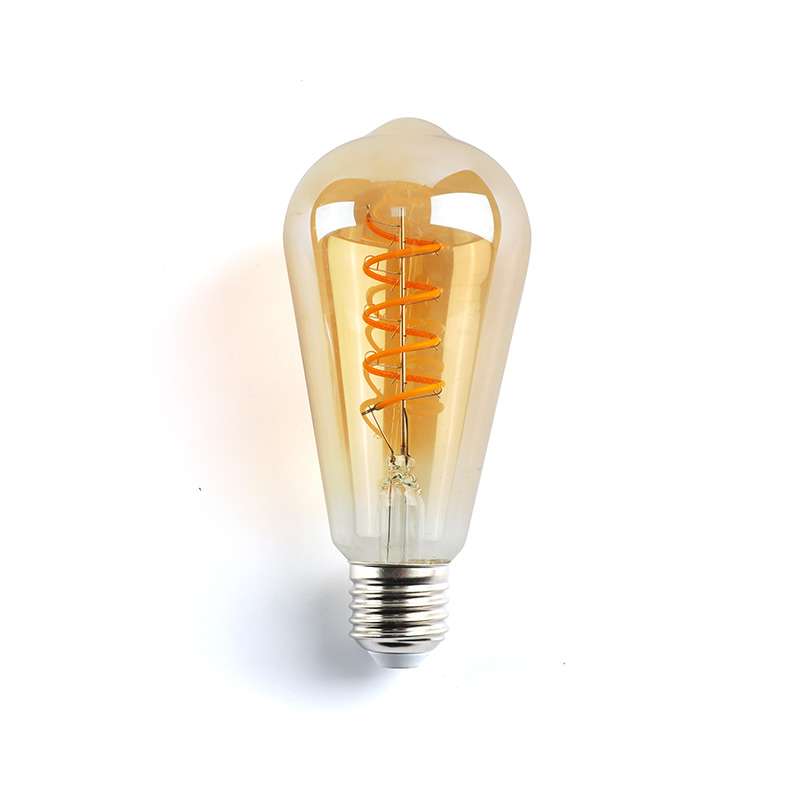
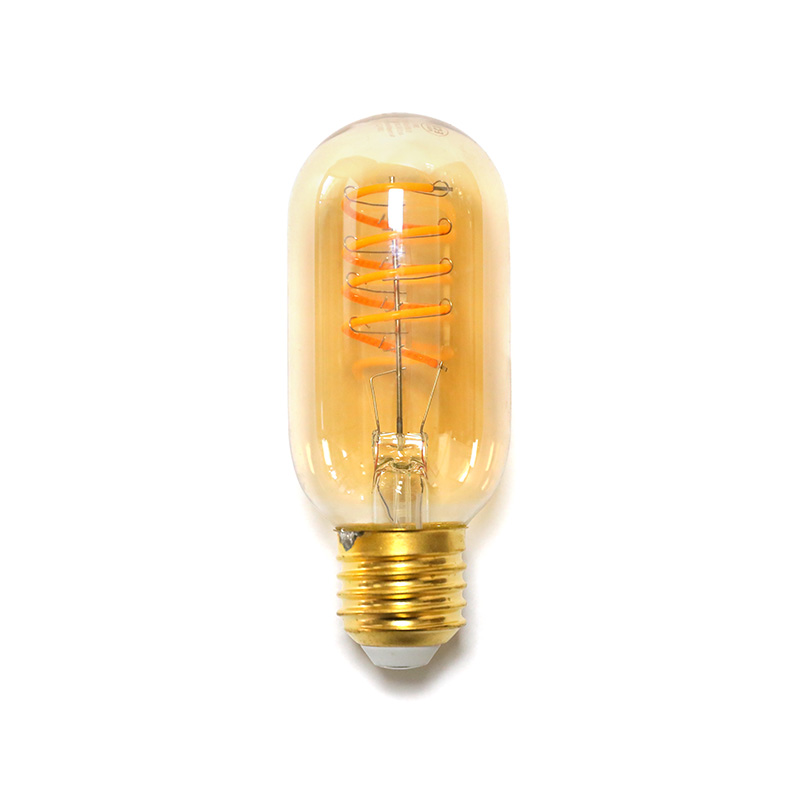
Spiral filaments feature tightly wound coils that create a striking visual centerpiece. These designs provide 360-degree light distribution and work exceptionally well in open fixtures where the bulb remains fully visible. Popular in pendant lights and chandeliers, spiral filaments typically produce 200-400 lumens in LED versions.
Cage Filament Bulbs
Cage or squirrel cage filaments consist of multiple vertical wire loops resembling an antique birdcage. This design creates dramatic shadow patterns on surrounding surfaces and offers the most authentic Edison-era appearance. They're ideal for industrial-style fixtures and exposed bulb installations.
Loop and Hairpin Filaments
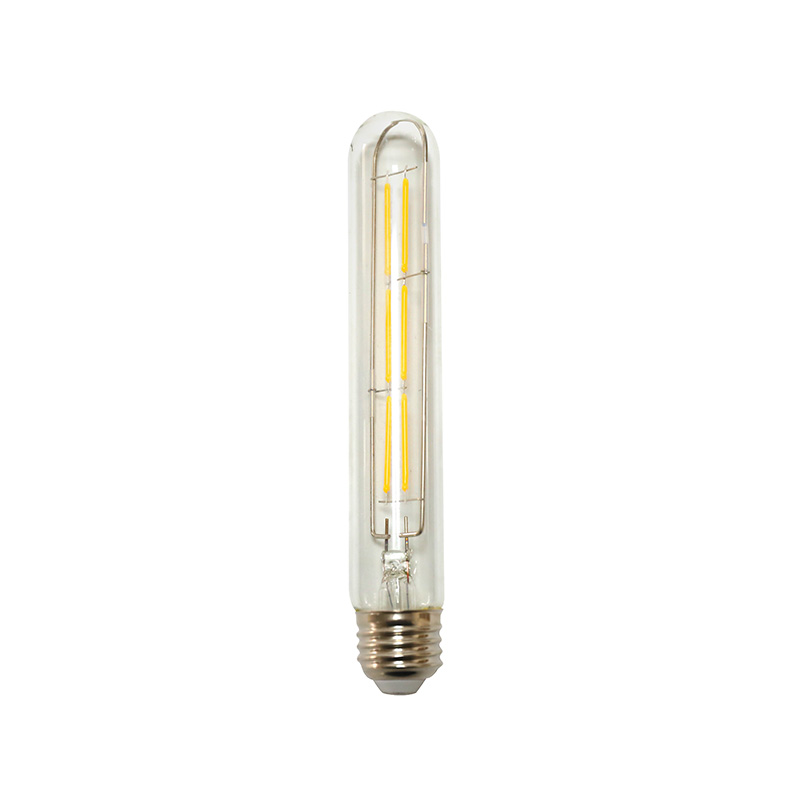
Traditional loop or hairpin filaments feature simple, elegant curves that closely replicate original carbon filament designs. These provide softer, more diffused illumination compared to spiral designs and suit traditional or transitional decor styles. They typically consume less energy while maintaining the vintage aesthetic.
Incandescent vs LED Vintage Bulbs
Choosing between traditional incandescent and LED vintage bulbs involves balancing authenticity, energy efficiency, and longevity.
| Feature | Incandescent | LED |
|---|---|---|
| Power Consumption | 40-60W | 4-8W |
| Lifespan | 1,000-3,000 hours | 15,000-25,000 hours |
| Dimmer Compatibility | Fully compatible | Requires dimmable LED models |
| Warmth on Dimming | Gets warmer (amber glow) | Maintains color temperature |
| Cost per Bulb | $3-$8 | $8-$20 |
| Annual Energy Cost | $15-$20 | $1.50-$3 |
LED vintage bulbs offer 87% energy savings compared to incandescent versions while lasting up to 25 times longer. However, purists prefer incandescent bulbs for their authentic warm glow when dimmed and the natural flicker quality that LED technology struggles to replicate perfectly.
Choosing the Right Bulb Shape and Size
Vintage bulbs come in numerous shapes designated by letter codes. The most common options include:
- ST64 (Edison bulb): The classic teardrop shape measuring 64mm in diameter, ideal for pendant lights and exposed fixtures
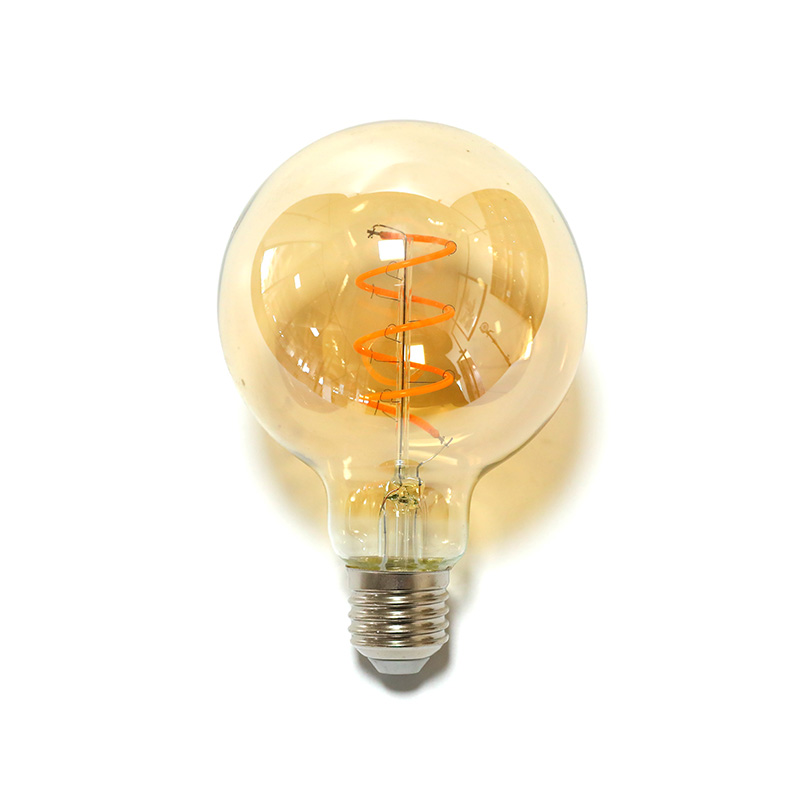
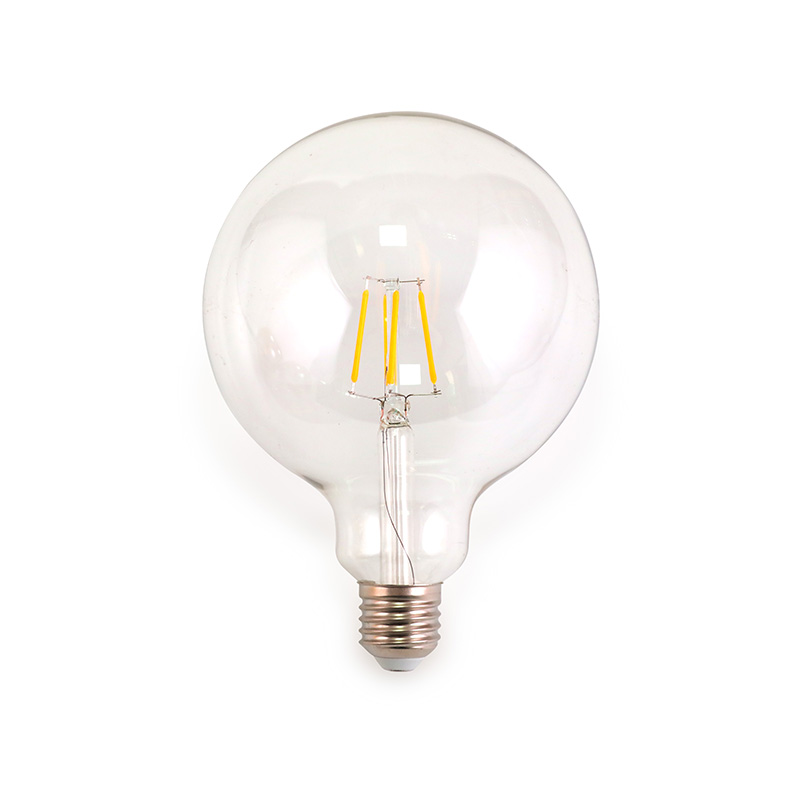
- G80 and G95 (Globe bulbs): Spherical bulbs at 80mm and 95mm diameter, perfect for bathroom vanities and statement fixtures
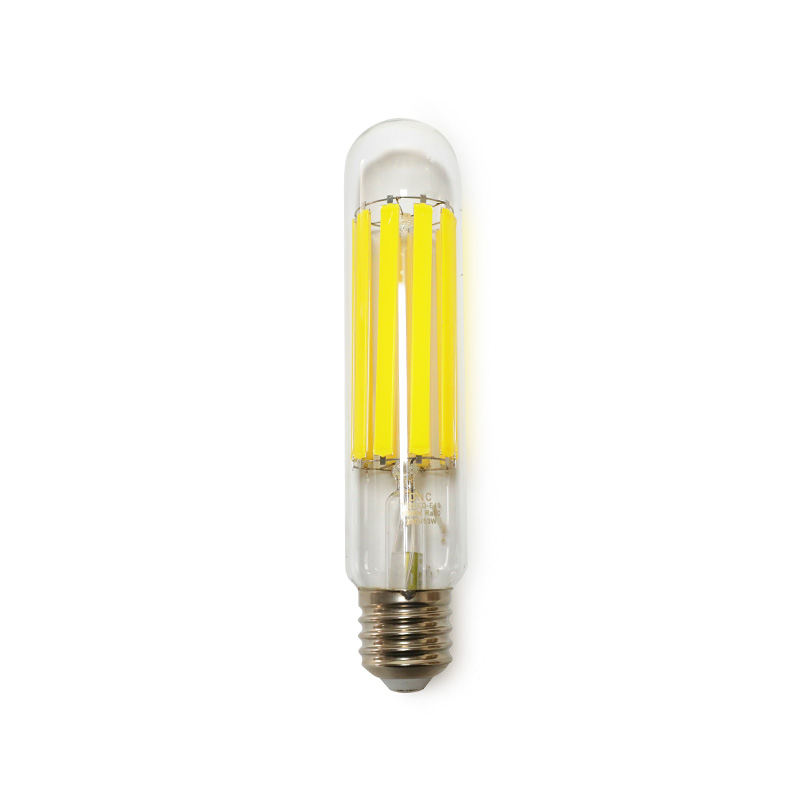
- T45 (Tubular bulbs): Slim 45mm diameter tubes excellent for tight spaces and multi-bulb chandeliers
- A19 (Standard bulb): Traditional household bulb shape with vintage filament, fitting most existing fixtures
The number following the letter indicates the bulb's maximum diameter in millimeters. For fixtures with glass shades or enclosures, measure the opening carefully—an ST64 bulb requires at minimum a 70mm opening to fit comfortably.
Understanding Brightness and Light Output
Vintage bulbs prioritize ambiance over illumination intensity. Most models produce between 200-800 lumens, compared to standard bulbs that output 800-1600 lumens. This lower output creates intimate, cozy environments but may require multiple bulbs for task lighting.
Lumens Guide for Different Rooms
- Living rooms: 400-600 lumens per bulb with 3-5 bulbs for adequate ambient lighting
- Dining areas: 300-500 lumens per bulb, typically 1-3 bulbs in pendant fixtures
- Bedrooms: 200-400 lumens per bulb for relaxing atmosphere
- Bathrooms: 600-800 lumens per bulb for vanity lighting, supplement with additional sources
For spaces requiring brighter illumination like kitchens or home offices, vintage bulbs work best as supplementary accent lighting rather than primary light sources.
Base Types and Compatibility
Most vintage bulbs use standard E26 (medium) or E12 (candelabra) bases that fit conventional fixtures. However, verify your fixture's requirements before purchasing:
- E26/E27: Standard screw base for most household fixtures in North America and Europe
- E12: Smaller candelabra base common in chandeliers and decorative fixtures
- E14: European small Edison screw found in imported fixtures
- B22: Bayonet cap used primarily in UK and Commonwealth fixtures
Check voltage compatibility as well—North American fixtures require 110-120V bulbs while European installations need 220-240V versions. Using incorrect voltage bulbs will result in premature failure or safety hazards.
Glass Finish Options
The glass envelope finish significantly impacts the lighting effect and visual warmth.
Clear Glass
Clear glass bulbs showcase the filament design most dramatically and cast defined shadows. They produce sharper, more focused light suitable for modern industrial interiors and minimalist spaces. The filament glare can be intense when viewed directly, making them better suited for fixtures where the bulb faces downward or away from eye level.
Amber Glass
Amber or tinted glass filters the light through a golden hue, creating an extra-warm 2000K-2200K color temperature. This finish softens the filament's visual intensity and enhances the nostalgic atmosphere. Amber bulbs reduce overall light output by approximately 10-15% compared to clear versions but offer superior ambiance for restaurants, bars, and vintage-themed residential spaces.
Smoked and Tinted Glass
Smoked gray or bronze-tinted glass provides a contemporary twist on vintage design. These finishes reduce glare substantially and create moody, subdued lighting ideal for boutique retail environments and upscale residential applications. Light output decreases by 20-30%, making them purely decorative in many contexts.
Practical Applications and Design Tips
Vintage light bulbs excel in specific applications where their aesthetic value justifies their limitations in brightness and efficiency.
Optimal Fixture Pairings
- Exposed pendant lights: Showcase bulb design without shades or diffusers, particularly effective over dining tables and kitchen islands
- Industrial pipe fixtures: Complement raw metal and reclaimed wood elements in loft-style spaces
- Edison sconce brackets: Wall-mounted fixtures that display the bulb horizontally for maximum visual impact
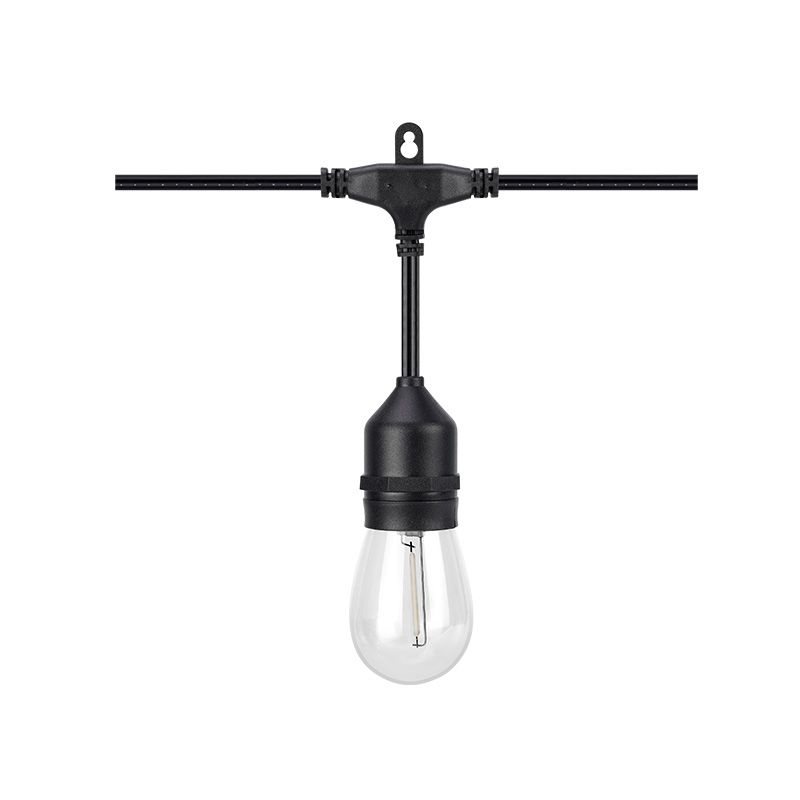
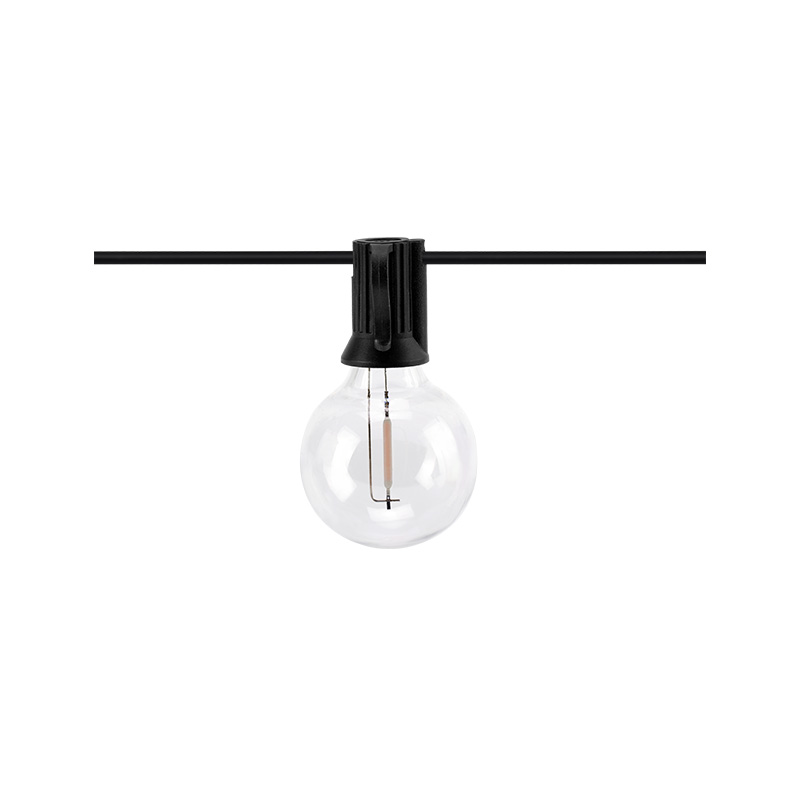
- String lights: Create café-style outdoor ambiance with larger ST64 or G80 bulbs spaced 12-18 inches apart
Mixing with Other Light Sources
Because vintage bulbs provide limited task lighting, layer them with recessed fixtures, track lighting, or table lamps. Use vintage bulbs at 30-40% of total room lighting to maintain atmosphere while ensuring functionality. For example, in a living room, combine a vintage chandelier with recessed LED downlights on separate dimmer circuits.
Height and Installation Considerations
Install vintage pendants at proper heights to maximize their effect. Over dining tables, position fixtures 30-36 inches above the table surface. For kitchen islands, hang pendants 28-34 inches from the countertop. In living spaces with high ceilings, use larger globe bulbs (G95 or G125) to maintain visual proportion.
Cost Analysis and Long-Term Value
While vintage LED bulbs cost more upfront than standard LEDs, they deliver value through aesthetic enhancement and reduced replacement frequency.
Consider a dining room chandelier with five bulbs used 3 hours daily:
| Cost Factor | Incandescent Vintage | LED Vintage |
|---|---|---|
| Initial Investment (5 bulbs) | $25-$40 | $50-$100 |
| Annual Electricity Cost | $95 | $12 |
| Replacement Frequency | Every 12-18 months | Every 12-15 years |
| 5-Year Total Cost | $585 | $135 |
LED vintage bulbs pay for themselves within 18-24 months through energy savings alone, while eliminating the hassle and cost of frequent replacements. For installations requiring multiple bulbs or hard-to-reach fixtures, the LED option becomes even more compelling.
Common Mistakes to Avoid
Maximize your vintage lighting investment by avoiding these frequent errors:
- Overlooking dimmer compatibility: Not all LED vintage bulbs work with existing dimmer switches. Verify compatibility or upgrade to LED-compatible dimmers to prevent flickering and buzzing. Quality dimmable LED bulbs should dim smoothly to 10% brightness.
- Choosing insufficient brightness: A single 400-lumen vintage bulb cannot adequately light a 200-square-foot room. Calculate total lumens needed (20-30 lumens per square foot for living spaces) and install enough bulbs to meet that target.
- Ignoring color temperature consistency: Mixing 2200K amber bulbs with 2700K clear bulbs creates visually jarring contrasts. Maintain consistent color temperature throughout connected spaces for cohesive lighting design.
- Installing in enclosed fixtures: Many LED vintage bulbs require ventilation to prevent overheating. Check manufacturer specifications before using in fully enclosed ceiling fixtures or recessed cans without proper heat dissipation.
- Neglecting CRI ratings: Color Rendering Index affects how accurately colors appear. Choose bulbs with CRI 80 or higher for spaces where color accuracy matters, such as bathrooms and dressing areas.
Maintenance and Lifespan Expectations
Vintage bulbs require minimal maintenance but benefit from proper handling and environmental conditions.
LED versions typically last 15,000-25,000 hours under normal conditions, translating to 13-20 years at 3 hours daily use. However, excessive heat reduces lifespan significantly. Keep LED bulbs in fixtures with adequate ventilation and avoid installations in attics, saunas, or outdoor locations without weatherproof ratings.
Incandescent vintage bulbs are more fragile and sensitive to vibration. In ceiling fans or garage door opener fixtures, expect reduced lifespans of 500-1,000 hours. Handle all vintage bulbs carefully—the decorative glass is thinner than standard bulbs and the filament structures are delicate.
Clean bulbs every 3-6 months by dusting gently with a dry microfiber cloth. Never clean bulbs while hot or use liquid cleaners, as moisture can damage connections and reduce efficiency. For outdoor string lights, choose bulbs rated for wet locations to prevent moisture infiltration.