 English
 русский
Content
- 1 What Is a Filament Lamp
- 2 Types of Filament Lamps and Their Characteristics
- 3 How Filament Lamps Work: The Science Behind the Glow
- 4 Energy Efficiency and Environmental Impact
- 5 Modern Applications Where Filament Lamps Excel
- 6 LED Filament Bulbs: The Best of Both Worlds
- 7 Choosing the Right Filament Lamp for Your Needs
- 8 Common Problems and Troubleshooting
What Is a Filament Lamp
A filament lamp is an electric light source that produces illumination by heating a thin wire filament—typically made of tungsten—until it glows white-hot. The filament operates at temperatures around 2,500-3,000°C (4,500-5,400°F), converting electrical energy into both light and heat. This technology, invented by Thomas Edison in 1879, works by passing electric current through a high-resistance filament enclosed in a glass bulb filled with inert gas or vacuum to prevent oxidation.
The basic principle remains unchanged: electricity flows through the tungsten wire, resistance generates heat, and the heated filament emits visible light through incandescence. Modern filament lamps include traditional incandescent bulbs, halogen variants, and decorative Edison-style bulbs that have experienced a resurgence in vintage-inspired lighting design.
Types of Filament Lamps and Their Characteristics
Standard Incandescent Bulbs
Traditional incandescent lamps use a coiled tungsten filament in an argon-nitrogen gas mixture. They convert only 5% of energy into visible light, with the remaining 95% released as heat. Common wattages range from 25W to 100W, producing 200 to 1,600 lumens respectively. Their color temperature sits at a warm 2,700K, creating the familiar yellow-white glow associated with home lighting.
Halogen Lamps
Halogen bulbs represent an improved filament technology, using halogen gases (iodine or bromine) to enable higher operating temperatures and longer lifespan. Halogen lamps achieve 10-15% efficiency and last 2,000-4,000 hours compared to standard incandescent's 750-1,000 hours. They produce whiter light at 3,000K and are commonly used in automotive headlights, track lighting, and spotlights.
Decorative Edison Bulbs
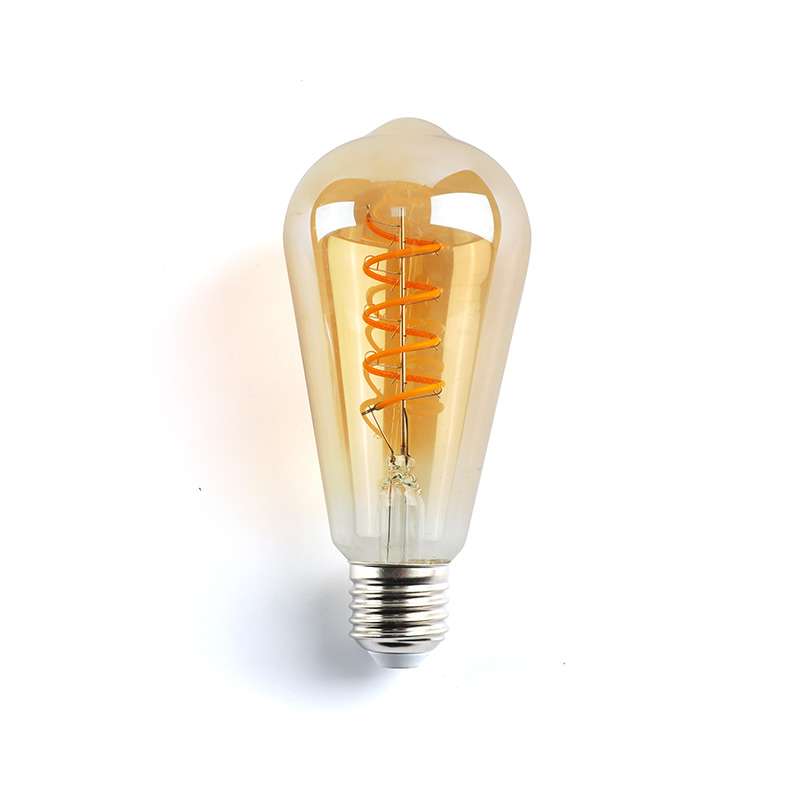
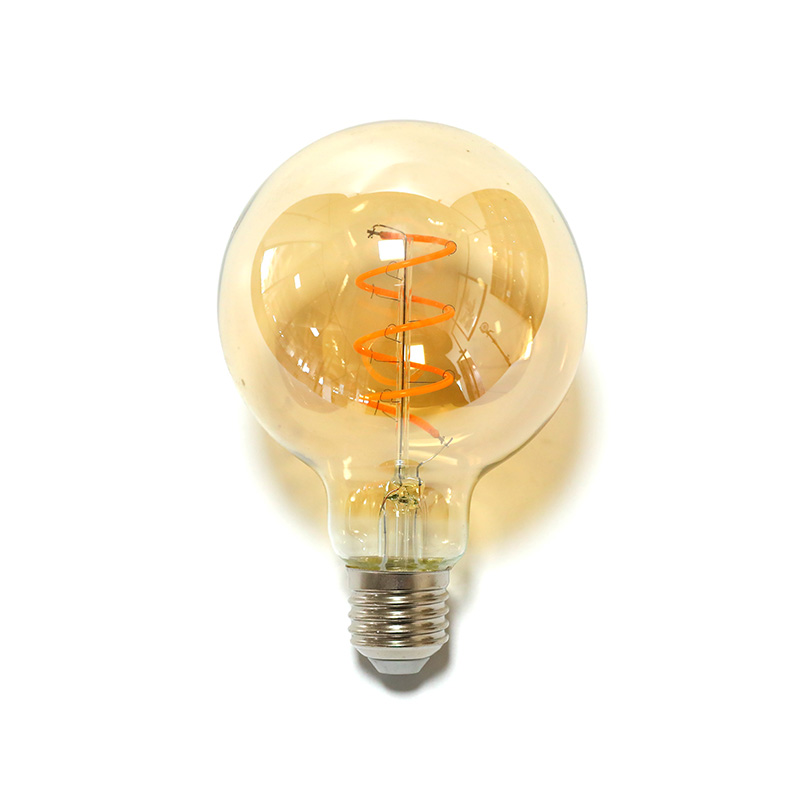
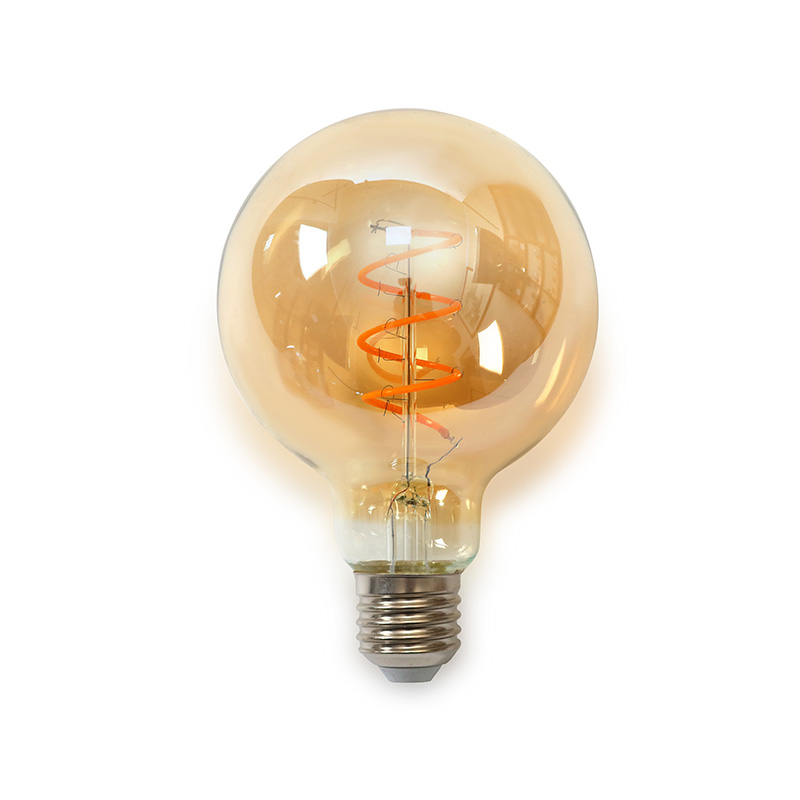
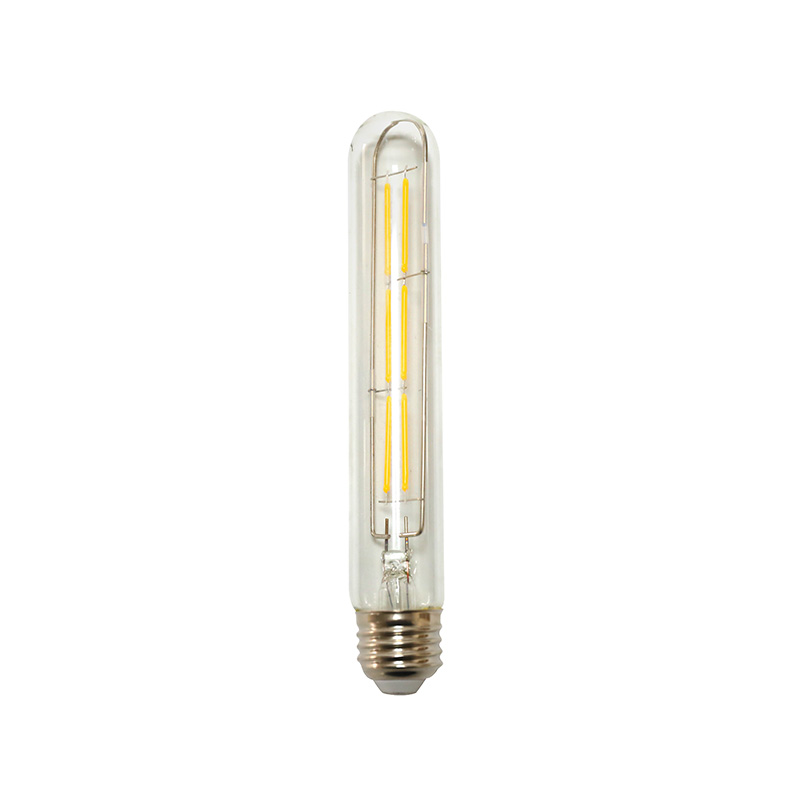
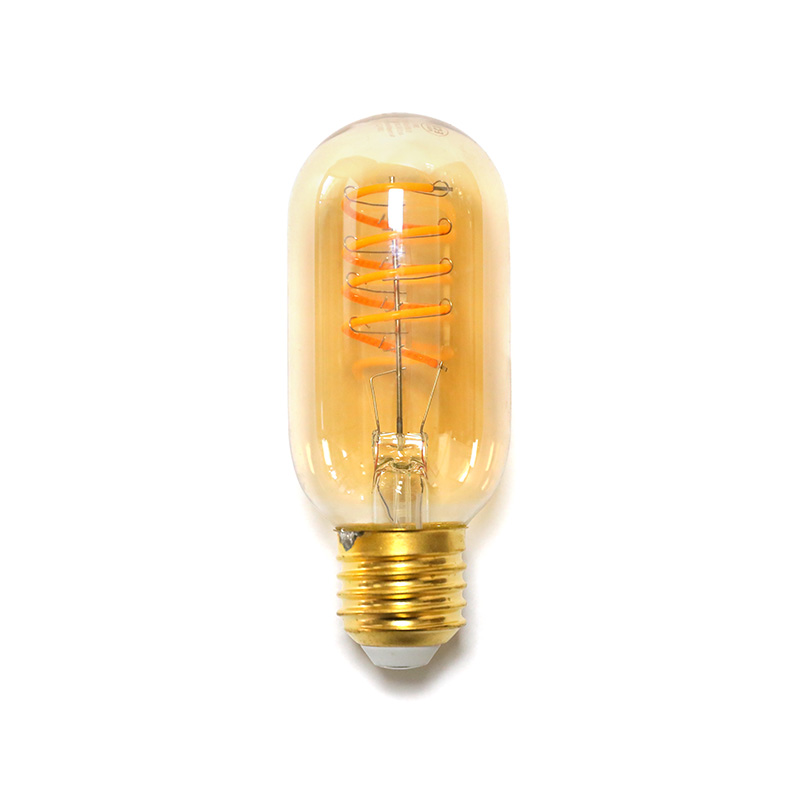
Vintage-style filament lamps feature visible, artistic filament designs in clear glass bulbs. While maintaining traditional incandescent efficiency levels, decorative Edison bulbs prioritize aesthetics over performance, with shaped filaments creating squirrel cage, spiral, or loop patterns. They're extensively used in restaurants, cafes, and residential spaces seeking industrial or retro design elements.
| Lamp Type | Efficiency | Lifespan (Hours) | Color Temp (K) |
|---|---|---|---|
| Standard Incandescent | 5% | 750-1,000 | 2,700 |
| Halogen | 10-15% | 2,000-4,000 | 3,000 |
| LED Filament | 85-90% | 15,000-25,000 | 2,200-3,000 |
How Filament Lamps Work: The Science Behind the Glow
The operation of filament lamps relies on the principle of electrical resistance and thermal radiation. When voltage is applied across the lamp's terminals, electrons flow through the tungsten filament, which has high electrical resistance. This resistance causes atoms within the metal to vibrate intensely, generating heat energy.
As the filament temperature exceeds 2,200°C, it begins emitting visible light through blackbody radiation. The spectrum of light emitted depends on temperature—higher temperatures produce whiter light with more blue wavelengths, while lower temperatures yield yellower, warmer tones.
The tungsten filament is coiled multiple times to increase its length within a compact space, maximizing surface area for light emission while minimizing heat loss. The glass bulb contains inert gases (typically argon with small amounts of nitrogen) that slow tungsten evaporation, extending filament life. Without this gas, the filament would oxidize rapidly and burn out within minutes.
In halogen variants, halogen gases create a regenerative cycle: evaporated tungsten atoms combine with halogen molecules, then redeposit on the cooler parts of the filament. This halogen cycle allows operation at higher temperatures and significantly extends lamp lifespan.
Energy Efficiency and Environmental Impact
Traditional filament lamps face significant criticism for energy inefficiency. A 60W incandescent bulb produces approximately 800 lumens, while an equivalent LED uses only 8-10W for the same output—representing an 85% energy reduction. Over a bulb's lifetime, this translates to substantial cost savings and reduced carbon emissions.
Consider a practical example: Running a 60W incandescent bulb for 5 hours daily at $0.12/kWh electricity costs approximately $13.14 annually. An 8W LED producing equivalent light costs only $1.75 per year—a savings of $11.39 annually per bulb. In a home with 20 bulbs, switching to LEDs saves over $225 yearly.
Environmental concerns extend beyond energy consumption. Incandescent bulbs contain no hazardous materials and are fully recyclable, unlike CFLs which contain mercury. However, their short lifespan means more frequent replacement, generating additional waste. Many countries, including the European Union and several US states, have phased out or restricted incandescent bulb sales since 2012.
- EU banned incandescent bulbs in 2012, halogen bulbs in 2018
- US phased out most incandescent production by 2023
- Australia prohibited incandescent sales starting 2009
- Canada banned inefficient bulbs effective 2014
Modern Applications Where Filament Lamps Excel
Despite efficiency drawbacks, filament lamps maintain relevance in specific applications where their unique characteristics provide advantages.
Dimming Performance
Incandescent lamps dim smoothly from 0-100% using simple resistive dimmers, with color temperature shifting warmer as they dim—creating an ambiance that matches candlelight at low settings (approximately 1,800K). Many LED alternatives require specialized dimmers and maintain constant color temperature, which some users find less appealing for mood lighting.
Heat Generation Applications
The "inefficient" heat production becomes an asset in applications like Easy-Bake Ovens, reptile enclosures, food warming lamps, and incubators. A 100W incandescent bulb generates approximately 85W of heat energy—making it function as both light source and heater.
Color Rendering Quality
Incandescent lamps achieve a perfect Color Rendering Index (CRI) of 100, as they emit a continuous spectrum of wavelengths similar to sunlight. This makes them ideal for art studios, photography applications, and retail displays where accurate color perception is critical. While high-quality LEDs now reach CRI 95+, many budget LEDs score below 80.
Specialty and Decorative Lighting
The hospitality industry extensively uses decorative filament bulbs to create specific atmospheres. A 2023 survey of US restaurants found that 67% incorporate visible filament bulbs in their lighting design, valuing aesthetic appeal over energy efficiency. LED filament bulbs now offer the same visual appearance with improved efficiency, bridging the gap between aesthetics and performance.
LED Filament Bulbs: The Best of Both Worlds
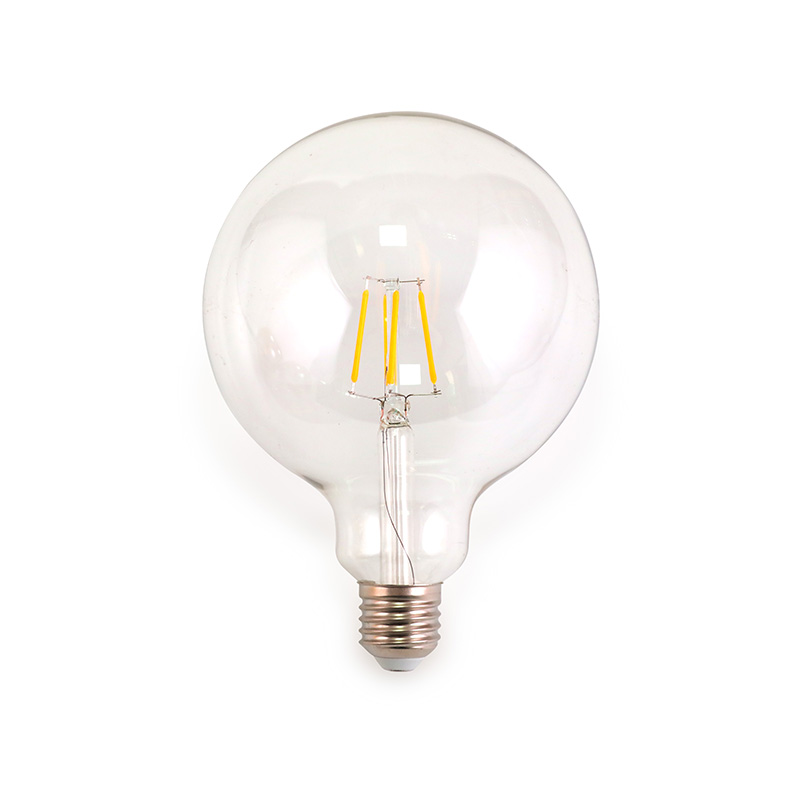
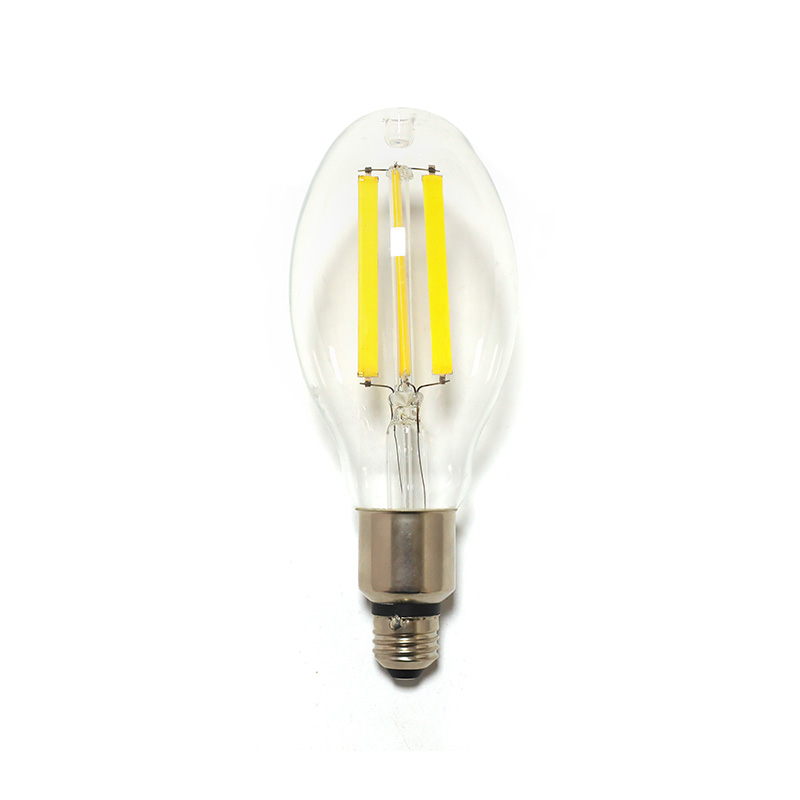
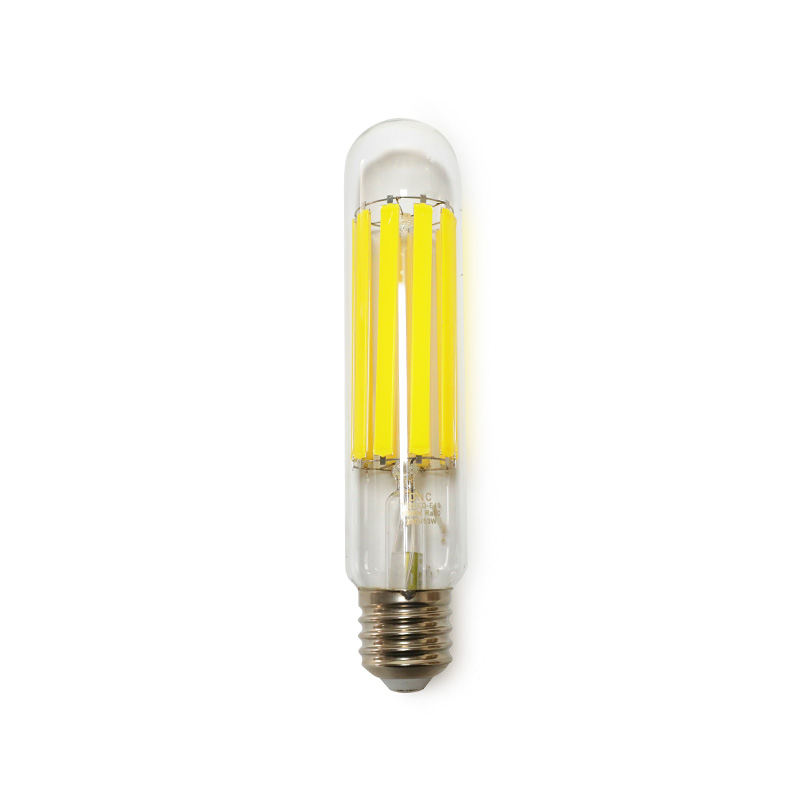
LED filament technology combines the visual appeal of traditional Edison bulbs with modern efficiency. These bulbs use LED chips arranged in filament-shaped strips within clear glass enclosures, mimicking the appearance of tungsten filaments while consuming 85-90% less energy than incandescent equivalents.
Key advantages of LED filament bulbs include:
- Authentic vintage appearance with 360-degree light distribution
- Lifespan of 15,000-25,000 hours versus 1,000 hours for incandescent
- Instant full brightness with no warm-up period
- Available in multiple color temperatures (2,200K to 3,000K)
- Dimmable options compatible with most residential dimmers
Market data indicates LED filament bulb sales grew by 43% annually between 2020-2024, driven by consumer demand for energy-efficient vintage aesthetics. Major manufacturers now offer LED filament versions of classic shapes including globe (G25), Edison (ST64), and candelabra (CA10) styles.
Choosing the Right Filament Lamp for Your Needs
Selection depends on balancing aesthetics, efficiency, application requirements, and budget considerations. Here's a practical decision framework:
For General Home Lighting
LED filament bulbs provide optimal value, combining authentic appearance with payback periods of 6-12 months through energy savings. Choose 2,700K for warm ambient lighting matching traditional incandescent color.
For Decorative Fixtures
Exposed filament chandeliers and pendant lights benefit from LED filament bulbs with artistic filament patterns. Select bulb shapes (ST64, G25, T45) that complement fixture design and ensure clear glass for maximum filament visibility.
For Specialty Applications
Traditional incandescent or halogen bulbs remain appropriate for dimming-critical applications, heat-required uses, or situations requiring perfect color rendering without LED alternatives. Examples include theatrical lighting, some photographic applications, and vintage appliances designed for incandescent bulbs.
For Outdoor and Harsh Environments
Halogen bulbs withstand temperature extremes and vibration better than standard incandescent options, making them suitable for outdoor security lighting, workshop fixtures, and industrial applications. However, LED alternatives now offer comparable durability with superior efficiency.
Common Problems and Troubleshooting
Understanding typical filament lamp failures helps users maximize performance and lifespan:
Premature Burnout
Voltage fluctuations reduce bulb life by approximately 50% for every 5% overvoltage. If bulbs consistently fail early, check household voltage with a multimeter—sustained voltage above 125V in 120V systems accelerates filament degradation. Installing voltage stabilizers or switching to 130V-rated bulbs extends lifespan in high-voltage situations.
Flickering or Dimming
Loose connections, corroded sockets, or incompatible dimmers cause flickering. Clean lamp sockets with fine sandpaper, ensure tight connections, and verify dimmer compatibility—not all incandescent bulbs tolerate all dimmer types, particularly newer electronic models.
Blackening Glass
Dark deposits inside the bulb indicate tungsten evaporation—a normal end-of-life process. This darkening reduces light output by up to 20% before complete failure. Replace bulbs showing significant blackening to maintain illumination levels.
Excessive Heat
Enclosed fixtures trap heat, reducing bulb lifespan. Use bulbs rated for enclosed fixtures or switch to LED alternatives that generate 70-80% less heat, preventing fixture damage and reducing air conditioning costs.