 English
 русский
Content
- 1 Understanding LED Filament Bulbs
- 2 How LED Filament Technology Works
- 3 Advantages Over Traditional Lighting
- 4 Design Aesthetics and Visual Appeal
- 5 Common Applications and Use Cases
- 6 Selection Criteria and Specifications
- 7 Limitations and Considerations
- 8 Cost Analysis and Long-Term Value
- 9 Environmental Impact and Sustainability
Understanding LED Filament Bulbs
An LED filament bulb is a modern lighting solution that replicates the classic appearance of traditional incandescent bulbs while utilizing energy-efficient LED technology. These bulbs feature LED chips arranged on a linear substrate to mimic the glowing filament wire of vintage Edison bulbs, providing 360-degree light distribution with significantly lower energy consumption.
The technology combines nostalgia with innovation, offering the warm, familiar glow of old-fashioned bulbs at approximately 80-90% less energy usage and a lifespan of 15,000-25,000 hours compared to the 1,000-hour lifespan of incandescent bulbs.
How LED Filament Technology Works
Unlike standard LED bulbs that use multiple diodes on a circuit board, LED filament bulbs employ a unique construction method. The "filaments" are actually sapphire or glass substrates lined with tiny LED chips connected in series, typically 20-40 chips per filament strand.
Key Components
- LED chip strips coated with yellow phosphor to create warm white light
- Transparent or amber glass envelope filled with helium gas for heat dissipation
- Driver circuitry integrated into the base to convert AC to DC power
- Standard screw bases (E26, E27, or E14) for universal compatibility
The helium gas filling serves as a thermal conductor, transferring heat from the LED chips to the glass envelope where it dissipates, eliminating the need for bulky heat sinks found in conventional LED bulbs.
Advantages Over Traditional Lighting
LED filament bulbs deliver measurable performance benefits that justify their higher upfront cost compared to incandescent alternatives.
| Feature | LED Filament | Incandescent |
|---|---|---|
| Power Consumption (60W equivalent) | 6-8W | 60W |
| Lifespan | 15,000-25,000 hours | 1,000 hours |
| Heat Output | Minimal (cool to touch) | 90% energy as heat |
| Light Distribution | 360 degrees | 360 degrees |
| Instant Full Brightness | Yes | Yes |
For a household using five 60W-equivalent bulbs for 5 hours daily, switching to LED filament bulbs saves approximately $100-150 annually on electricity costs, with the bulbs paying for themselves within the first year.
Design Aesthetics and Visual Appeal
The primary distinction of LED filament bulbs lies in their decorative value. The visible filament structure creates an unobstructed vintage aesthetic that makes these bulbs ideal for exposed fixtures, pendant lights, and chandelier applications.
Popular Filament Configurations
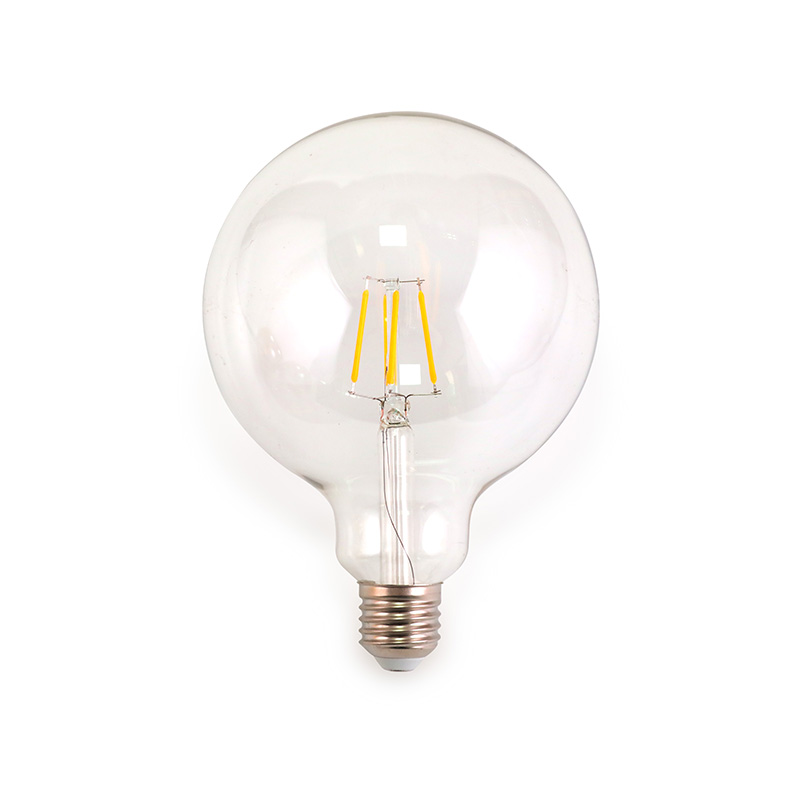
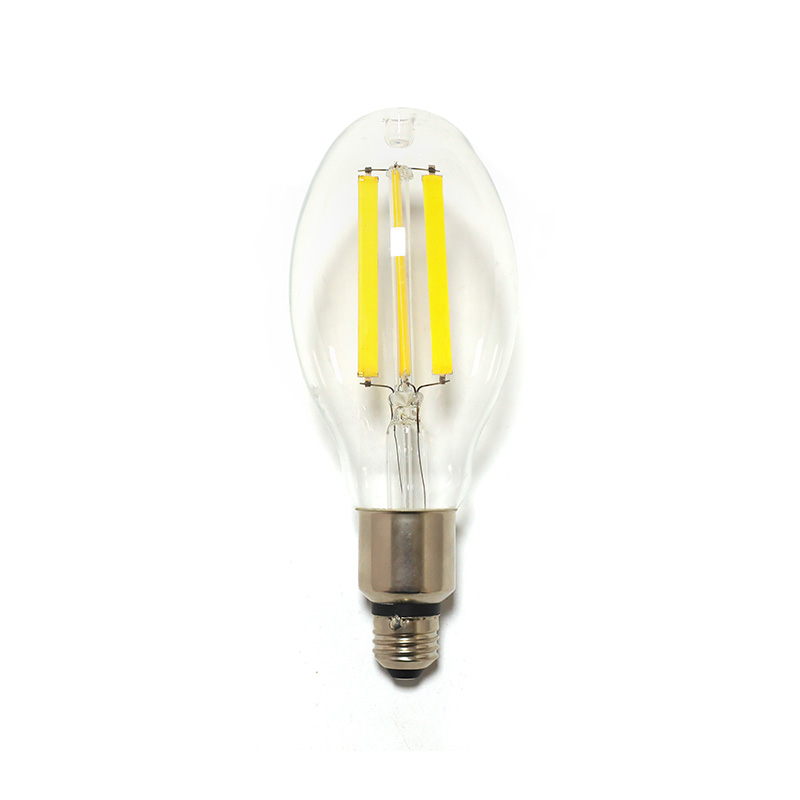
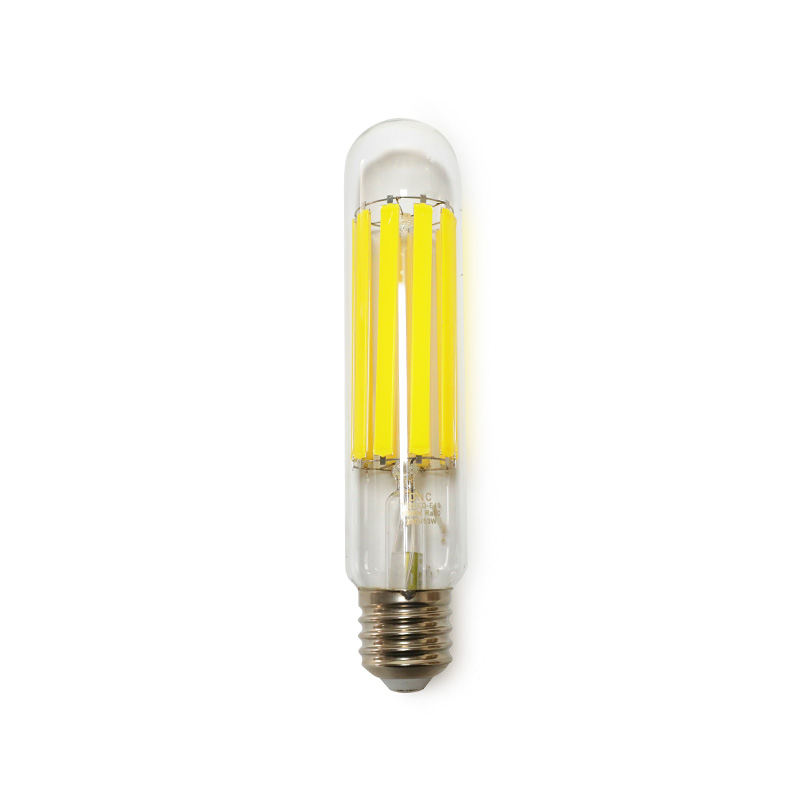
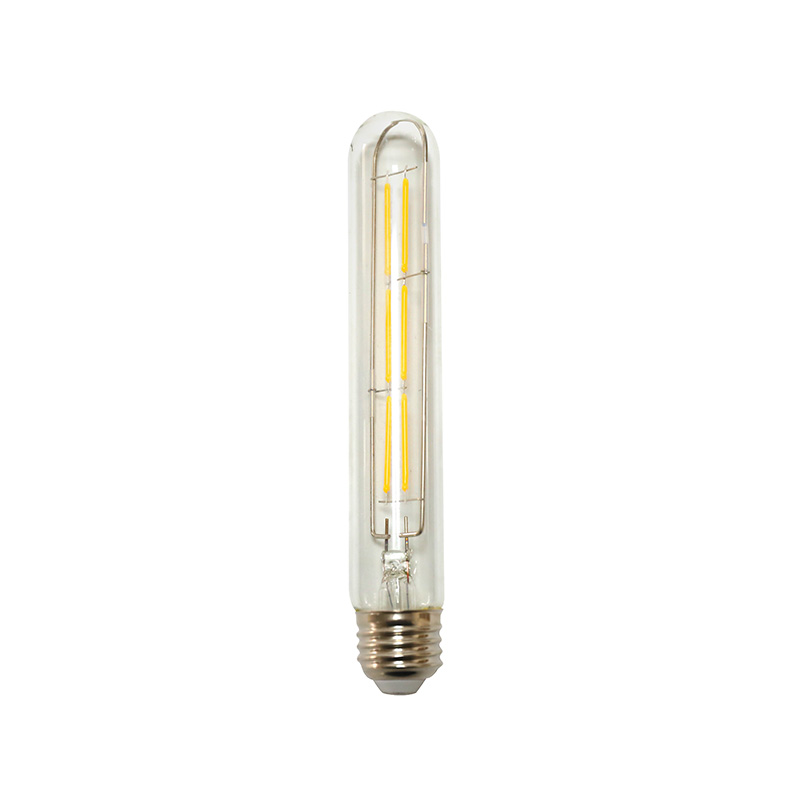
- Straight filaments: 2-8 parallel strands for classic Edison appearance
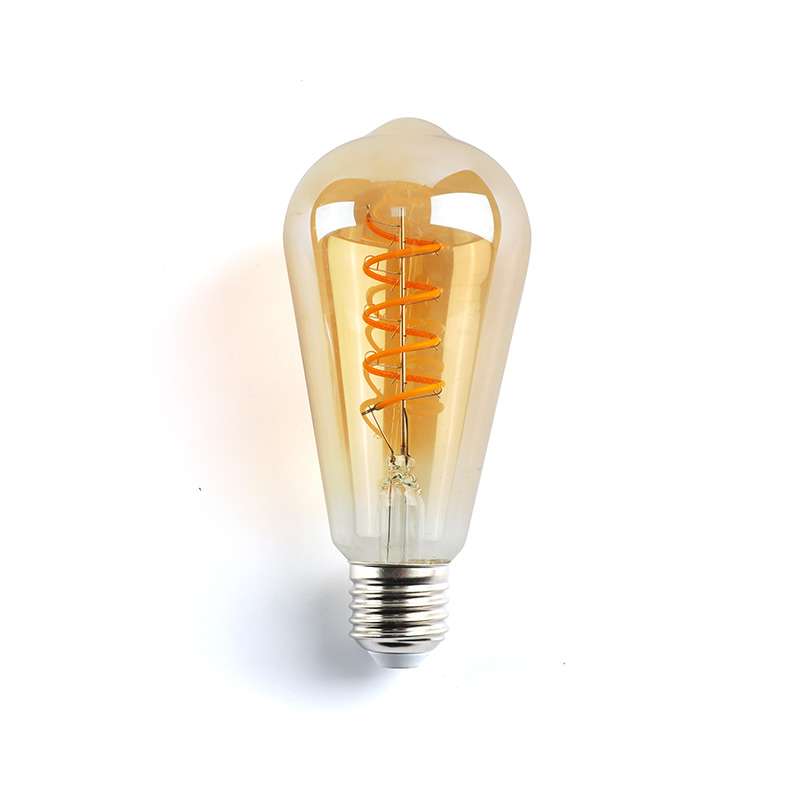
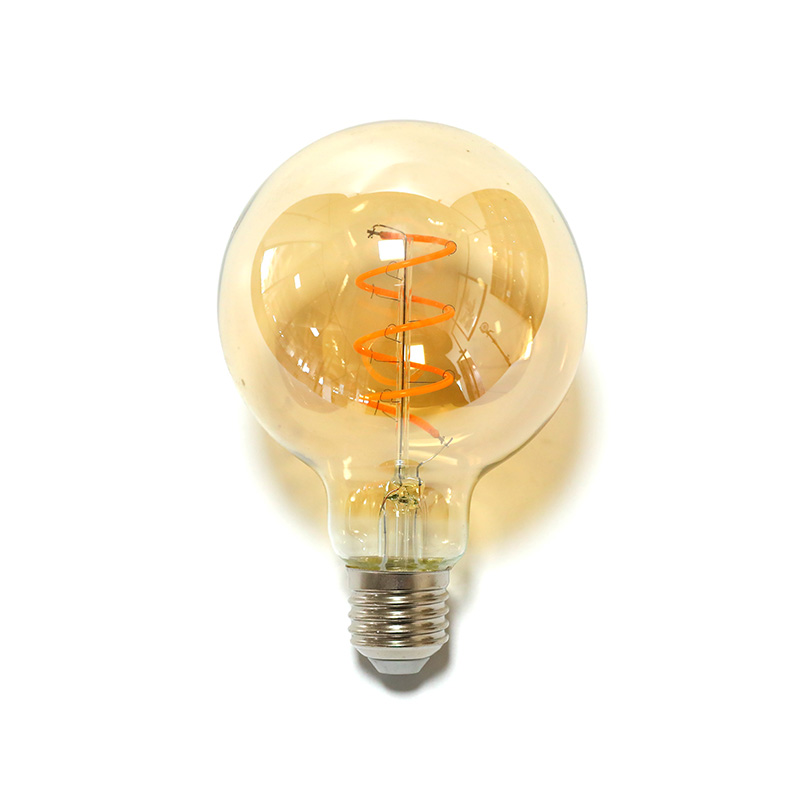
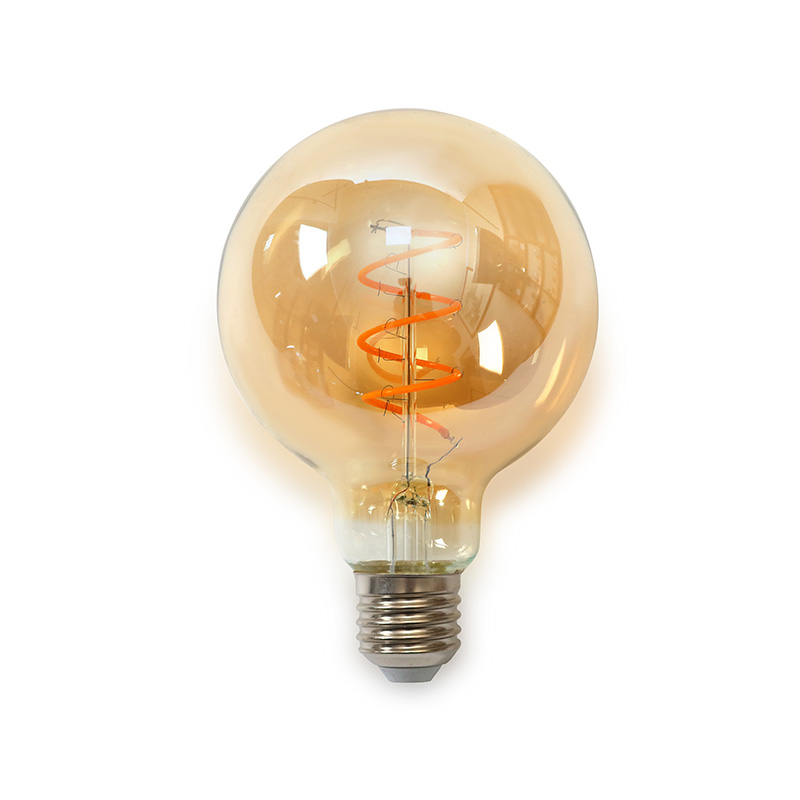
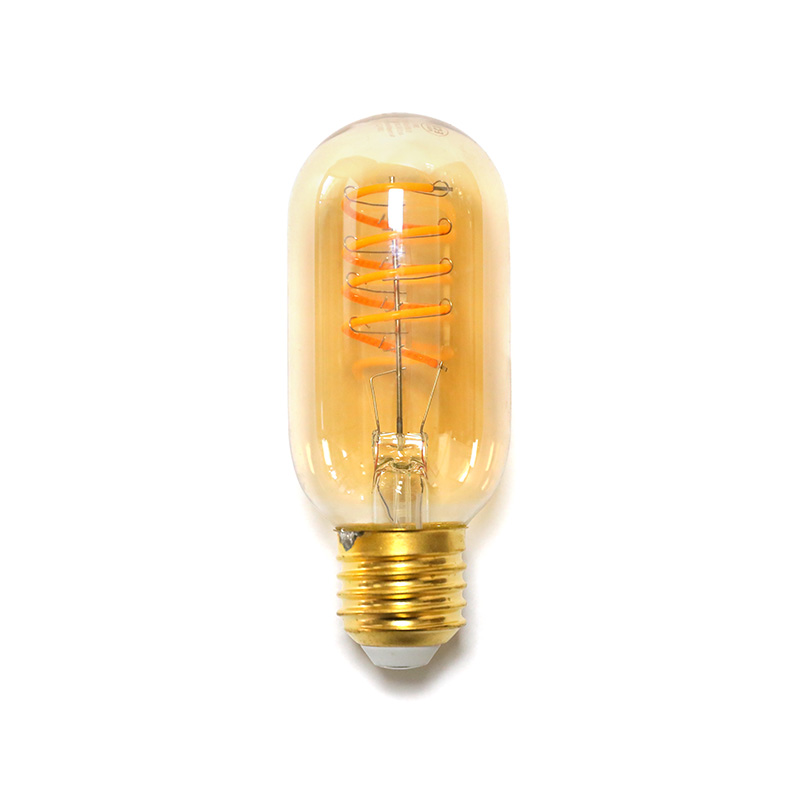
- Spiral filaments: Coiled design mimicking vintage carbon filament bulbs
- Cross or loop filaments: Geometric patterns for decorative emphasis
- Globe-style filaments: Curved arrangements for spherical bulb shapes
Glass envelope options include clear, amber-tinted, or smoked finishes, with amber glass providing the warmest visual appearance at 1800-2200K color temperature, closely matching antique incandescent bulbs.
Common Applications and Use Cases
LED filament bulbs excel in environments where lighting serves both functional and aesthetic purposes.
Residential Settings
- Open pendant fixtures over kitchen islands or dining tables
- Bedside lamps with exposed bulbs or clear glass shades
- Bathroom vanity lighting where bulbs are visible in mirror reflection
- Chandeliers and decorative ceiling fixtures
Commercial Environments
- Restaurant and café ambient lighting to create warm atmosphere
- Retail displays emphasizing vintage or artisanal branding
- Hotel lobbies and boutique hospitality spaces
- Office spaces with industrial or loft-style design themes
A survey of interior designers in 2024 found that 68% prefer LED filament bulbs for projects emphasizing modern industrial, farmhouse, or transitional design styles.
Selection Criteria and Specifications
Choosing the appropriate LED filament bulb requires understanding several technical specifications beyond wattage equivalence.
Critical Specifications
- Lumens: Actual light output (800 lumens equals 60W incandescent)
- Color Temperature: 2200K for warm amber glow, 2700K for standard warm white, 3000K for neutral white
- CRI (Color Rendering Index): Look for CRI 80+ for accurate color representation, 90+ for premium applications
- Dimmability: Verify compatibility with existing dimmer switches; not all LED filament bulbs support dimming
- Beam Angle: 300-330 degrees typical for omnidirectional lighting
For dimming applications, ensure the bulb specifically states "dimmable" and check compatibility with your dimmer type. Traditional incandescent dimmers may require minimum load adjustments or replacement with LED-compatible models to prevent flickering.
Limitations and Considerations
While LED filament bulbs offer numerous advantages, certain applications may require alternative lighting solutions.
Situations Where Alternatives May Be Better
- Enclosed fixtures: Heat buildup can shorten lifespan; choose bulbs rated for enclosed use
- High-vibration environments: Filament structure may be more fragile than solid-state LED arrays
- Outdoor applications: Verify IP rating for moisture resistance; not all models are weather-rated
- Task lighting: Higher lumen output per watt available from standard LED bulbs for work areas
The average LED filament bulb achieves 90-110 lumens per watt, while top-tier standard LED bulbs can reach 130-150 lumens per watt, making conventional LEDs more efficient for applications prioritizing maximum light output over aesthetics.
Cost Analysis and Long-Term Value
The initial investment in LED filament bulbs ranges from $5-15 per bulb depending on quality and features, compared to $1-2 for incandescent bulbs. However, the total cost of ownership tells a different story.
| Expense Category | LED Filament | Incandescent |
|---|---|---|
| Initial Purchase | $50 | $10 |
| Replacement Bulbs | $0 | $180 |
| Electricity Cost | $130 | $1,190 |
| Total 10-Year Cost | $180 | $1,380 |
This represents a $1,200 savings over 10 years, with the LED filament bulbs achieving payback within 12-18 months in typical residential use scenarios.
Environmental Impact and Sustainability
Beyond economic benefits, LED filament bulbs contribute to reduced environmental footprint through lower energy consumption and extended product lifespan.
A single LED filament bulb replacing a 60W incandescent over its lifetime prevents approximately 450 kg of CO₂ emissions, equivalent to driving a gasoline vehicle 1,800 kilometers. The extended lifespan also reduces waste, with one LED filament bulb replacing 15-25 incandescent bulbs that would otherwise enter landfills.
Unlike compact fluorescent lamps (CFLs), LED filament bulbs contain no mercury and can be disposed of with regular household waste, though recycling programs exist for recovering valuable materials like aluminum, copper, and rare earth elements from the driver circuitry.