 English
 русский
Content
- 1 Why LED Bulbs Are the Best Choice for Modern Lighting
- 2 Understanding Lumens vs Watts When Buying LED Bulbs
- 3 Choosing the Right LED Color Temperature
- 4 LED Bulb Lifespan and Long-Term Cost Savings
- 5 LED vs Incandescent and CFL Lighting
- 6 Smart LED Bulbs and Modern Lighting Control
- 7 Best LED Bulbs for Different Rooms
- 8 Common LED Bulb Problems and Solutions
- 9 Environmental Benefits of LED Lighting
- 10 How to Maximize Energy Savings with LED Bulbs
Why LED Bulbs Are the Best Choice for Modern Lighting
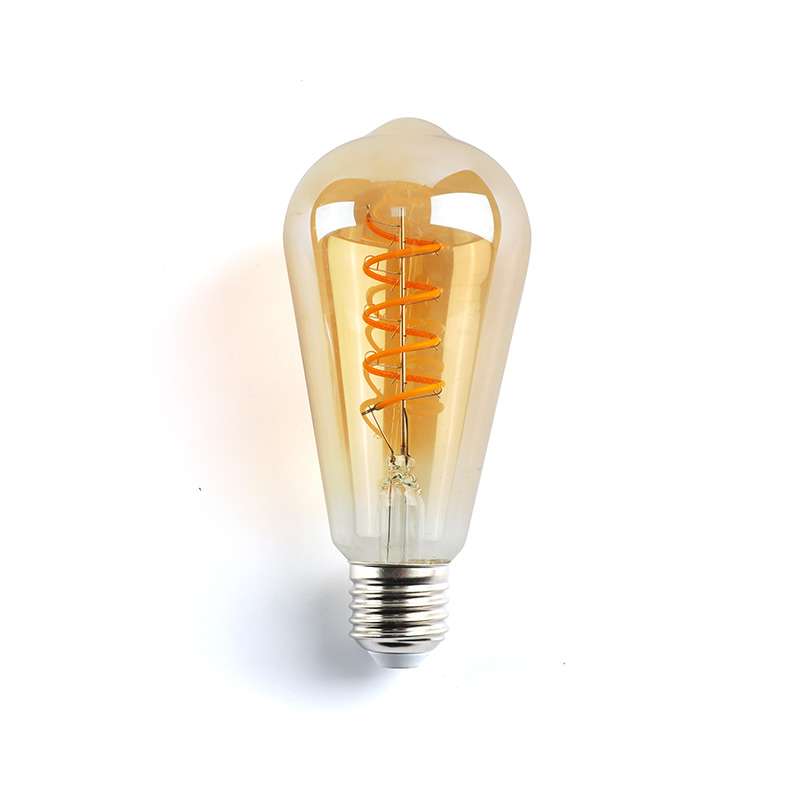
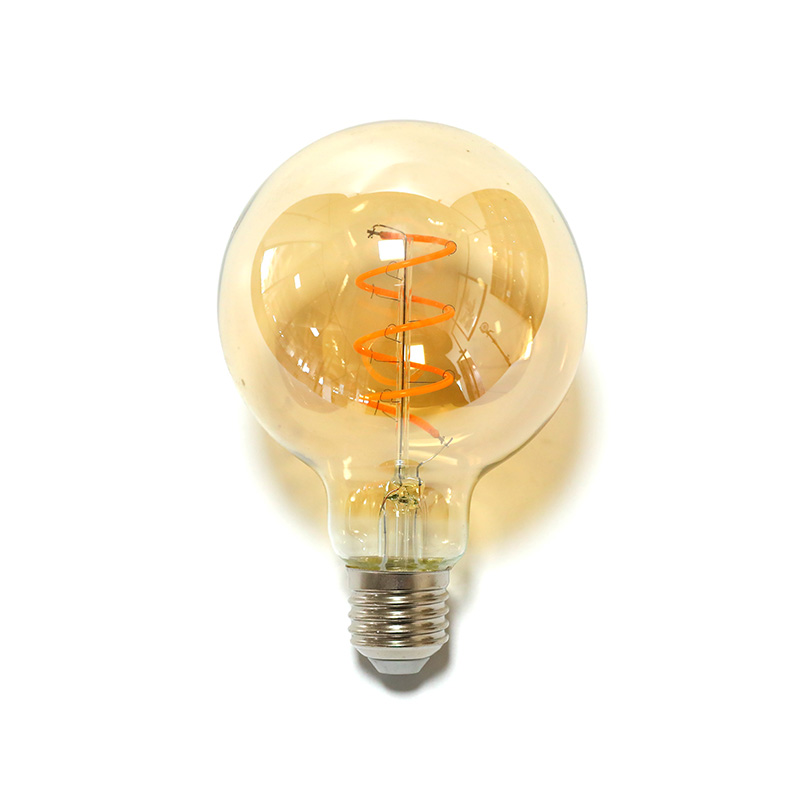
LED bulbs have become the gold standard for energy efficient lighting in homes, offices, and commercial spaces. Unlike traditional incandescent bulbs that waste most of their energy as heat, LED light bulbs convert electricity directly into light using semiconductor technology. This makes them far more efficient, longer lasting, and environmentally friendly.
One of the main reasons homeowners switch to LED lighting is the dramatic reduction in electricity bills. LEDs use up to 80% less energy while providing the same brightness as older bulb types. Combined with their long lifespan, this results in substantial cost savings over time.
Understanding Lumens vs Watts When Buying LED Bulbs
When shopping for LED bulbs, many people still focus on wattage, even though brightness is measured in lumens. Watts indicate how much power a bulb uses, while lumens show how much light it produces. LED technology delivers high lumen output using very little power.
| Traditional Bulb Watts | LED Equivalent Watts | Approximate Lumens |
| 40W | 6W | 450 lm |
| 60W | 9W | 800 lm |
| 100W | 15W | 1600 lm |
Focusing on lumens ensures you get the brightness you need while enjoying lower energy consumption.
Choosing the Right LED Color Temperature
LED bulbs come in a variety of color temperatures measured in Kelvins (K). This affects how warm or cool the light appears and plays a major role in comfort and functionality.
- Warm white (2700K–3000K): Ideal for bedrooms and living rooms
- Neutral white (3500K–4100K): Great for kitchens and workspaces
- Cool daylight (5000K–6500K): Best for garages, offices, and task lighting
Selecting the correct color temperature improves mood, productivity, and overall room appearance.
LED Bulb Lifespan and Long-Term Cost Savings
One of the most attractive benefits of LED bulbs is their impressive lifespan. While incandescent bulbs last about 1,000 hours and CFLs around 8,000 hours, most LED light bulbs last between 25,000 and 50,000 hours.
Over a decade of normal use, this can eliminate dozens of bulb replacements. Combined with reduced energy usage, homeowners often recover the higher upfront cost of LEDs within one to two years.
LED vs Incandescent and CFL Lighting
When comparing lighting options, LEDs outperform older technologies in nearly every category.
- Lower energy consumption
- Longer operational life
- Instant full brightness
- No mercury or harmful gases
While CFL bulbs were once promoted as energy savers, LEDs have surpassed them in efficiency, safety, and durability.
Smart LED Bulbs and Modern Lighting Control
Smart LED bulbs integrate with home automation systems, allowing users to control brightness, color, and schedules through smartphone apps or voice assistants. These bulbs can dim automatically at night, change colors for ambiance, and turn off when rooms are unoccupied.
By optimizing usage patterns, smart lighting can further reduce energy waste while improving convenience.
Best LED Bulbs for Different Rooms
Living Areas
Warm white LED bulbs with dimming capability create a cozy atmosphere while saving power.
Kitchens and Bathrooms
Neutral or cool white LEDs provide clearer visibility for cooking and grooming tasks.
Outdoor Spaces
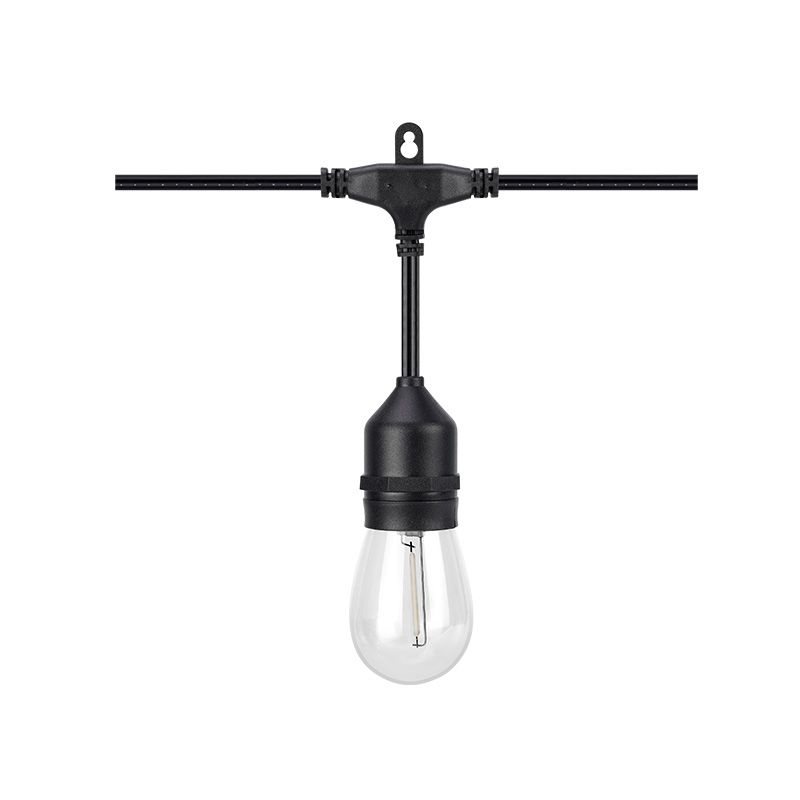
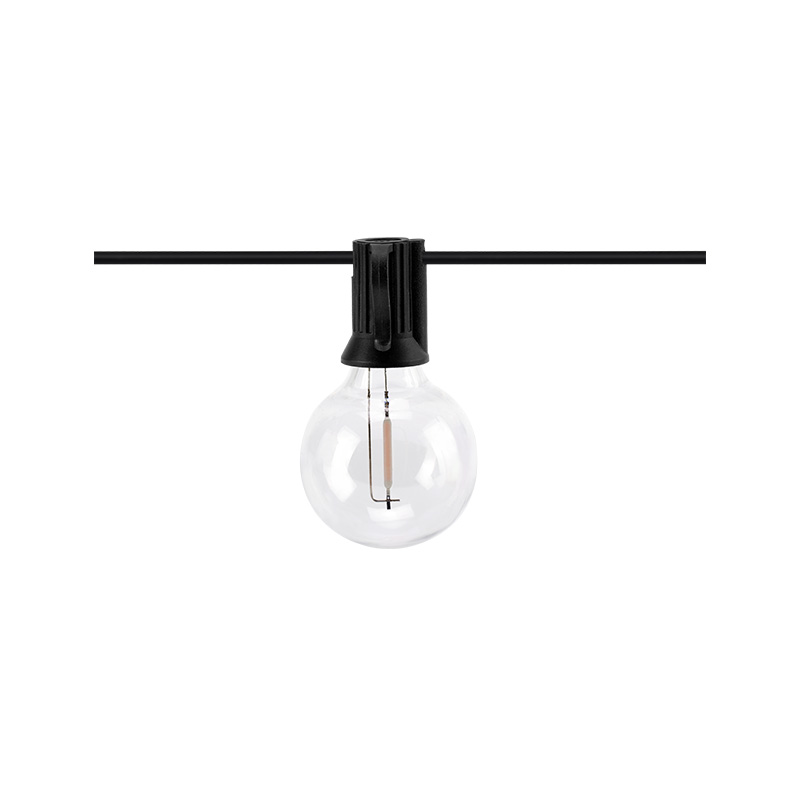
Weather-resistant LED bulbs offer bright illumination for security and landscape lighting with minimal energy use.
Common LED Bulb Problems and Solutions
Some users experience flickering, dimming issues, or compatibility problems with older fixtures. These are usually caused by incompatible dimmer switches or low-quality power supplies.
Upgrading to LED-compatible dimmers and choosing reputable bulb brands typically resolves these issues quickly.
Environmental Benefits of LED Lighting
LED bulbs significantly reduce carbon emissions by consuming less electricity. Since they do not contain hazardous materials like mercury, disposal is safer and recycling programs are expanding worldwide.
Switching an entire household to LED lighting can cut hundreds of pounds of CO₂ emissions annually.
How to Maximize Energy Savings with LED Bulbs
- Replace high-use bulbs first
- Use motion sensors and timers
- Select proper lumen levels for each room
- Combine LEDs with natural daylight where possible
With thoughtful placement and smart usage, LED bulbs can dramatically reduce energy consumption without sacrificing comfort or brightness.