 English
 русский
Content
- 1 The Right Light Bulb Makes a Real Difference
- 2 Types of Light Bulbs and How They Compare
- 3 Lumens vs Watts: What You Should Actually Look At
- 4 Color Temperature Explained
- 5 Choosing the Right Bulb for Each Room
- 6 Understanding Bulb Shapes and Base Types
- 7 Dimmable Bulbs: What to Know Before You Buy
- 8 How Much Money Do LED Bulbs Actually Save
- 9 Smart Bulbs and What They Offer
- 10 Proper Disposal of Old Bulbs
The Right Light Bulb Makes a Real Difference
LED bulbs are the best choice for most homes today — they use up to 80 percent less energy than traditional incandescent bulbs, last 15 to 25 times longer, and produce far less heat. Whether you are replacing a single burned-out bulb or upgrading every fixture in your home, understanding how light bulbs work and what the numbers on the packaging actually mean will save you money and help you avoid buying the wrong thing.
This guide covers the key differences between bulb types, how to read lumens and color temperature, and practical tips for choosing the right bulb for each room.
Types of Light Bulbs and How They Compare
There are four main types of light bulbs still in use today. Each has different strengths, costs, and ideal applications.
LED (Light Emitting Diode)
LED bulbs are now the standard for residential and commercial use. A typical LED bulb uses 8 to 10 watts to produce the same brightness as a 60-watt incandescent. With an average lifespan of 15,000 to 25,000 hours, an LED used for 3 hours a day can last over 20 years. Their upfront cost is higher, but the long-term savings on electricity and replacement make them far more economical.
CFL (Compact Fluorescent Lamp)
CFLs were the energy-saving solution before LEDs became affordable. They use about 13 to 15 watts to match a 60-watt incandescent and last around 8,000 to 10,000 hours. They contain a small amount of mercury, which means they require careful disposal. Most households that still use CFLs are gradually replacing them with LEDs.
Incandescent
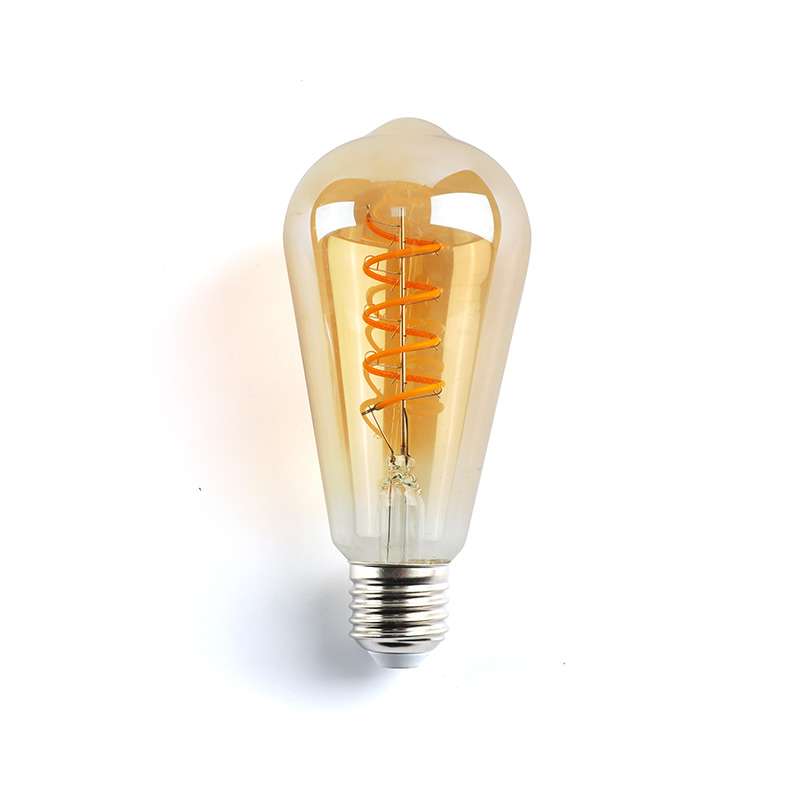
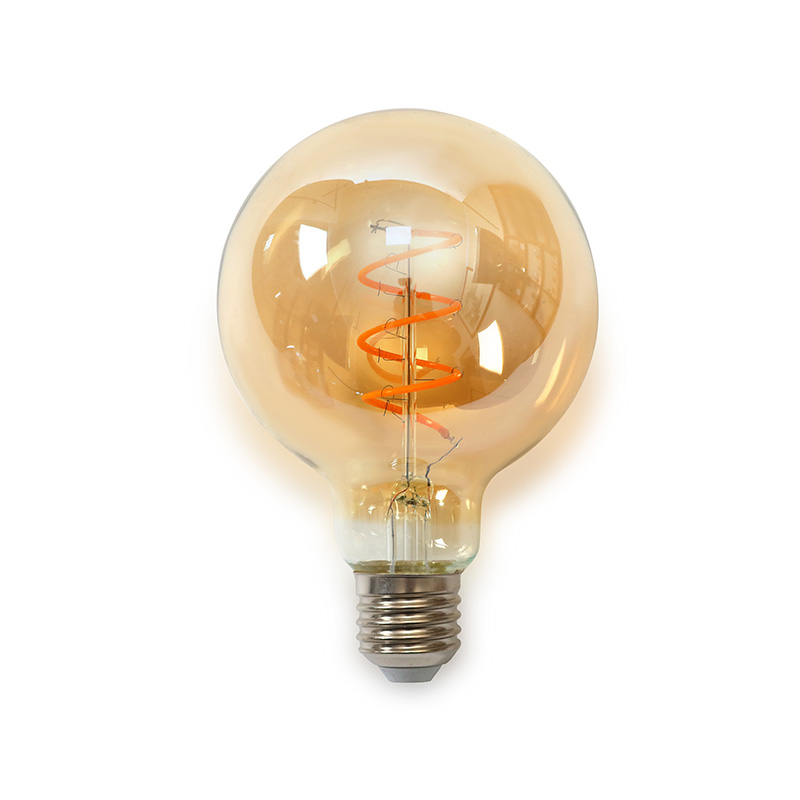
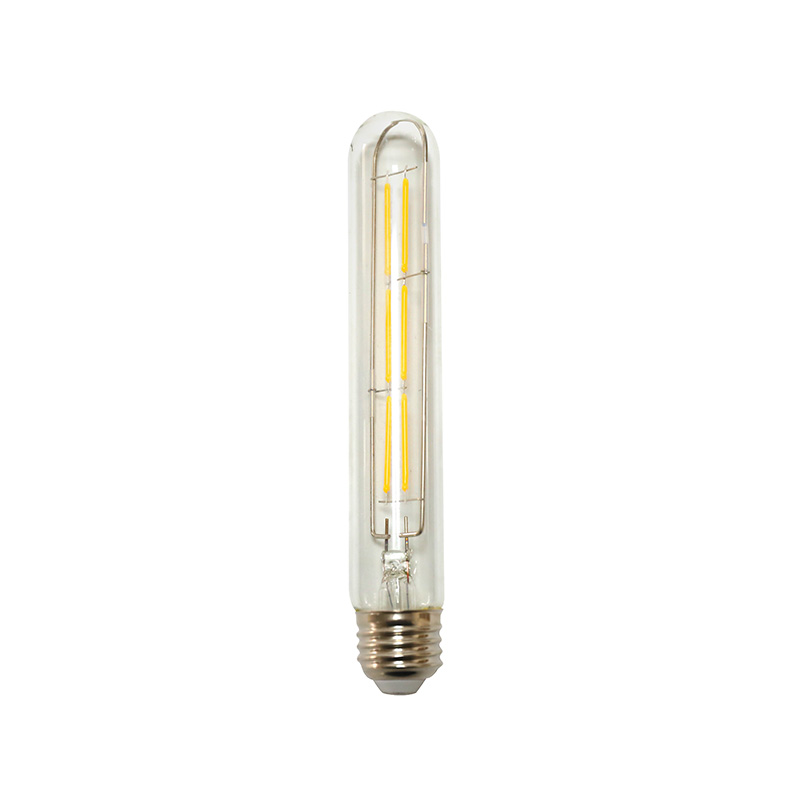
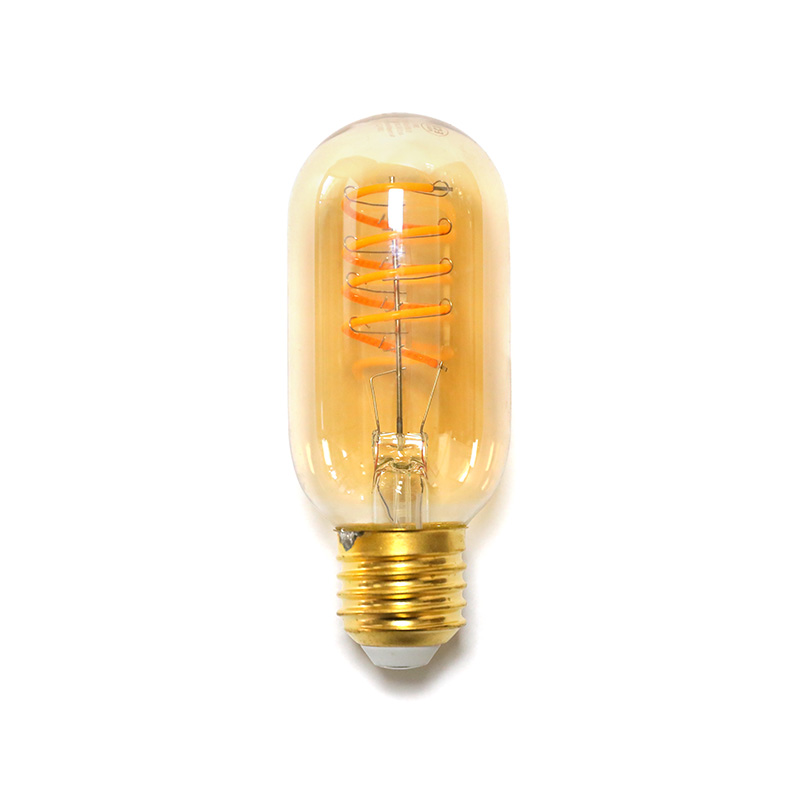
The original electric light bulb, incandescents produce light by heating a wire filament until it glows. They use the most energy of all bulb types and typically last only 750 to 1,000 hours. Most countries have phased out standard incandescent bulbs due to their inefficiency. They are still available in specialty forms, such as decorative Edison-style bulbs.
Halogen
Halogens are an improved version of incandescents, running slightly more efficiently and lasting around 2,000 hours. They produce a very crisp, white light that makes them popular for task lighting, under-cabinet fixtures, and display lighting. However, they run very hot and consume considerably more energy than LEDs for equivalent brightness.
| Bulb Type | Watts (60W equiv.) | Average Lifespan | Energy Efficiency | Best Use |
|---|---|---|---|---|
| LED | 8 to 10W | 15,000 to 25,000 hrs | Excellent | All rooms, general use |
| CFL | 13 to 15W | 8,000 to 10,000 hrs | Good | Older fixtures |
| Incandescent | 60W | 750 to 1,000 hrs | Poor | Decorative only |
| Halogen | 43 to 53W | 2,000 hrs | Fair | Task and display lighting |
Lumens vs Watts: What You Should Actually Look At
One of the most common mistakes people make when buying light bulbs is shopping by watts. Watts measure energy use, not brightness. The correct measurement for brightness is lumens.
Here is a quick reference for converting the familiar wattage of incandescent bulbs into lumens:
- 40 watts is roughly equal to 450 lumens
- 60 watts is roughly equal to 800 lumens
- 75 watts is roughly equal to 1,100 lumens
- 100 watts is roughly equal to 1,600 lumens
When shopping for an LED replacement for a 60-watt incandescent, look for a bulb rated at 800 lumens. The wattage of the LED itself (likely 8 to 10 watts) is not a helpful guide to brightness.
Color Temperature Explained
Color temperature, measured in Kelvin (K), describes whether light appears warm (yellowish) or cool (bluish-white). It has a significant impact on the look and feel of a room.
Warm White (2700K to 3000K)
This range produces a soft, yellowish light similar to traditional incandescent bulbs. It is the most popular choice for living rooms, bedrooms, and dining areas where a relaxed, cozy atmosphere is desired. 2700K is the closest match to the warm glow of a classic incandescent.
Cool White or Neutral White (3500K to 4100K)
This middle range feels clean and bright without being harsh. It works well in kitchens, bathrooms, and home offices where clarity and visibility matter more than ambiance.
Daylight (5000K to 6500K)
Daylight bulbs mimic natural outdoor light and are the brightest-feeling option. They are commonly used in garages, workspaces, reading nooks, and anywhere that requires high visual accuracy, such as crafting or art studios. Research suggests that exposure to light in the 5000K to 6500K range can increase alertness, making it a practical choice for work environments but less suitable for bedrooms.
Choosing the Right Bulb for Each Room
Different rooms have different lighting needs. The same bulb that works perfectly in a bathroom may feel cold and sterile in a bedroom. Here is a practical room-by-room guide:
Living Room
Aim for layered lighting using a mix of overhead fixtures and lamps. Use warm white bulbs (2700K to 3000K) at 800 to 1,600 lumens for overhead lighting and lower-lumen bulbs for accent lamps. Dimmable LEDs work especially well here.
Kitchen
Kitchens benefit from brighter, neutral to cool white light (3000K to 4000K) to help with food preparation and visibility. For under-cabinet lighting, look for strip LED fixtures rated at 300 to 500 lumens per foot to adequately illuminate countertops.
Bedroom
Soft, warm light (2700K) helps signal the body to wind down. Keep lumens low — around 400 to 800 lumens for general lighting — and use a bedside lamp with even lower output for reading before sleep. Avoid daylight bulbs in bedrooms, as they can interfere with melatonin production.
Bathroom
Good lighting for grooming and makeup requires accurate color rendering. Look for bulbs with a Color Rendering Index (CRI) of 90 or above and a color temperature between 3000K and 4000K. Placing lights on the sides of a mirror rather than directly overhead reduces shadows on the face.
Home Office
A neutral to daylight bulb (4000K to 5000K) supports focus and reduces eye strain during long work sessions. Aim for at least 1,000 to 1,500 lumens for general overhead lighting and supplement with a dedicated desk lamp.
Understanding Bulb Shapes and Base Types
Not all bulbs fit all fixtures. Before buying, it helps to understand the two main variables: shape and base type.
Common Bulb Shapes
- A19 — The standard pear-shaped bulb used in most table lamps and ceiling fixtures
- BR30 / BR40 — Wider reflector bulbs used in recessed can fixtures
- PAR — Parabolic reflector bulbs used for directional spotlighting
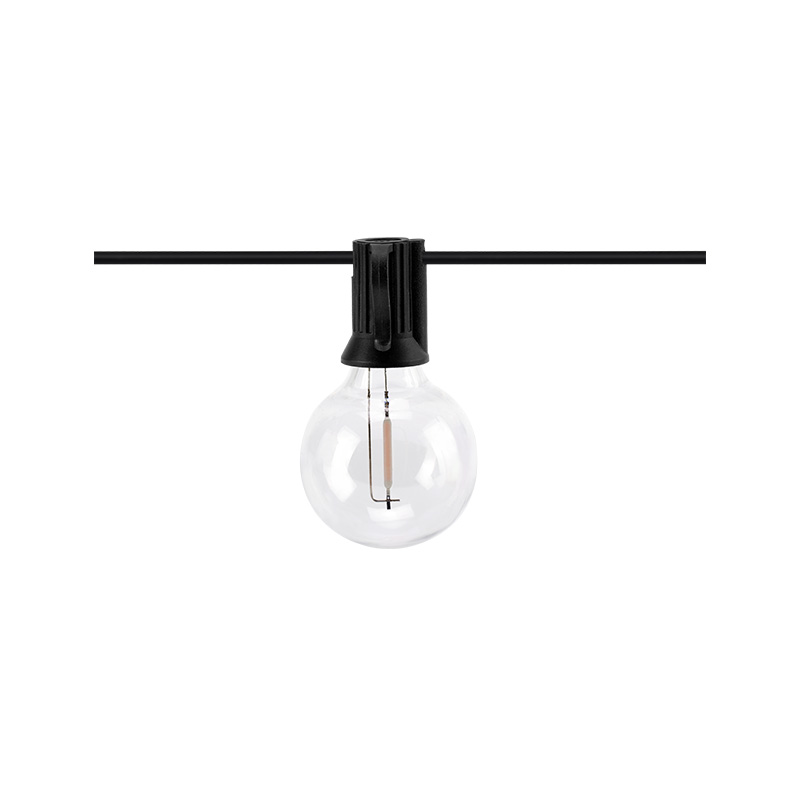
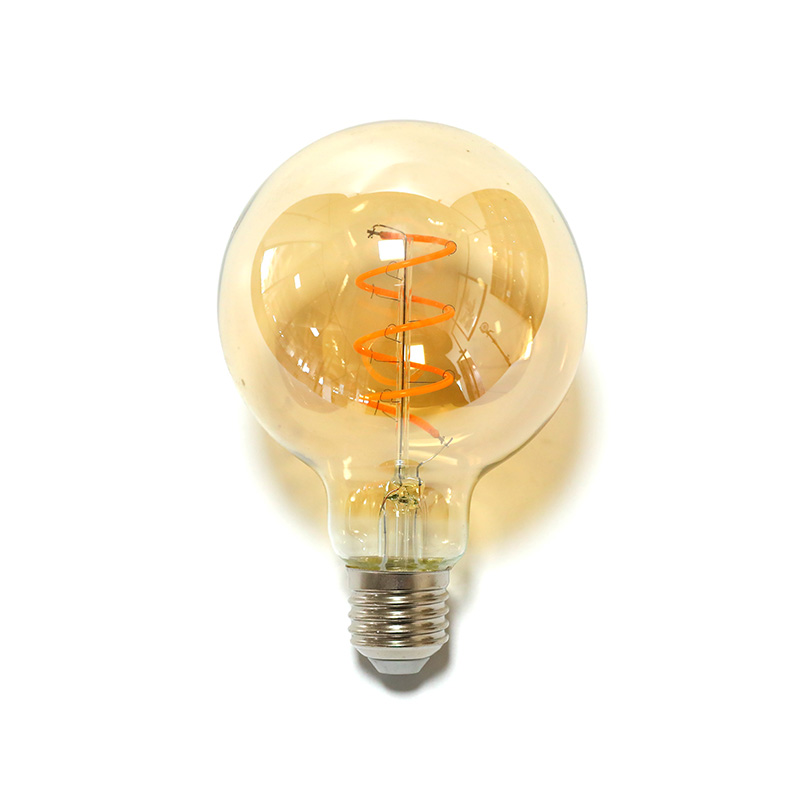
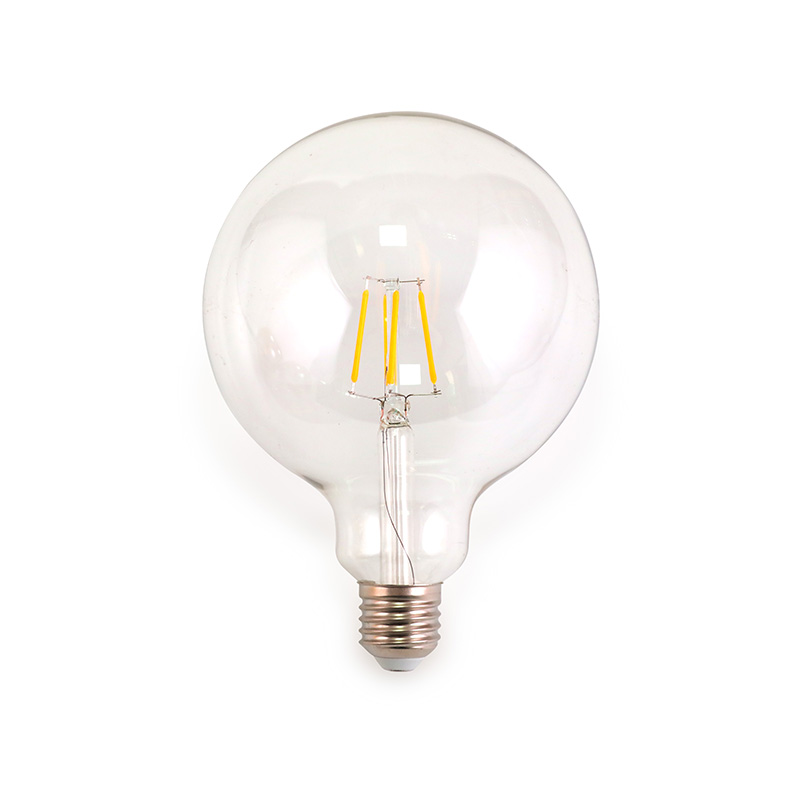
- G (Globe) — Round bulbs used in vanity strips and pendant lights
- Candelabra (B or CA) — Small flame-shaped bulbs used in chandeliers and decorative fixtures
Base Types
The base is the part that screws or pins into the fixture. The most common in North American homes is the E26 medium screw base, used in standard A19 bulbs. Smaller candelabra fixtures use an E12 base. Pin-base bulbs (GU10, G4, G9) are common in specialty and track lighting. Always check your fixture before purchasing a replacement.
Dimmable Bulbs: What to Know Before You Buy
Not all LED bulbs are compatible with dimmer switches. Using a non-dimmable LED on a dimmer circuit can cause flickering, buzzing, or premature failure. Before purchasing, check the packaging for the word dimmable.
Equally important is the dimmer switch itself. Many older dimmer switches were designed for incandescent bulbs and do not work correctly with LEDs. LED-compatible dimmer switches are widely available and are a worthwhile upgrade if you are switching to dimmable LEDs throughout your home. Look for dimmers that list a minimum load rating — some LED bulbs draw so little power that older dimmers cannot register them correctly at low settings.
How Much Money Do LED Bulbs Actually Save
The savings from switching to LED bulbs are substantial over time. Consider a single light fixture used for an average of 3 hours per day:
- A 60-watt incandescent uses 65.7 kilowatt-hours (kWh) per year
- An equivalent 9-watt LED uses 9.9 kWh per year
- At an average electricity rate of 16 cents per kWh, the LED saves roughly 8.90 dollars per bulb per year
In a home with 30 light fixtures, that adds up to over 260 dollars in annual savings. Over the lifetime of a single LED bulb, the savings can exceed 100 dollars per socket compared to running incandescents. The US Department of Energy estimates that widespread LED adoption across the country could save more than 348 terawatt-hours of electricity over the next decade.
Smart Bulbs and What They Offer
Smart light bulbs connect to your home Wi-Fi or a dedicated hub and can be controlled via a smartphone app, voice assistant, or automated schedule. They are a type of LED bulb with added wireless communication hardware built in.
Key features to consider include:
- Color tuning — Many smart bulbs can shift between warm white and daylight temperatures, letting you set the right mood at any time of day
- Full color — RGB smart bulbs can display millions of colors, useful for accent lighting and entertainment setups
- Scheduling and automation — Set bulbs to turn on or off at specific times, which can improve home security and reduce energy use
- Voice control — Compatible with major voice assistant platforms for hands-free operation
Smart bulbs typically cost more upfront than standard LEDs, but their added functionality can make them a good choice for living rooms, bedrooms, and entertainment spaces. One practical note: smart bulbs require the wall switch to remain in the on position at all times to maintain connectivity — turning off the switch cuts power and disrupts the connection to your app or voice assistant.
Proper Disposal of Old Bulbs
LED and incandescent bulbs can generally be disposed of in household waste in most regions, though recycling them when possible reduces landfill impact. CFL bulbs must never go in regular trash due to their mercury content. Most hardware stores and recycling centers accept CFLs for safe processing. Check your local municipality for drop-off locations.
If a CFL breaks in your home, the US Environmental Protection Agency recommends ventilating the room for at least 15 minutes, carefully collecting the debris without vacuuming (which can spread mercury particles), and sealing it in a plastic bag before disposal at a designated facility.