 English
 русский
The Art and Science of Filament Design
The intricate designs within Home Filament Light Bulbs—the delicate loops, elegant cages, and intricate spirals—are far more than mere decoration. These varied structures are a sophisticated interplay of aesthetic intention, functional engineering, and material science. While the vintage "Edison bulb" look is a universal goal, the specific filament pattern chosen directly impacts the bulb's light quality, character, durability, and even its emotional effect in a space. Understanding these designs moves us from simply seeing a pretty bulb to appreciating it as a crafted component of interior design.
Key Functional Reasons for Design Variation
At its core, a filament is a resistor that glows when electricity passes through. How that resistor (typically tungsten or a carbon-based material) is shaped and supported defines its performance.
Heat Distribution and Longevity
A tightly wound, concentrated filament can create intense local heat, potentially shortening its life. Designs that spread the filament material—like long, looping arcs or evenly spaced cages—dissipate heat more effectively across a larger area within the bulb's envelope. This reduces thermal stress on any single point, contributing to the bulb's promised lifespan of 2,000 to 4,000 hours.
Light Distribution and Shadow Casting
The filament's physical layout is the bulb's primary light source. A compact, spiral filament acts more like a central point of light, while a sprawling, branching design creates multiple light sources within the same glass globe. This fundamentally changes how light fills a room and, crucially, the shadows cast by the filament itself. A complex "birdcage" filament will project a detailed, web-like shadow pattern, adding a dynamic layer to the ambiance.
Aesthetic and Emotional Impact
Manufacturers leverage filament design to evoke specific styles and eras, making the bulb itself a focal point even when unlit.
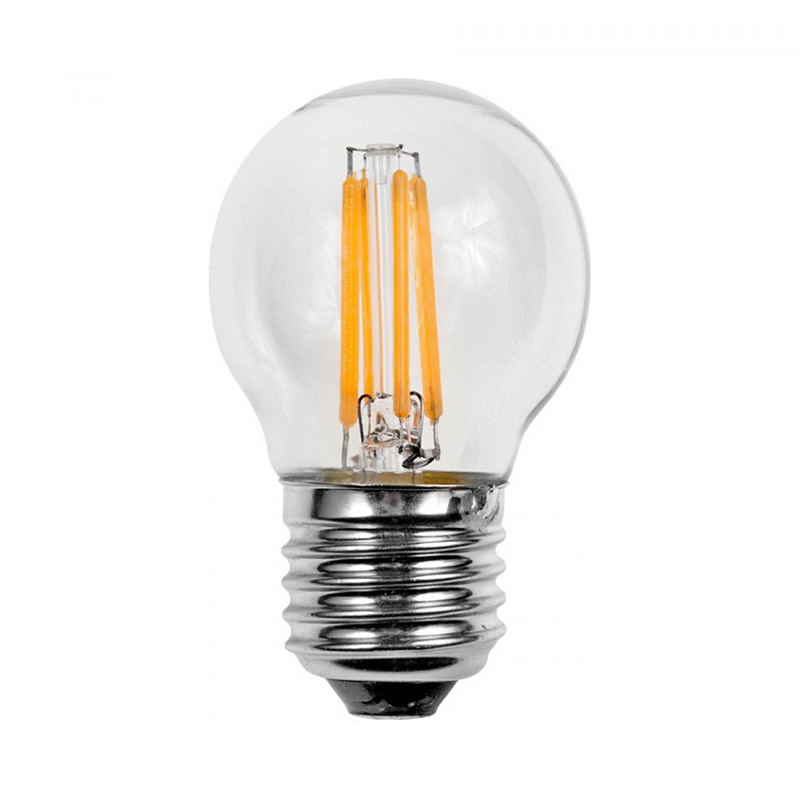
- The Classic Loop (Edison Style): Simple, nostalgic arcs reminiscent of early bulbs. They offer a warm, familiar glow suitable for most vintage-inspired settings.
- The Birdcage or Cage Filament: A complex, three-dimensional structure designed to be viewed from all angles. It creates stunning shadow patterns and is a statement piece in pendant lights over dining tables or in open-floor fixtures.
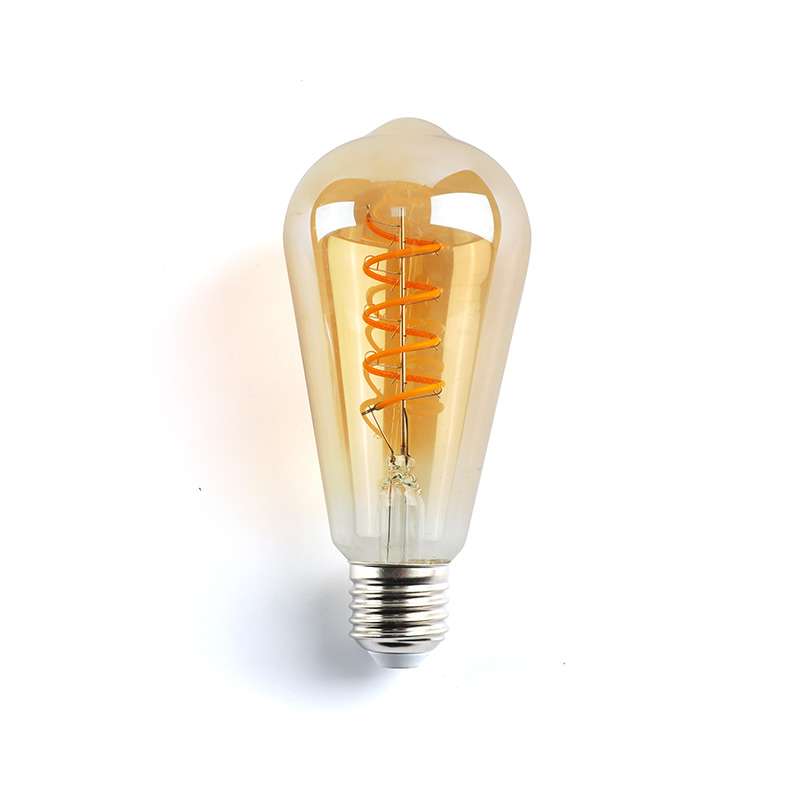
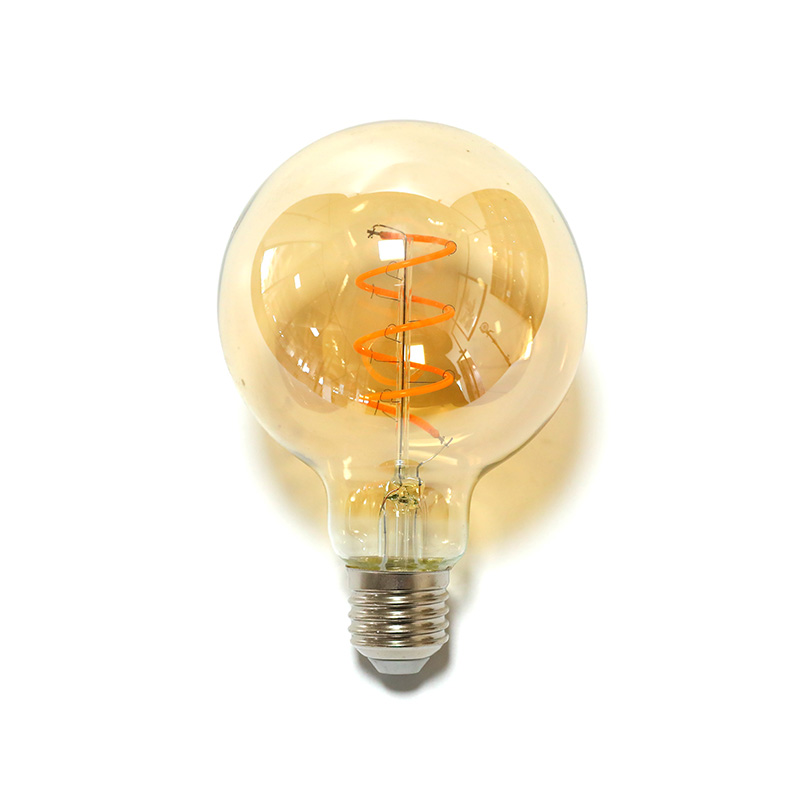
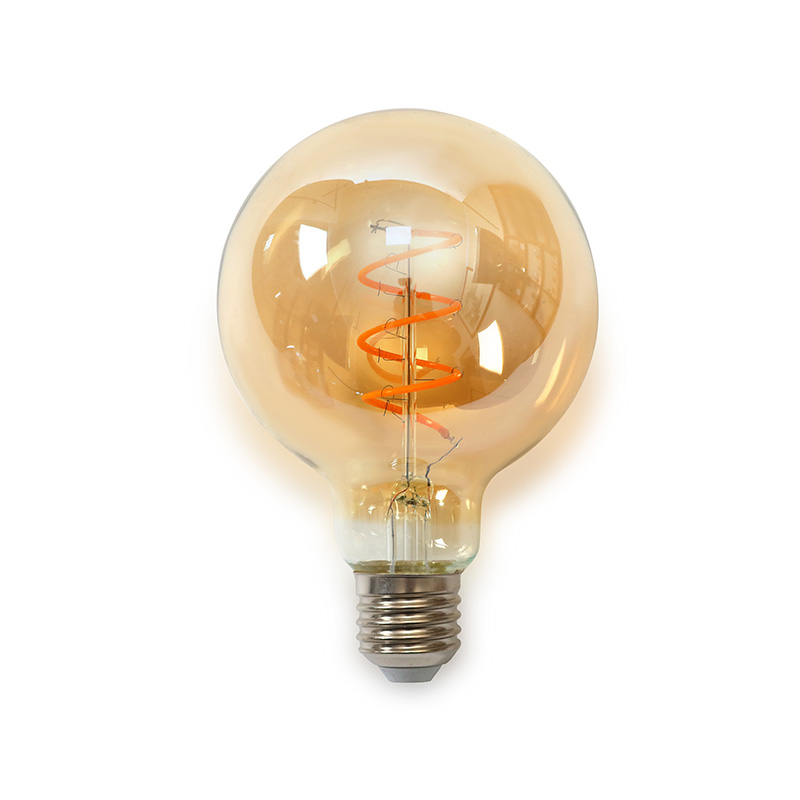
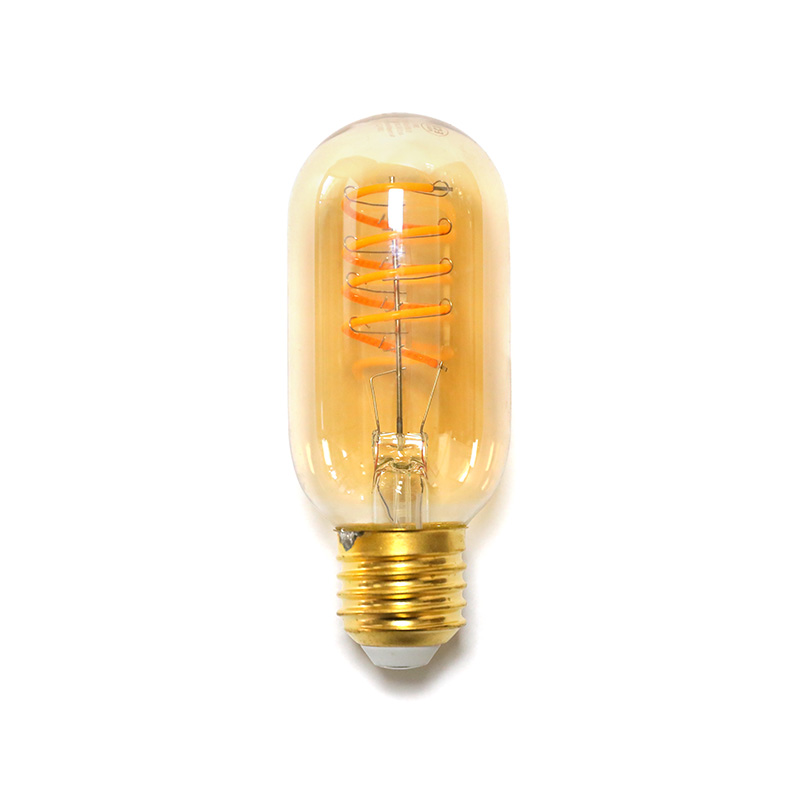
- The Spiral or Helix: A compact, often intense coil. It provides a stronger central glow and a more modern, kinetic feel compared to the relaxed loops of a traditional Edison bulb.
- The Branch or Tree Filament: Mimics the organic form of a tree, with a central "trunk" and spreading "branches." It creates a natural, almost artisanal aesthetic, perfect for rustic or organic modern interiors.
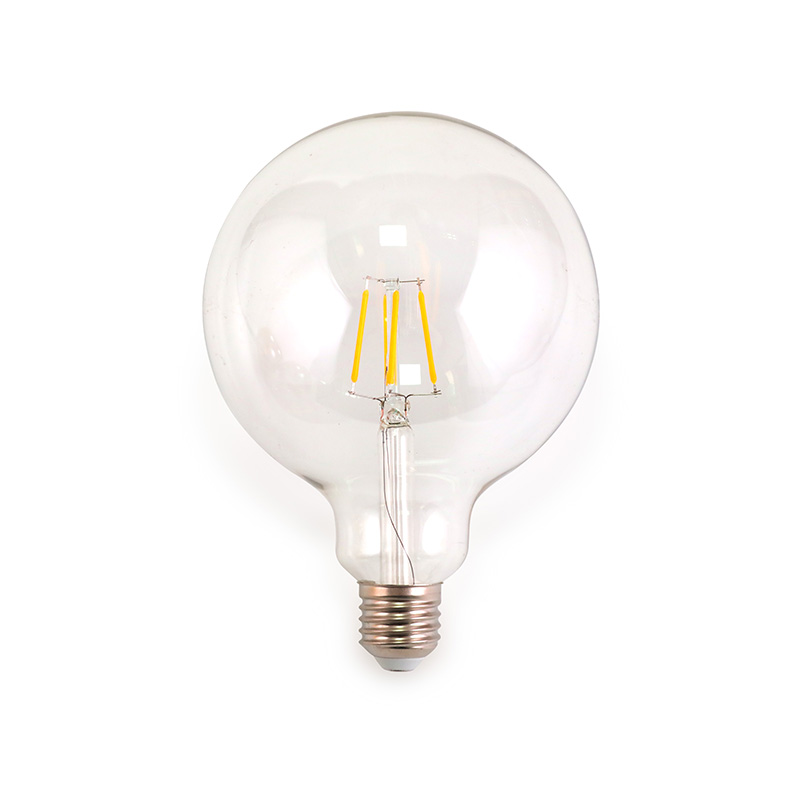
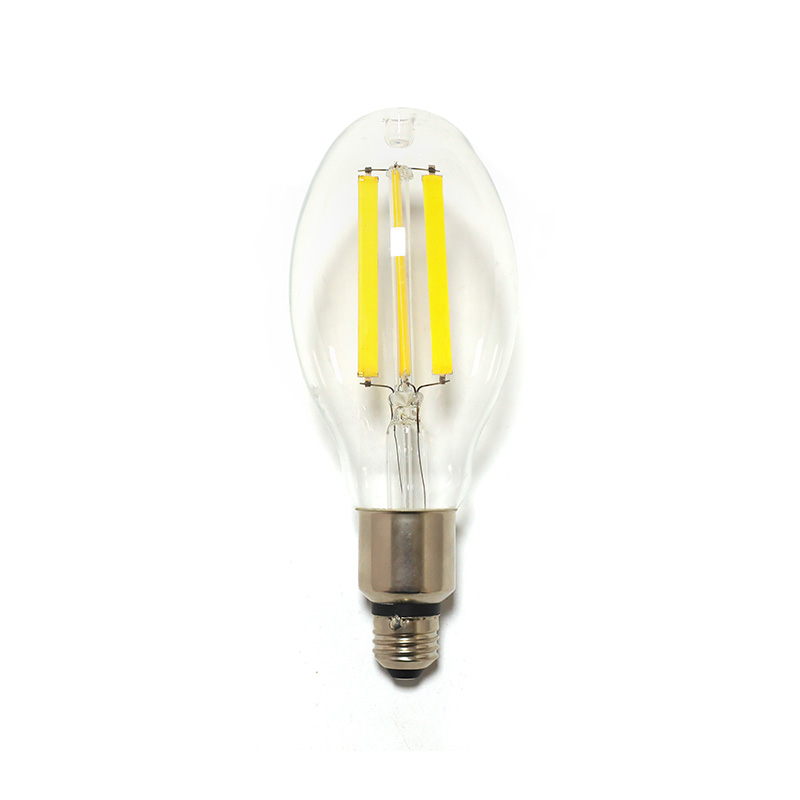
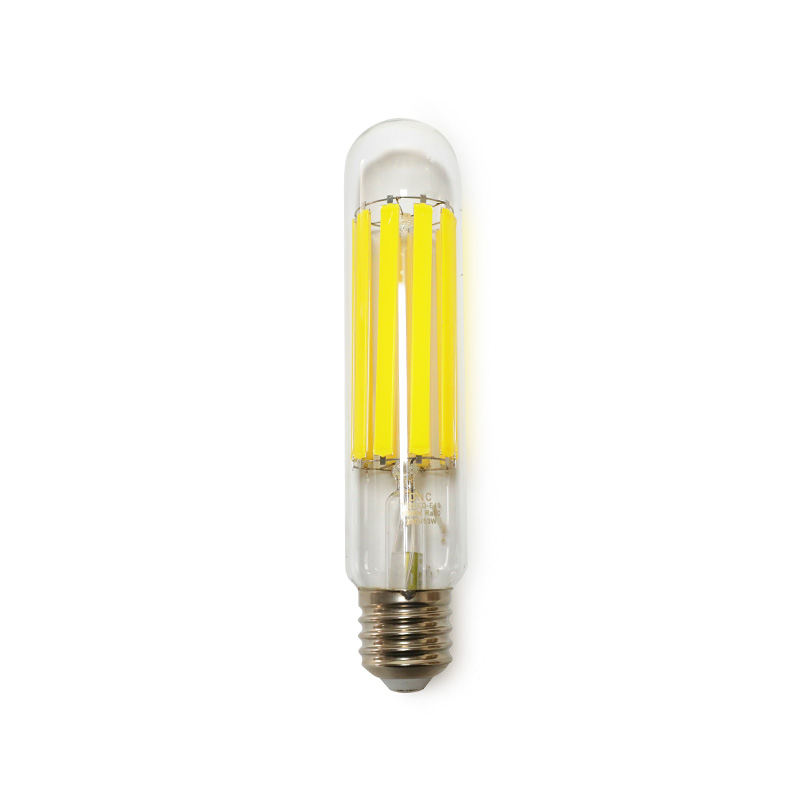
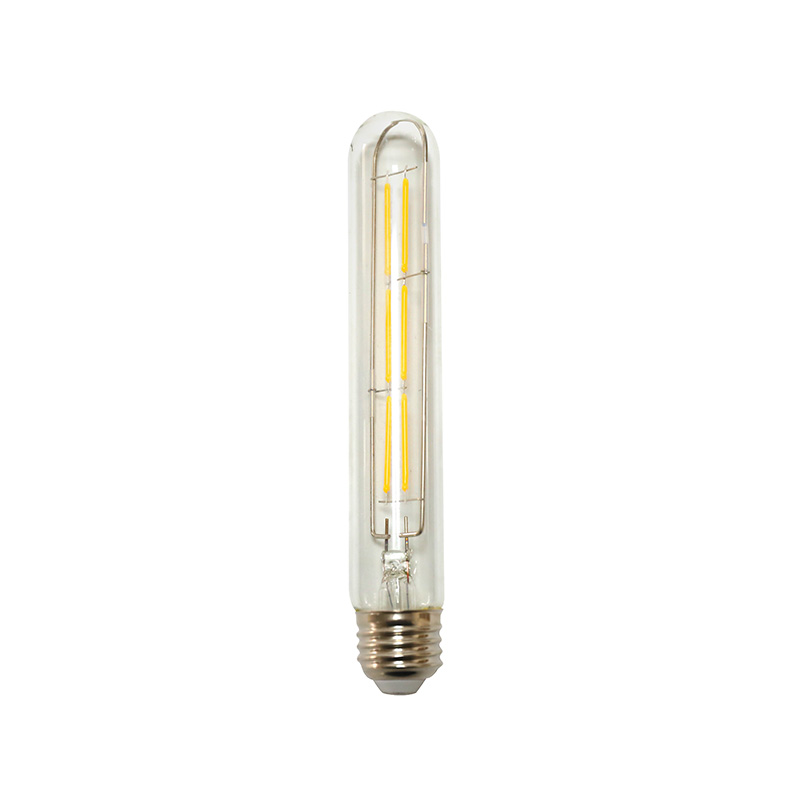
- The Straight Line (Tubular): Offers a minimalist, industrial, or mid-century modern look. Often used in linear clusters, it provides a clean, architectural element.
Choosing the Right Filament for Your Space
Selecting a filament design is a practical decision in enhancing your home's decor. Consider the fixture, the room's function, and the desired mood.
Fixture Compatibility and Viewability
The fixture dictates which filament design will be most effective. A fully enclosed lampshade will hide a beautiful cage filament, rendering its design pointless. Conversely, a clear glass pendant or an open-frame cage light is the perfect showcase for a complex filament.
| Fixture Type | Recommended Filament Style | Reason |
| Clear Glass Pendant | Birdcage, Branch, Elaborate Loop | The design is fully visible from all sides, becoming the sculpture. |
| Industrial Cage Lamp | Spiral, Straight Line, Compact Loop | Provides a strong central glow that contrasts with the fixture's frame. |
| Vintage-Style Sconce | Classic Edison Loop, Short Spiral | Historically accurate, complements the fixture's era-appropriate design. |
| Enclosed or Frosted Globe | Any durable design (choice matters less) | The diffuser softens and hides the specific filament shape; focus on light color. |
Setting the Mood with Light and Shadow
The filament is a built-in light sculptor. A bulb with a single, simple loop casts softer, more uniform shadows. A multi-branch filament turns every surface into a canvas of intricate light and dark patterns, adding drama and texture. For a calming bedroom, simpler filaments may be preferable. For a dynamic living room or dramatic hallway, a complex filament can become a conversation piece.
Material and Manufacturing Considerations
The design is inextricably linked to the material. Traditional tungsten filaments are ductile and can be shaped into precise loops and spirals. Modern LED filaments, which are actually strips of LEDs arranged to mimic the look of incandescent filaments, offer even greater design flexibility but have different thermal and electrical needs. The supports (the tiny glass rods or wires holding the filament) are also part of the design language, with some aiming for near-invisibility and others embracing an industrial, exposed feel.
Ultimately, the diverse designs in Home Filament Light Bulbs represent a conscious fusion of history, art, and physics. By choosing a filament pattern with intention, you move beyond simple illumination to actively curating the atmosphere and visual narrative of your home.