 English
 русский
Content
Antique lamp bulbs—be they delicate carbon filaments from the Edison era, elegant globe bulbs from the Art Deco period, or early frosted glass designs—possess a unique aesthetic that modern LEDs often struggle to replicate. Their warm, filamentary glow can transform a room, evoking a sense of history and craftsmanship. However, integrating these vintage lighting elements into a contemporary home is not as simple as screwing them into any modern socket. Safety must be the paramount concern.
Understanding the Fundamental Difference: Voltage
The single most important factor in safely using an antique bulb is voltage compatibility.
Most antique bulbs, particularly those from the late 19th and early to mid-20th centuries, were designed for lower voltage systems (often 110-120V, but sometimes as low as 32V or 12V for very early models). While modern North American systems operate at a standard 120V, the consistency and nature of the power have changed. More critically, many genuine antiques, especially European bulbs, were made for 220V systems. Plugging a 220V bulb into a 120V socket will result in a very dim glow, while the reverse—putting a low-voltage bulb into a high-voltage socket—is catastrophic and will cause the filament to burn out instantly, often violently.
Step 1: Identify the Bulb’s Voltage.
Look for markings on the metal base or the glass itself. Common markings include “120V,” “110V,” “220V,” or “32V.” If no markings exist, you must assume it is not compatible with your home system and proceed with extreme caution, or consider it a display-only item.
The Heart of the Matter: The Socket and Wiring
Modern lamp sockets and wiring are designed for modern electrical standards and safety profiles. Here’s how to ensure compatibility:
-
Socket Size: The vast majority of antique bulbs in the US use an Edison Screw (E26) base, which is still the standard medium base today. However, some older bulbs, particularly small Christmas or decorative bulbs, may use a candelabra (E12) base. European antiques often use an E27 base, which is slightly larger and may not fit snugly or safely into an E26 socket. Never force a bulb. Adapters are available, but they introduce another point of potential failure.
-
Lamp Wiring & Condition: Before installing any bulb, antique or modern, the lamp itself must be safe. Check the cord for fraying, cracking, or brittleness. Ensure the plug is in good condition and polarized (one prong wider than the other). If the lamp is truly vintage, its internal wiring may be cloth-covered and degraded. It is highly advisable to have any vintage lamp professionally rewired before use. A modern, UL-listed cord and socket ensure a safe foundation.
-
Socket Material: Modern sockets are made of heat-resistant materials like ceramic or reinforced plastics. Some very old sockets might be made of combustible materials like paper-based Bakelite. Ensure your lamp’s socket is rated for the wattage of the bulb you intend to use.
The Critical Role of Wattage and Heat
Antique incandescent bulbs, especially reproduction “Edison-style” bulbs, are notoriously inefficient, converting most of their energy into heat, not light.
-
Respect the Wattage Rating: Every lamp socket has a maximum wattage rating (e.g., “MAX 60W”) stamped on it. This rating is based on the heat the socket and wiring can safely dissipate. Never exceed this rating. A large carbon filament bulb can easily draw 60 watts or more. Exceeding the rating can cause the socket to overheat, melting insulation and creating a fire hazard.
-
Consider the Lampshade and Enclosure: Antique bulbs get very hot. Ensure any lampshade is rated for incandescent heat and is positioned so it does not touch the bulb. Never use an antique bulb in an enclosed or semi-enclosed fixture unless the fixture is explicitly designed for high-heat incandescents. Trapped heat drastically shortens bulb life and increases fire risk.
-
Surface Temperature: Be aware that the glass of an antique bulb can become hot enough to cause severe burns. Place lamps where they cannot be accidentally touched by children or pets, or where they might contact curtains or other flammable materials.
Practical Safety Checklist
Before you switch on that beautiful, historic glow, run through this list:
- Bulb Identified: Voltage and wattage are known and compatible with your home’s system (120V in North America).
- Lamp Professionally Inspected/Rewired: The cord, plug, and internal wiring of the lamp are modern, intact, and safe.
- Socket Checked: The socket is the correct size (E26/E27/E12), is made of heat-resistant material, and its wattage rating exceeds the bulb’s wattage.
- Heat Management: The bulb will have adequate airflow, will not contact the lampshade or flammable materials, and is placed out of accidental touch range.
- Fixture Compatible: The bulb is being used in an open or well-ventilated fixture, not a sealed or cramped enclosure.
A Safer Alternative: Modern LED Filament Bulbs
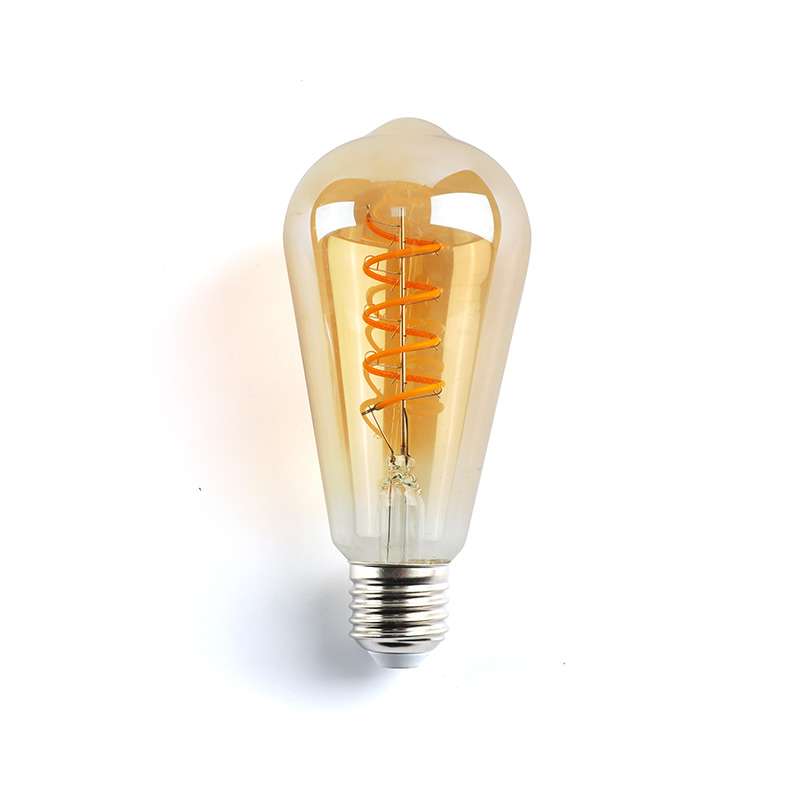
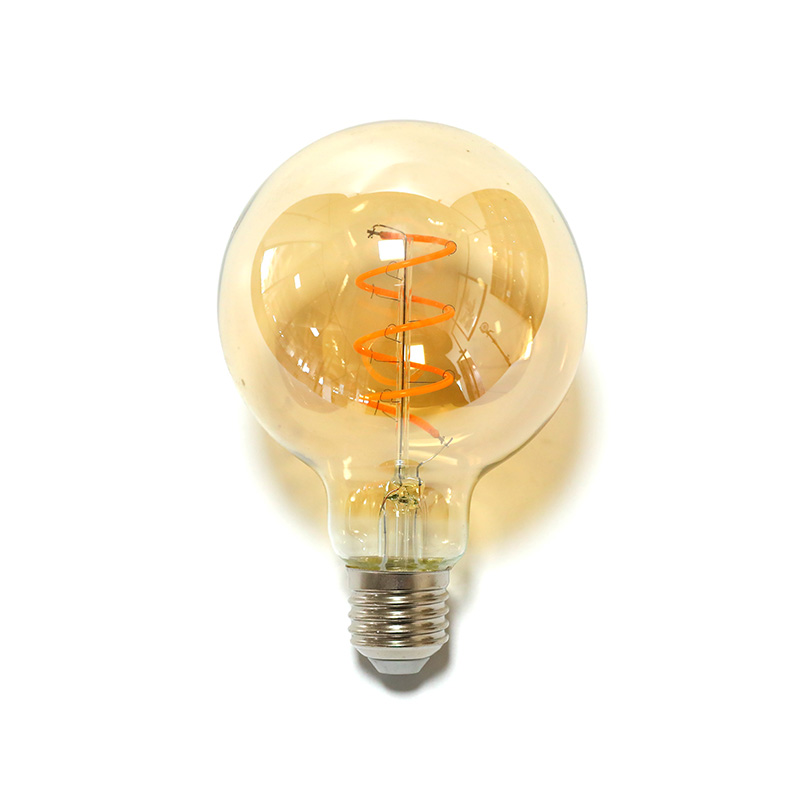
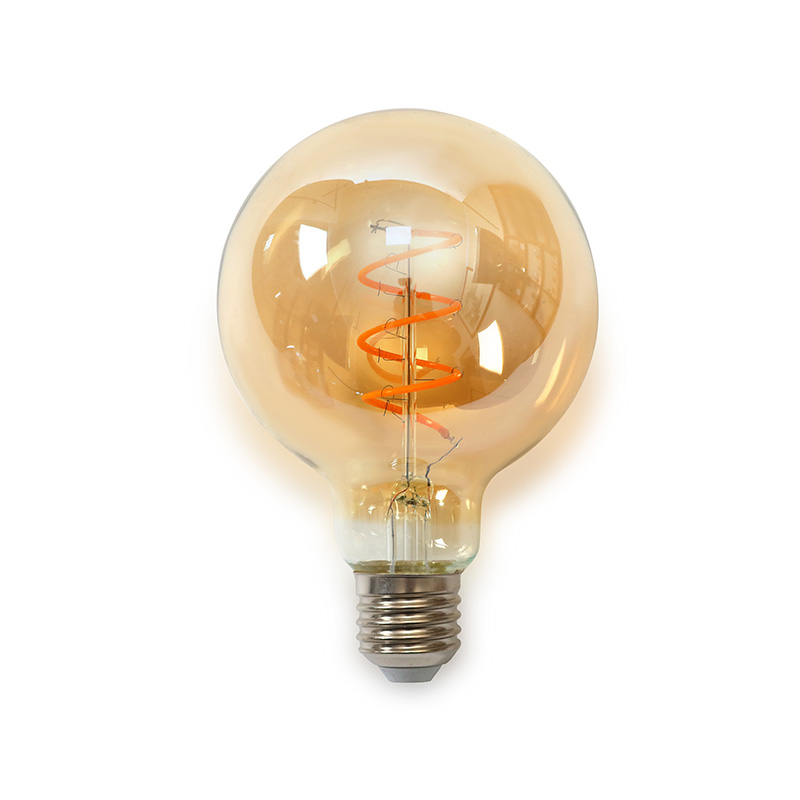
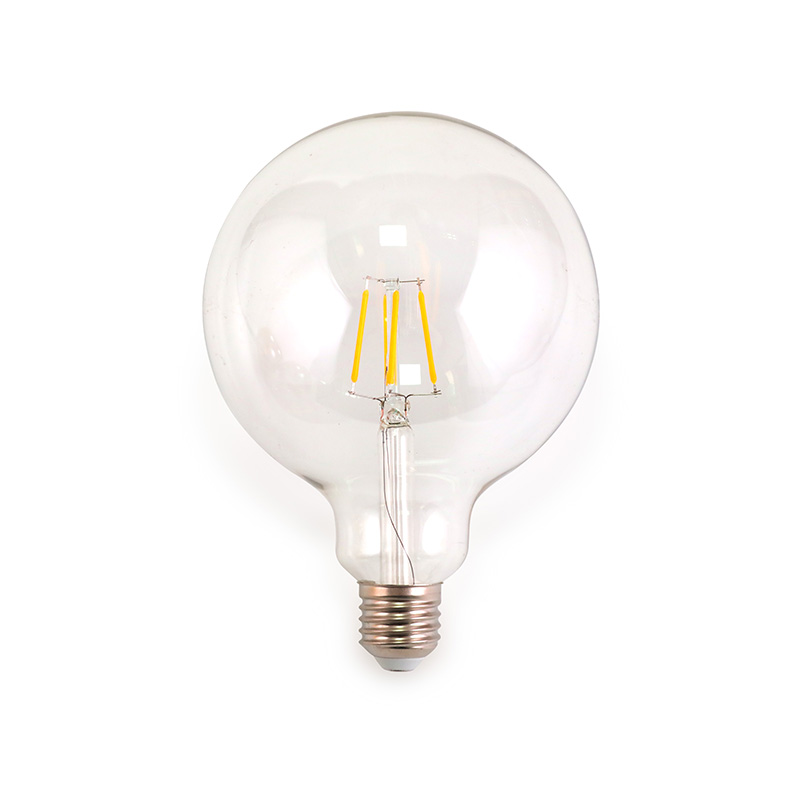
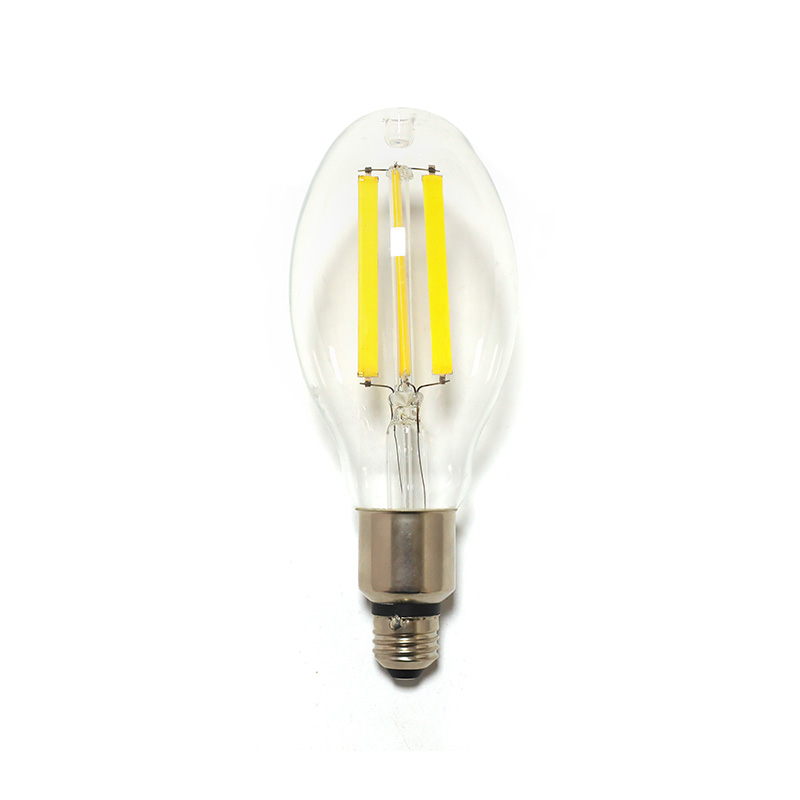
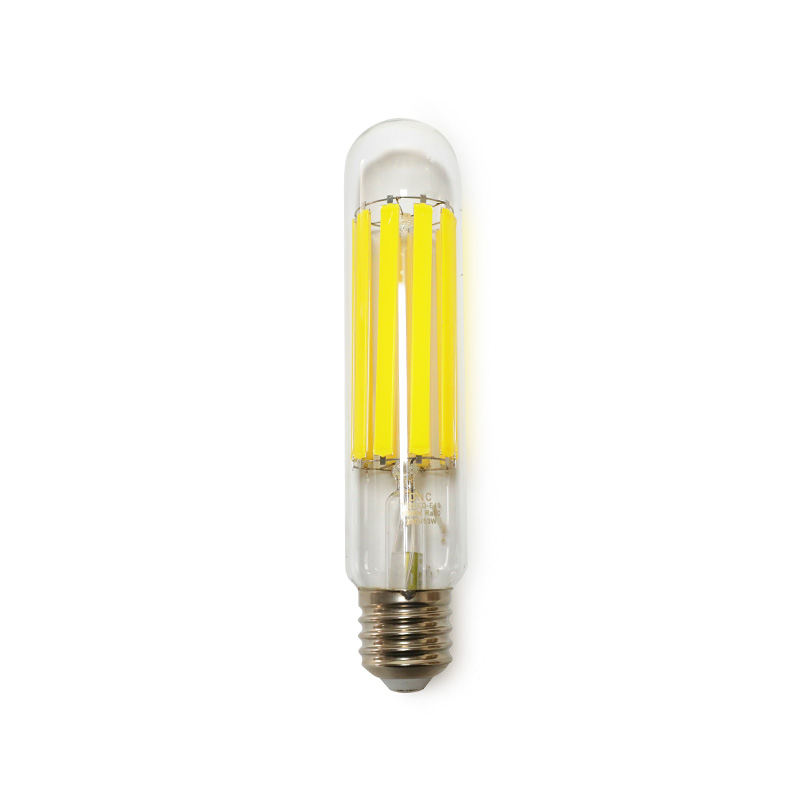
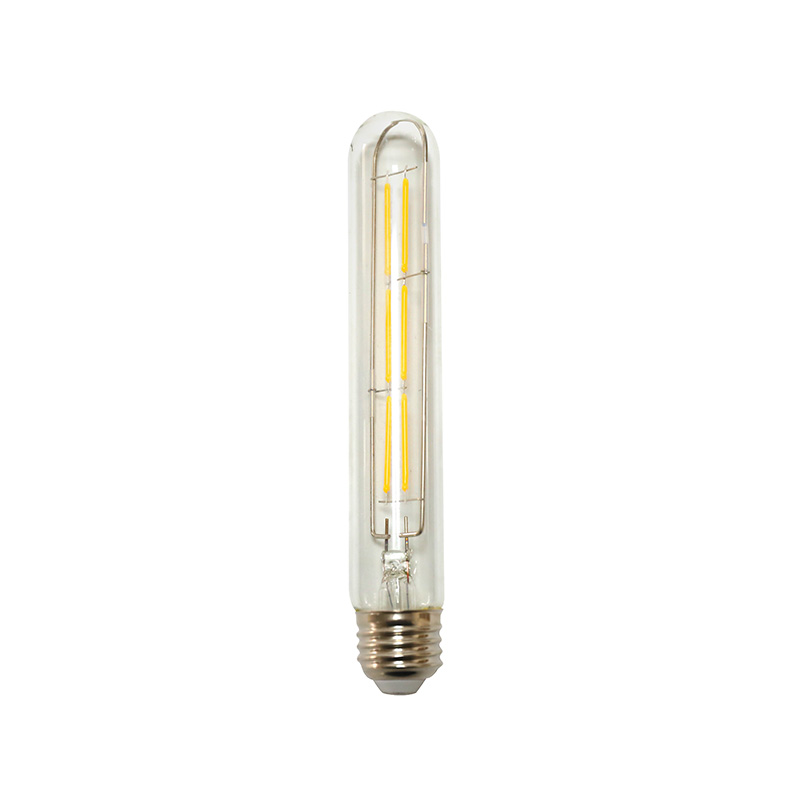
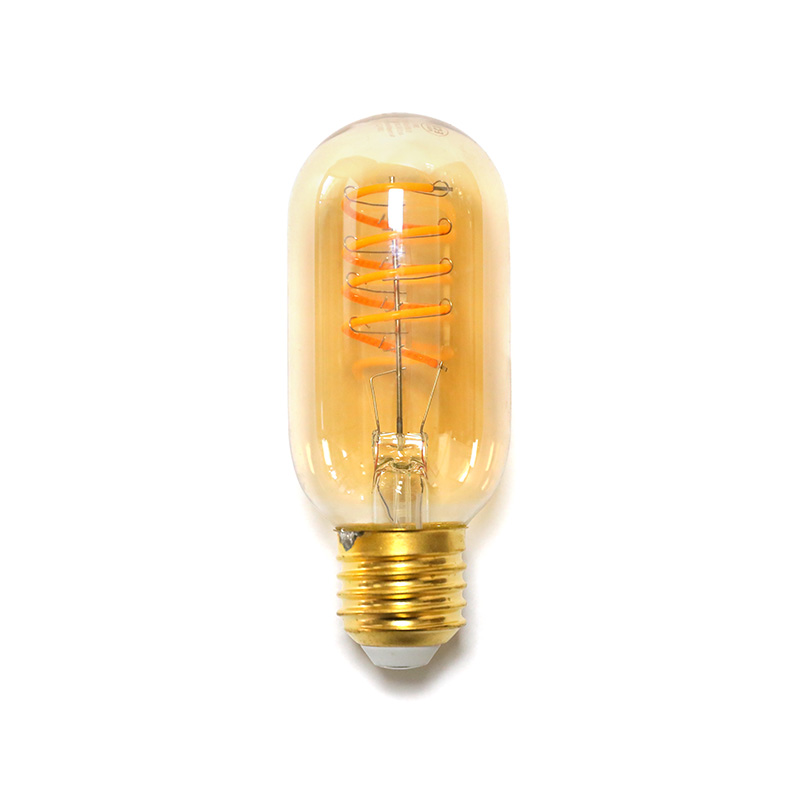
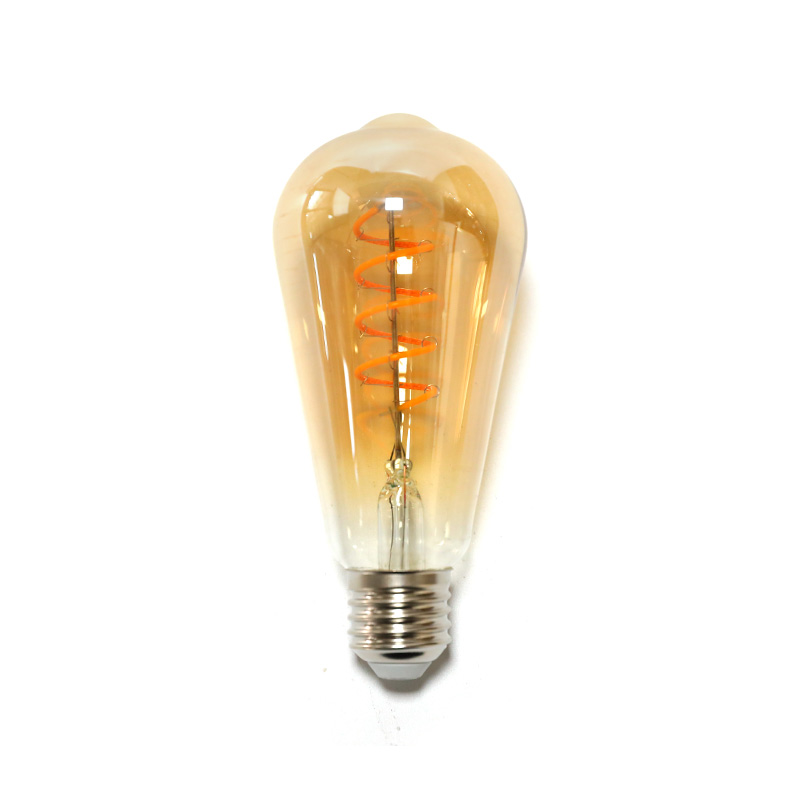
If the risks associated with a genuine, high-heat antique bulb seem daunting, there is an excellent and safe compromise: modern LED filament bulbs. These are engineered to perfectly mimic the look of antique carbon and Edison filaments but use efficient, cool-running LED technology. They:
- Operate at standard modern voltages.
- Consume 80-90% less energy (a 6W LED can look like a 60W antique).
- Generate almost no heat, eliminating the primary fire and burn risks.
- Last for 15,000-25,000 hours, versus 1,000-2,000 for an incandescent.
- Are available in a vast array of filament styles, glass tints, and shapes.
For most people seeking the vintage aesthetic without the vintage hazards, this is the most responsible and practical choice.
Final Thoughts: Preservation vs. Practicality
If you possess a genuine, historically valuable antique bulb, consider that every hour of use degrades its fragile filament. For irreplaceable pieces, the safest way to “use” them may be display-only. You can create a captivating display in a glass case or on a shelf, perhaps with a safe, low-voltage LED light placed nearby to illuminate it, without subjecting it to operational stress.
Lighting connects us to the past. The gentle, uneven glow of an antique filament tells a story of technological ingenuity and artistic design. By prioritizing safety—through voltage verification, electrical inspection, heat management, and considering modern alternatives—you can enjoy that story without writing a dangerous new chapter in your home. The goal is to illuminate your space with history’s warmth, not with its inherent risks. Take the time to do it right, and you’ll have a safe, beautiful light that can be enjoyed for years to come.