 English
 русский
Content
Walk into any thriving café, boutique hotel, or newly renovated home today, and you will almost certainly notice them — those warm, amber-glowing bulbs with visible filaments suspended inside hand-blown glass. Antique lamp bulbs are everywhere, and their presence is no accident. The global antique lighting market is projected to grow at a steady 6% CAGR over the next five years, and vintage lighting product sales are expected to rise by 15% in 2025 alone. Far from being a fleeting fad, this is a deeply rooted cultural and design movement — and understanding it can help you make smarter lighting choices for your space.
The Nostalgic Appeal: Why We Crave Warmth in Modern Spaces
There is a quiet rebellion happening in interior design. As homes and commercial spaces have filled up with flat-pack furniture, cold LED panels, and algorithmically generated aesthetics, many people have started to feel that something essential is missing — soul, character, story.
Antique lamp bulbs answer that need directly. Their warm glow, typically ranging between 2200K and 2700K on the color temperature scale, mimics the quality of candlelight and early gas lamps. This is not the sterile white light of a modern office — it is light that flatters faces, softens edges, and makes a room feel inhabited rather than staged.
A 2023 survey by the National Home Builders Association found that 78% of interior designers believe mixing vintage and contemporary elements adds dramatic depth and visual interest to a space. Antique bulbs have become one of the easiest and most affordable ways to introduce that layered quality. They are simultaneously a light source and a design statement — functional objects that also serve as conversation pieces.
A Brief History of Antique Lamp Bulbs
To understand why antique bulbs feel so special, it helps to know where they came from. Before electric lighting, homes and streets relied on candles, oil lamps, and gas fixtures. The arrival of the incandescent bulb in the late 19th century was a transformative moment — it made reliable, bright illumination available to ordinary households for the first time.
Those early bulbs were remarkable objects in their own right. They featured hand-blown glass envelopes, carbon filaments that glowed a deep amber, and shapes that were as much sculptural as functional. As manufacturing advanced, carbon gave way to tungsten filaments, which burned brighter and lasted longer, but the essential character of the early designs — the visible glow of a heated element inside glass — remained a touchstone of warmth and craftsmanship.
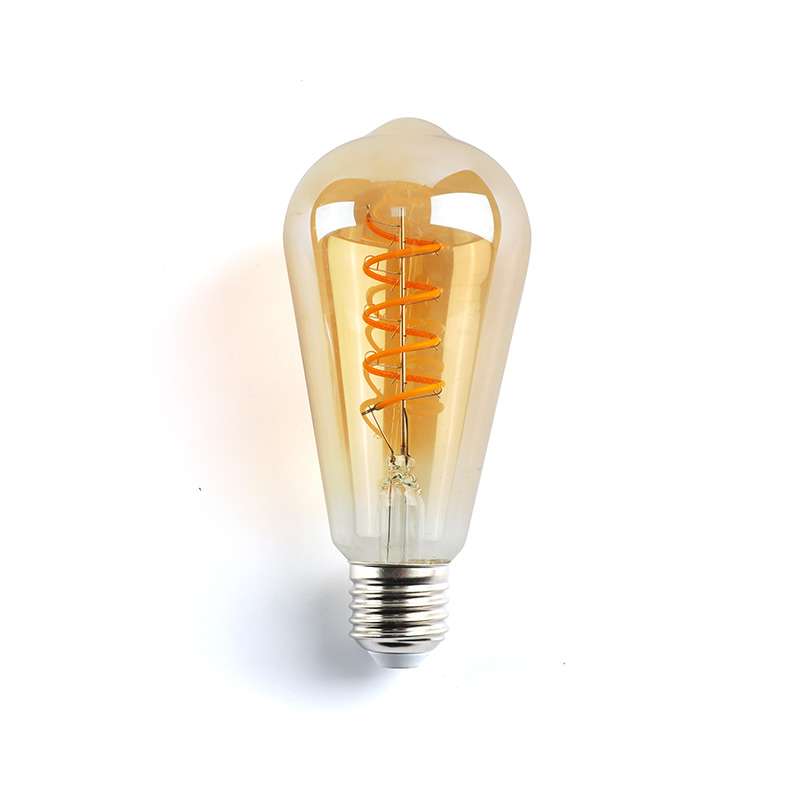
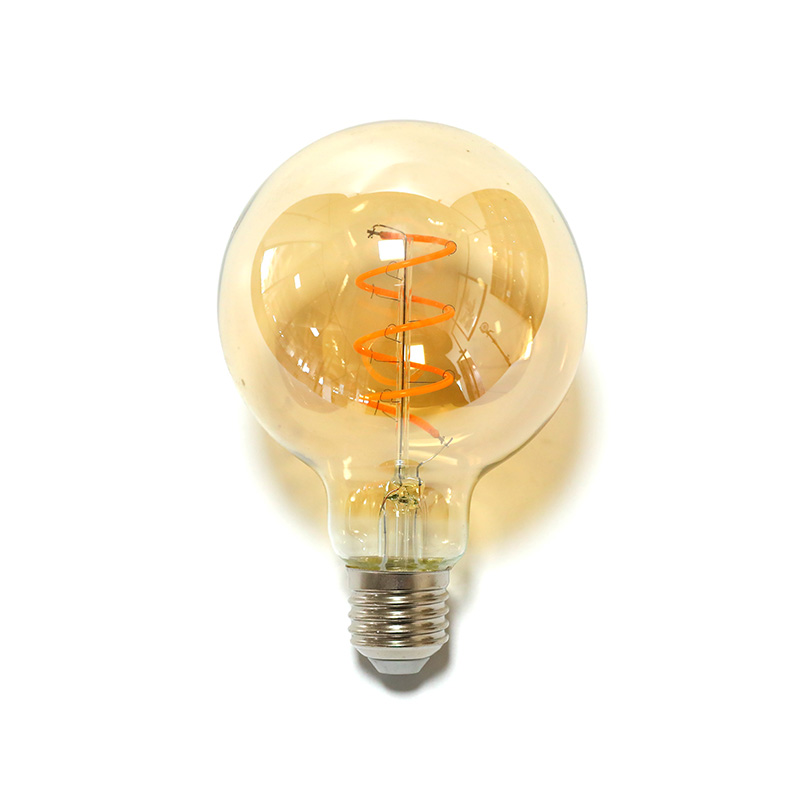
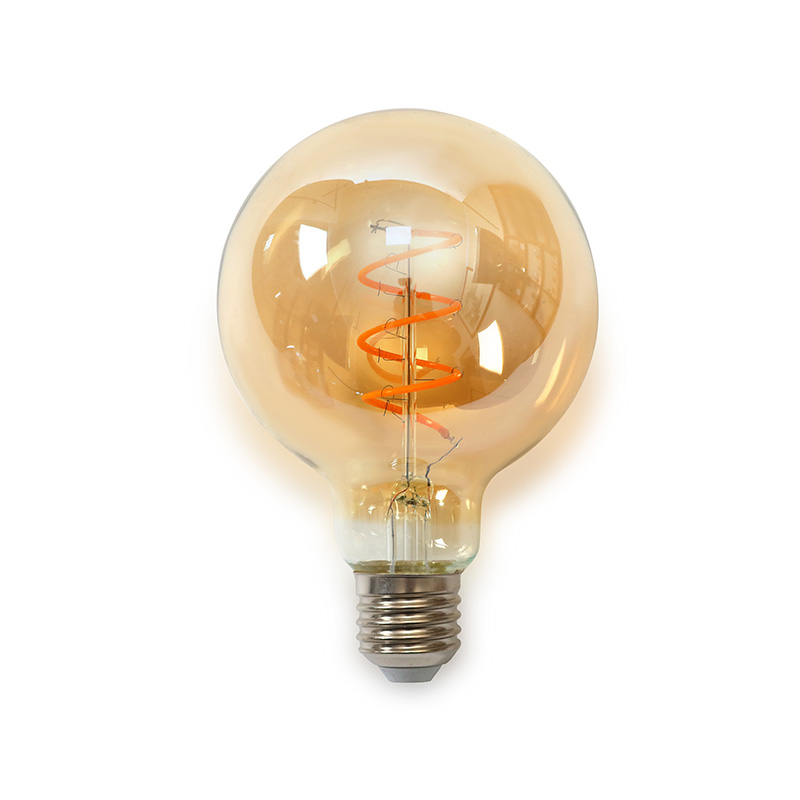
Today's antique lamp bulbs are heirs to that tradition. Whether they are true vintage finds or modern reproductions, they carry the visual language of the Edison era: exposed spiraling or squirrel-cage filaments, amber-tinted glass, and silhouettes that range from globe and teardrop shapes to elongated tubular forms. That design vocabulary is now more than 140 years old, and it shows no sign of losing its appeal.
Key Design Trends Driving the Comeback
Antique bulbs do not exist in a vacuum — their resurgence is directly tied to several powerful currents in contemporary interior design.
Industrial and loft aesthetics were among the first styles to fully embrace exposed filament bulbs. Raw brick, steel beams, reclaimed wood, and Edison bulbs became the signature vocabulary of urban restaurants, co-working spaces, and converted warehouse apartments throughout the 2010s. That look established antique bulbs as a credible design choice rather than a novelty.
Rustic farmhouse and cottagecore aesthetics broadened the audience further. These styles prioritize handmade textures, natural materials, and a sense of humble authenticity — qualities that antique bulbs reinforce perfectly. A pendant light with a visible carbon-replica filament over a reclaimed wood dining table is not just a lighting choice; it is a coherent design statement.
Eclectic and maximalist interiors, which have surged in popularity as a reaction to minimalism, use antique bulbs as anchors amid layered patterns, mixed materials, and curated objects. The warm, constant glow of a filament bulb provides a visual resting point in a busy, textured room.
Even in genuinely minimalist spaces, antique bulbs have found a role. Their sculptural quality means that a single well-chosen bulb in a simple socket pendant can serve as the focal point of an otherwise bare room — doing the work that an expensive art piece might do at a fraction of the cost.
The Role of LED Technology in the Revival
Here is the practical reality that earlier generations of vintage bulb enthusiasts had to accept: traditional incandescent bulbs are notoriously inefficient. They convert less than 10% of electrical energy into visible light, with the remainder lost as heat. They also have a relatively short lifespan, typically between 1,000 and 2,000 hours.
For a long time, this meant that choosing antique bulbs involved a genuine trade-off between aesthetics and sustainability. That trade-off has now largely disappeared. Modern LED vintage bulbs replicate the warm amber glow and visible filament appearance of their incandescent predecessors while consuming a fraction of the energy and lasting significantly longer — often 15,000 hours or more.
The technology has also grown sophisticated enough to address one of the previous weaknesses of LED bulbs: dimming. Early LED versions were incompatible with standard dimmer switches, or they flickered unpleasantly at low levels. Today's LED vintage bulbs are engineered for smooth, responsive dimming that allows users to shift seamlessly from bright functional light to a soft, intimate glow.
Smart integration has added another dimension. Smart vintage bulbs can now be controlled via mobile apps or voice assistants, allowing for precise scheduling, color temperature adjustment, and scene-setting — all without sacrificing the visual warmth of the antique aesthetic. This fusion of heritage form and contemporary function is precisely what has allowed the trend to move beyond nostalgia into mainstream design.
Where Antique Bulbs Shine: Top Application Scenarios
Understanding where antique lamp bulbs perform best helps in making the most of their unique qualities.
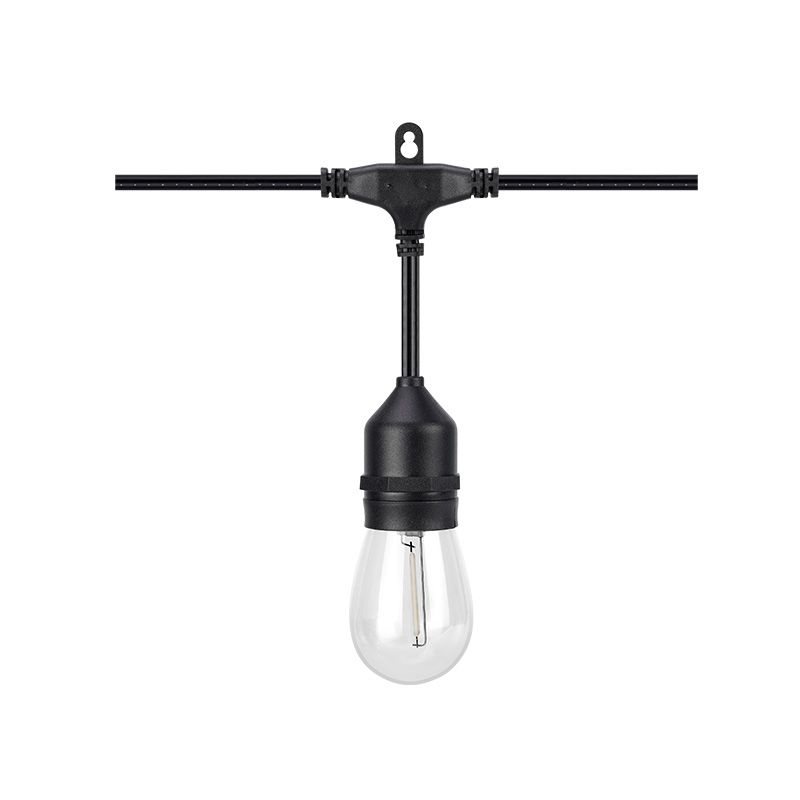
Restaurants and cafés were early adopters and remain the most visible showcase for antique bulbs. The warm, flattering light enhances food presentation, encourages relaxed conversation, and creates a distinct atmosphere that customers associate with quality and character. A string of exposed Edison bulbs above a bar or dining counter signals a certain sensibility — informal yet intentional.
Retail environments use antique bulbs strategically to warm up product displays. The amber-toned light enhances the perceived richness of textures and colors, particularly in clothing boutiques, home goods stores, and artisan food shops. The bulbs themselves can become part of the store's identity, reinforcing a brand message of craftsmanship and authenticity.
Residential living rooms and dining areas benefit most from the atmospheric qualities of antique bulbs. Pendant fixtures over a dining table, wall sconces in a reading corner, or a statement floor lamp in the living room — all of these create zones of warmth that make a home feel genuinely welcoming rather than simply well-lit.
Hospitality spaces including boutique hotels, bed and breakfasts, and spa environments use antique bulbs to establish a sense of retreat and calm. The consistent, gentle glow is as much a part of the guest experience as the furniture or linens.
| Space | Recommended Fixture | Primary Benefit |
|---|---|---|
| Dining room | Pendant cluster / chandelier | Warm focal point, flattering light |
| Living room | Floor lamp, table lamp, sconce | Layered ambient atmosphere |
| Café / restaurant | Exposed pendants, string lights | Brand identity, guest comfort |
| Retail | Track lighting with vintage heads | Enhance product texture and color |
| Boutique hotel | Bedside sconces, lobby pendants | Sense of retreat and luxury |
How to Choose the Right Antique Lamp Bulb
With so many options available, selecting the right antique lamp bulb comes down to a few key considerations.
Color temperature is perhaps the most important variable. Look for bulbs rated between 2200K and 2700K for the warmest, most authentic antique character. Bulbs at the lower end of that range (around 2200K) will produce a deep amber glow reminiscent of candlelight — perfect for intimate dining or bedroom settings. Those closer to 2700K are slightly brighter and more neutral, making them better suited for task areas or open-plan spaces.
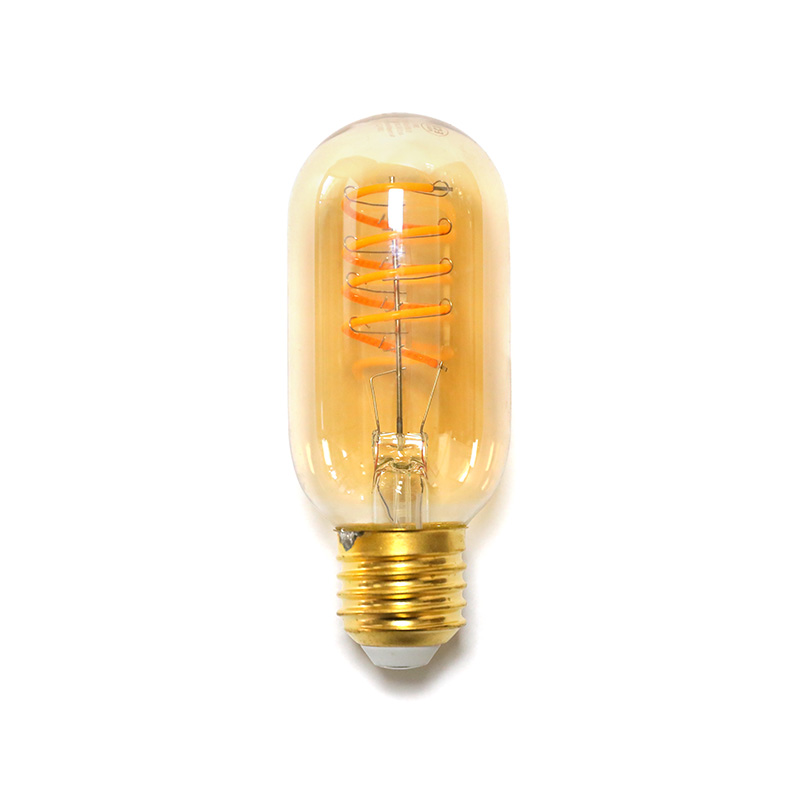
Filament style contributes enormously to the visual appeal when the bulb is on display in an open fixture. Squirrel-cage, spiral, and carbon-replica filament designs each create a different shadow pattern and visual texture. Choose based on what complements your fixture and the overall style of the room.
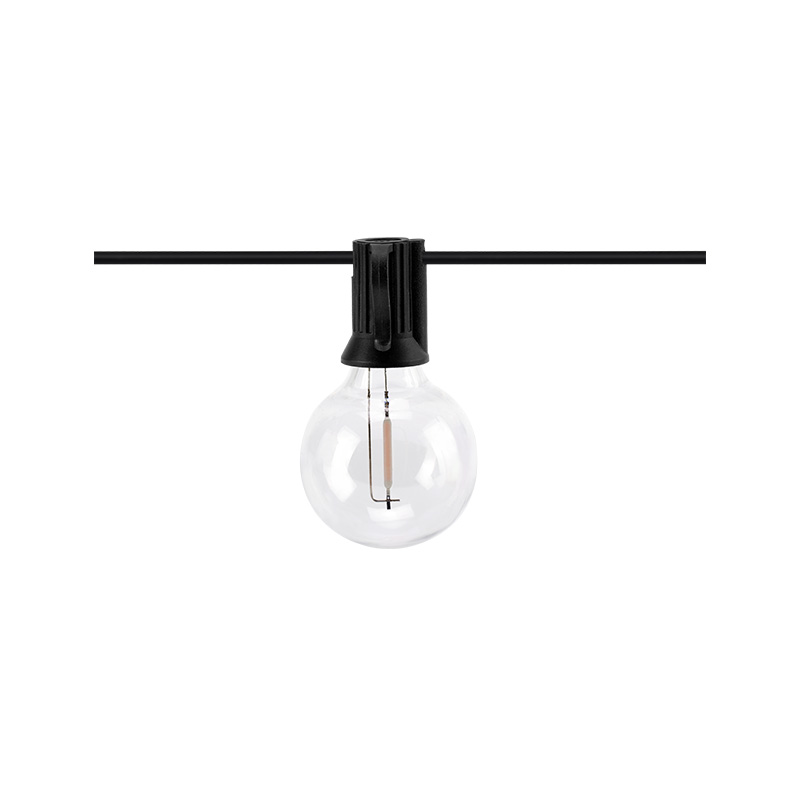
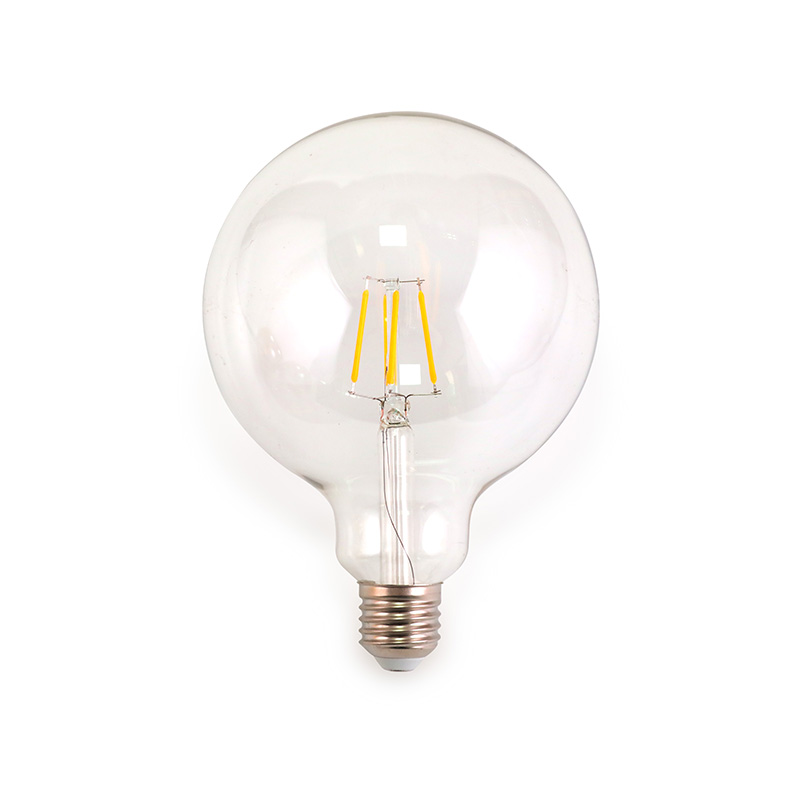
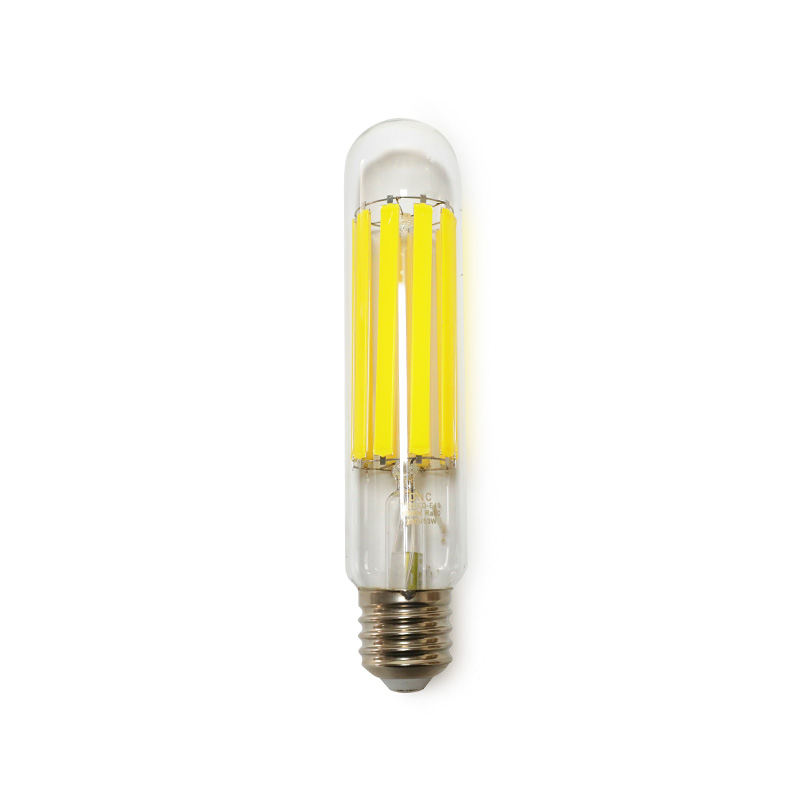
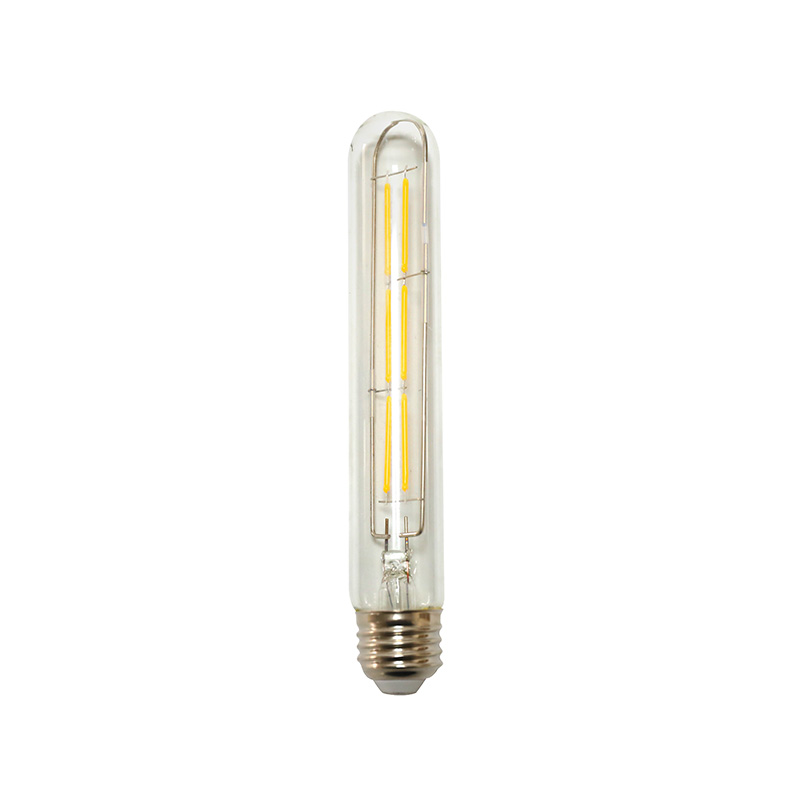
Bulb shape should be matched to the fixture. Globe (G-shape) bulbs work well in pendant clusters and chandeliers where the bulb itself is the focal point. Tubular (T-shape) bulbs suit industrial sconces and wall fixtures. Standard Edison (A-shape) forms are the most versatile and work in almost any socket.
Wattage and lumen output need to match the intended use. A 4W to 6W LED vintage bulb typically produces enough light for a decorative or accent role. For ambient lighting in a dining or living room, look for LED equivalents in the 8W to 10W range, which deliver meaningful light output while maintaining the visual warmth of a lower-wattage incandescent.
Dimmer compatibility is a non-negotiable feature for any space where mood lighting matters. Confirm that the bulb is rated for use with phase-cut dimmers, and test the combination before committing to a full installation. A smooth, flicker-free dimming range from 100% down to around 10% gives you the flexibility to adapt the atmosphere to any occasion.
Finally, consider the quality of the glass and the consistency of the filament placement. Premium antique lamp bulbs are hand-finished and feature carefully centered filaments that create even, beautiful light patterns. This level of craftsmanship is visible the moment the bulb is switched on — and it is what separates a genuinely impressive lighting scheme from a merely adequate one.
Antique lamp bulbs have made their comeback not because design trends are cyclical — though they are — but because they solve a problem that pure efficiency cannot: the human need for spaces that feel warm, personal, and alive. As LED technology continues to close the gap between vintage aesthetics and modern performance, there has never been a better time to explore what the right antique bulb can do for your space.