 English
 русский
Content
What Makes a Bulb "Antique"
The term antique lamp bulb refers broadly to bulbs designed to replicate the aesthetic of early incandescent lighting — specifically the hand-blown glass, exposed filament, and warm amber glow that characterized Edison-era lighting from the 1880s onward. These are not simply decorative novelties. In heritage restoration projects, hospitality interiors, and vintage retail environments, antique bulbs serve a functional role: they complete the visual authenticity of period-accurate fixtures.
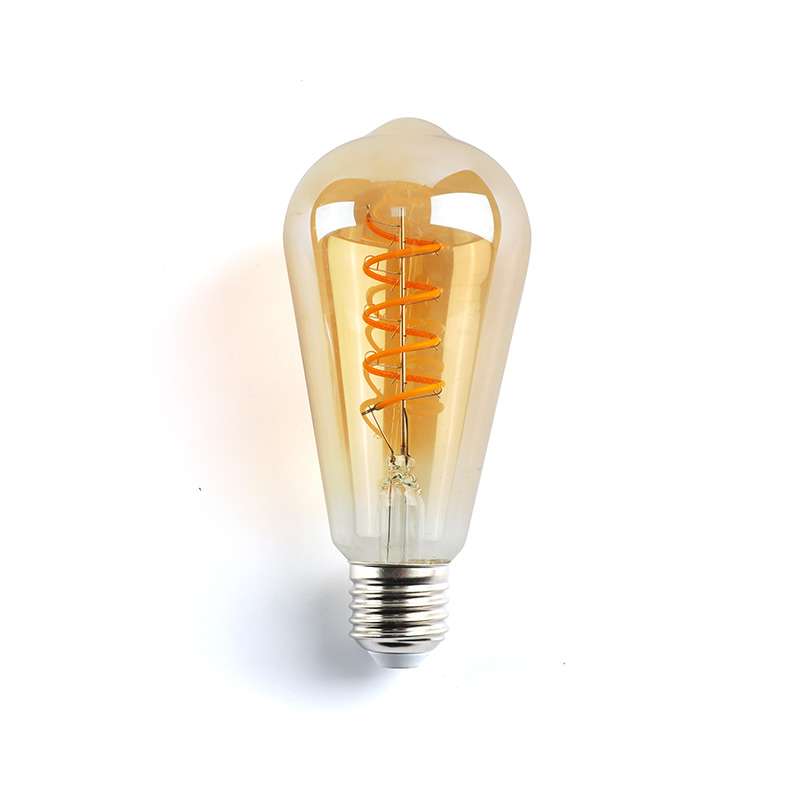
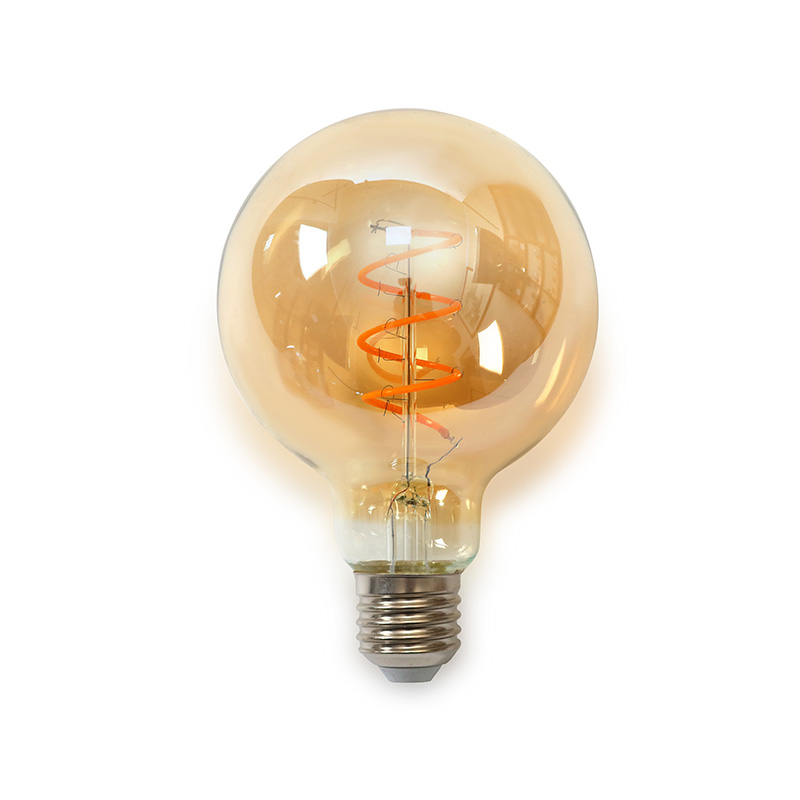
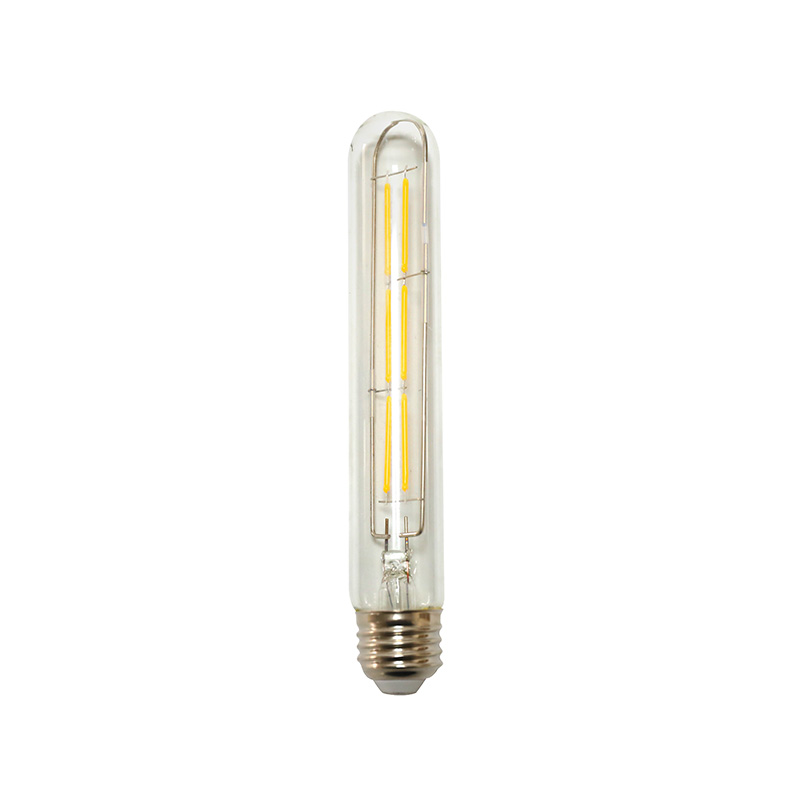
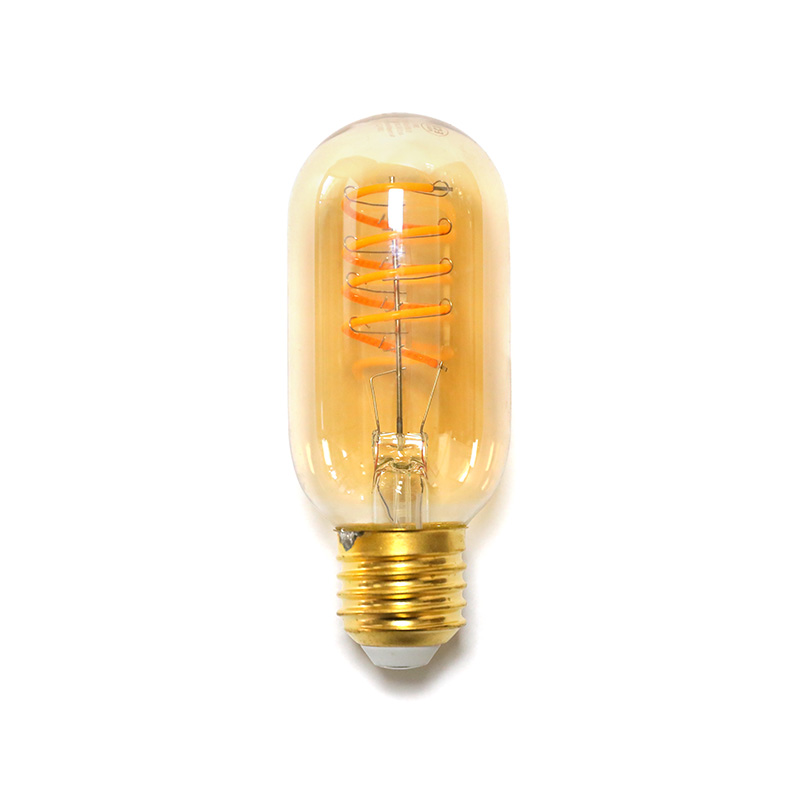
What distinguishes an antique-style bulb from a standard one is primarily the filament design. Traditional incandescent bulbs conceal their filament behind frosted glass. Antique bulbs intentionally expose the filament — looped, coiled, or stretched into long linear segments — as the central visual element. The glass itself is typically clear or lightly amber-tinted to amplify the warm color temperature, usually in the range of 1800K to 2200K, well below the 2700K of most modern warm-white LEDs.
The Main Types of Antique Lamp Bulbs
Antique bulbs come in several distinct filament and glass configurations. Understanding the differences helps in selecting the right option for specific applications.
| Type | Filament Style | Glass Shape | Typical CCT | Common Use |
|---|---|---|---|---|
| Edison ST64 | Looped / Squirrel cage | Tubular, rounded tip | 2000–2200K | Pendant lights, cafe strings |
| Carbon Filament A19 | Single long loop | Standard pear shape | 1800–2000K | Table lamps, sconces |
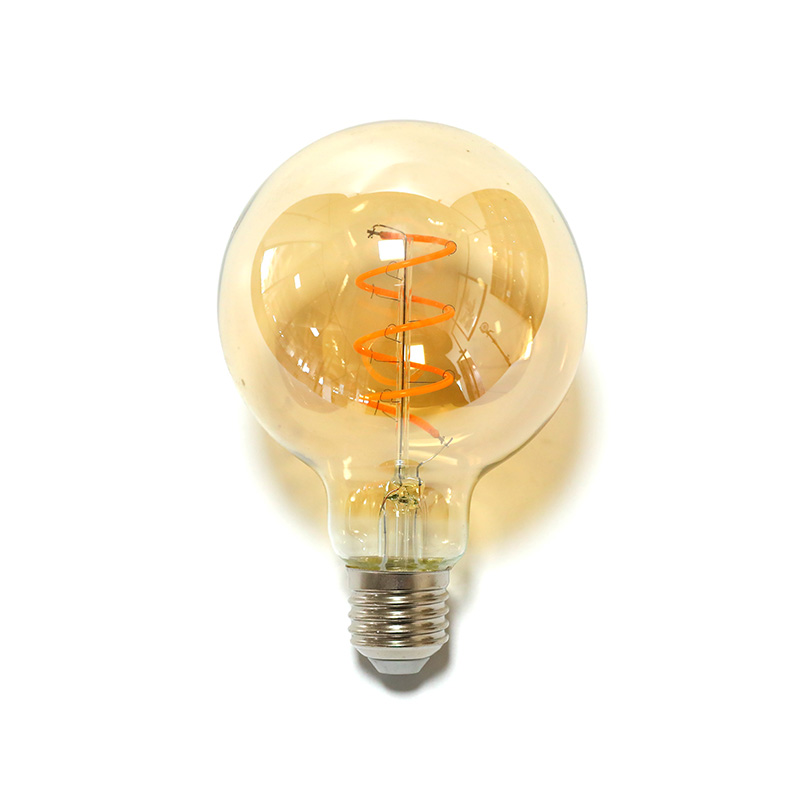
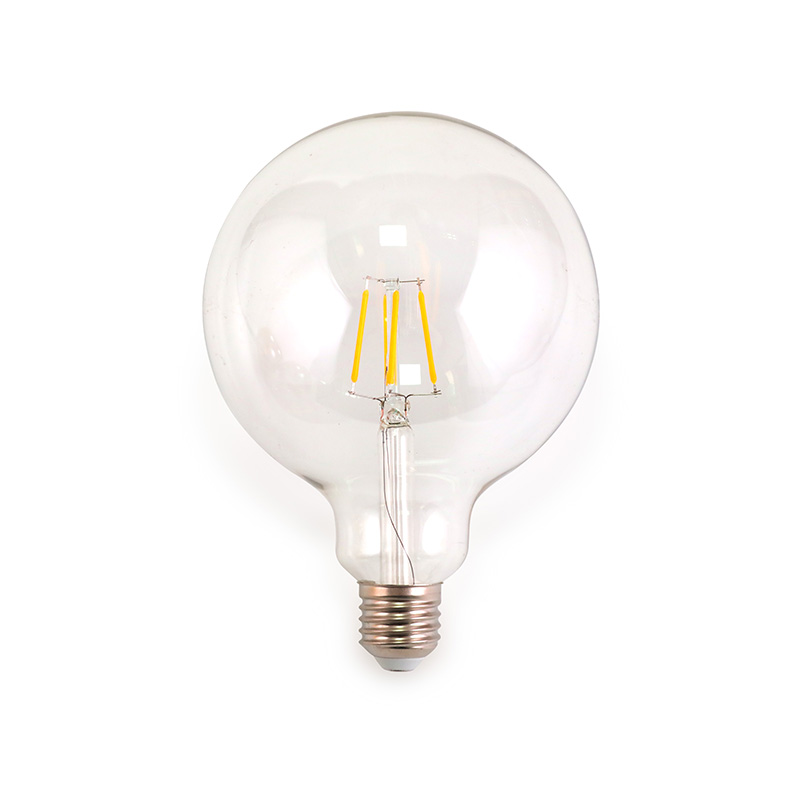
| Globe G125 | Spiral / Horizontal | Large sphere | 2200K | Exposed filament fixtures, bars |
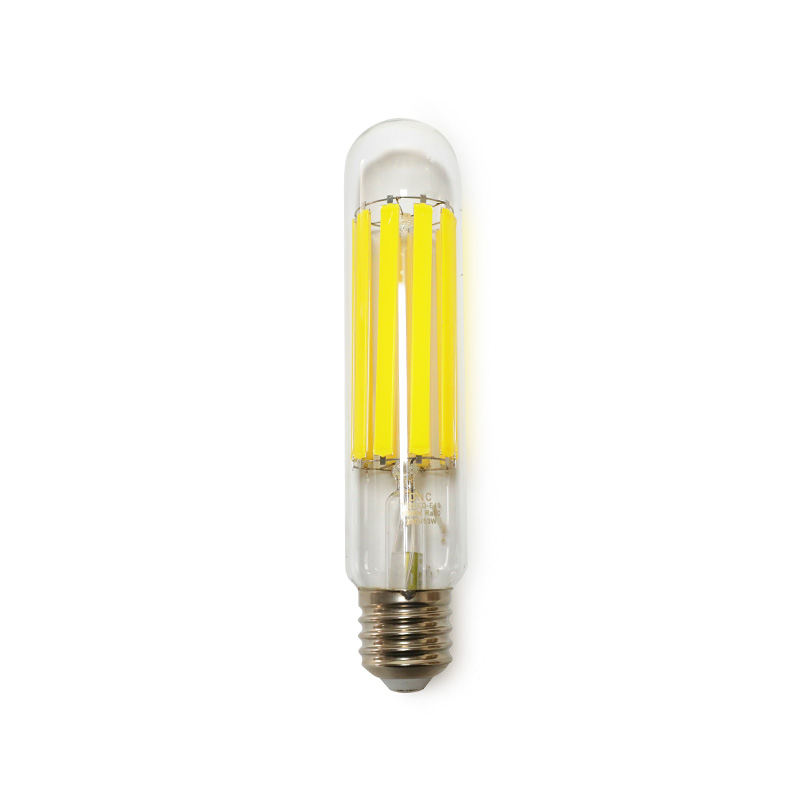
| Tube T10/T45 | Linear / Bent | Long cylinder | 2000–2200K | Vanity mirrors, industrial lamps |
| Candelabra B11 | Twisted / Flame tip | Flame or torpedo | 2200K | Chandeliers, wall brackets |
Incandescent vs. LED Filament: A Practical Comparison
The core tension in choosing antique lamp bulbs today is between incandescent originals and LED filament replicas. Both have legitimate applications depending on the project.
Traditional incandescent antique bulbs — still available in most markets at low wattages or as specialty imports — produce a continuous spectrum of light with excellent color rendering (CRI 100). The slight flicker, the gradual warm-up, and the deep amber tone are characteristics that LED technology has only partially replicated. For museum installations, historical stage sets, or period film production, incandescent remains the benchmark.
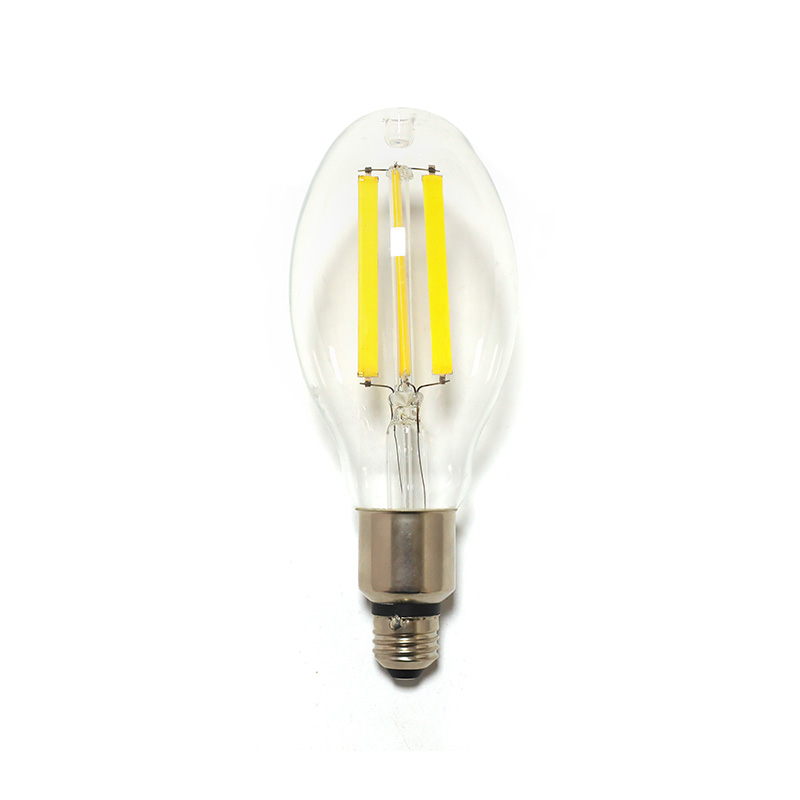
LED filament bulbs, however, have improved dramatically. High-quality models now achieve CRI values above 95, color temperatures as low as 1800K, and dimming performance that closely mimics the warm dim behavior of incandescent sources — where the light shifts toward deeper amber as it dims. The energy savings are substantial: a 4W LED filament bulb typically replaces a 40W incandescent equivalent, representing a 90% reduction in energy consumption.
For commercial settings such as restaurants or hotels where bulbs run 10–14 hours per day, the economic case for LED filament is decisive. For a private collector fitting a single vintage floor lamp, the original incandescent experience may justify the higher operating cost.
How to Select the Right Antique Bulb for Your Fixture
Selecting an antique bulb requires considering more than aesthetics. The following factors determine both visual outcome and practical compatibility:
- Base type: E26/E27 is the most common medium base. E12/E14 (candelabra) is standard for chandeliers. Always verify the socket before ordering.
- Dimmer compatibility: Not all antique LED filament bulbs are dimmable. Look for bulbs rated for leading-edge (TRIAC) or trailing-edge dimmers, and verify the minimum load requirements of your dimmer switch.
- Glass visibility: If the fixture features an open shade, a cage, or no shade at all, the filament becomes a focal point. Choose a filament style — squirrel cage, spiral, or cross — that complements the fixture's design language.
- Wattage and lumen output: Antique bulbs are not typically chosen for brightness. A 4W LED filament (circa 350–400 lumens) is sufficient for accent and ambiance lighting. For task-adjacent applications, consider 6–8W models.
- Glass tint: Clear glass maximizes filament visibility and produces sharper contrast. Amber-tinted glass softens the glow and better approximates the color output of original carbon filament bulbs.
In residential settings, mixing antique bulb types within the same space — for example, ST64 pendants over a kitchen island alongside G125 globes in a living room — creates visual inconsistency. For cohesive results, select a single filament style and glass treatment across all fixtures in a given room or zone.
Antique Lamp Bulbs in Commercial and Hospitality Design
The use of antique lamp bulbs in commercial environments — particularly restaurants, boutique hotels, and retail spaces — has become one of the defining visual codes of contemporary hospitality design. A 2022 industry survey found that over 67% of independent restaurant owners cited warm, visible-filament lighting as a deliberate design choice aimed at increasing perceived atmosphere and dwell time.
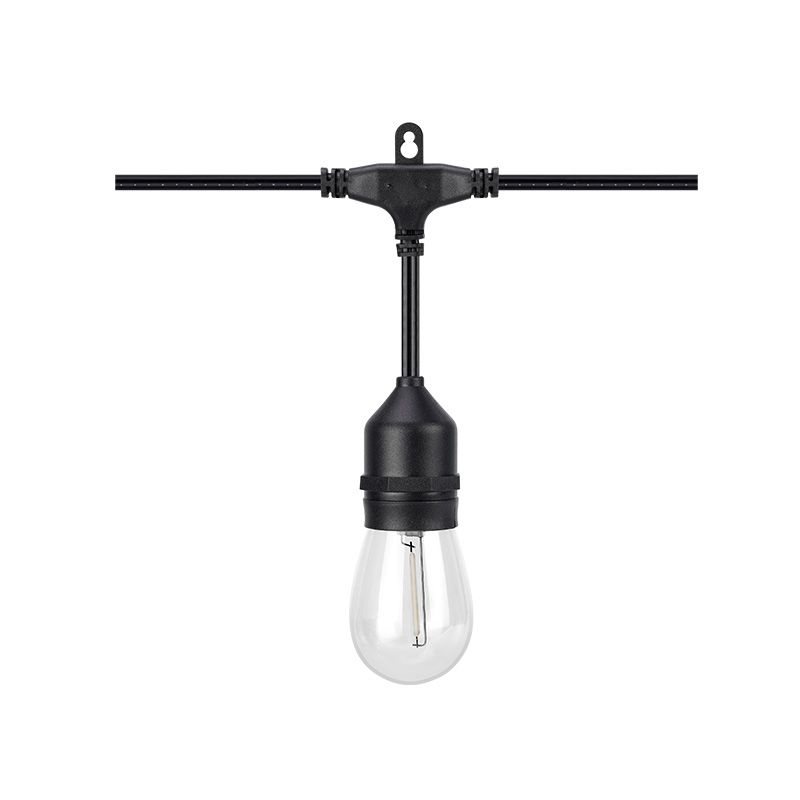
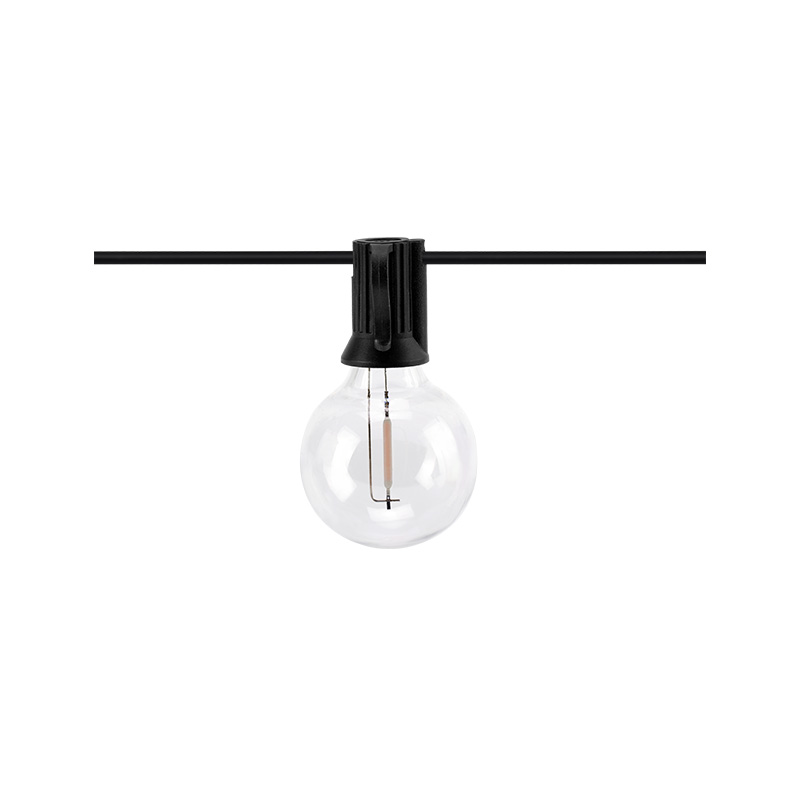
In these contexts, bulbs are often deployed in large quantities — string lights across outdoor terraces, multiple pendant clusters over bar counters, or wall sconces lining corridors. Scale and consistency matter. Procurement teams should prioritize suppliers that offer batch-matched color temperature tolerances, ideally within ±100K, to ensure visual uniformity across dozens or hundreds of fixtures.
Maintenance is another critical consideration. Even with LED filament bulbs rated for 15,000–25,000 hours, large installations will experience staggered failures over time. Stocking a consistent reserve of the same SKU avoids mismatched replacements — particularly important when the filament design itself is visible and central to the aesthetic.