 English
 русский
Content
- 1 The Evolution from Incandescent to LED Filament Technology
- 2 Architectural Integration and Fixture Design
- 3 Psychological Impact and Biophilic Design Principles
- 4 Economic and Environmental Considerations
- 5 Application Strategies for Different Interior Styles
- 6 Installation and Technical Specifications
- 7 Future Trajectory and Market Data
Filament bulbs have re-emerged as a dominant force in contemporary interior design, driven by a convergence of nostalgic aesthetics and modern energy efficiency. Once dismissed as outdated technology, these exposed-filament light sources now occupy a central role in residential and commercial spaces seeking warmth, character, and visual authenticity. The resurgence reflects broader shifts toward sustainable living and the rejection of sterile, overly polished environments.
The Evolution from Incandescent to LED Filament Technology
Traditional incandescent filament bulbs consumed excessive energy and burned out quickly, averaging only 1,000 hours of lifespan. Modern LED filament bulbs replicate the warm glow and visible filament structure while delivering up to 25,000 hours of operation and using 80% less electricity. This technological leap eliminated the primary barrier to adoption, allowing designers to specify filament bulbs without compromising sustainability goals or operational budgets.
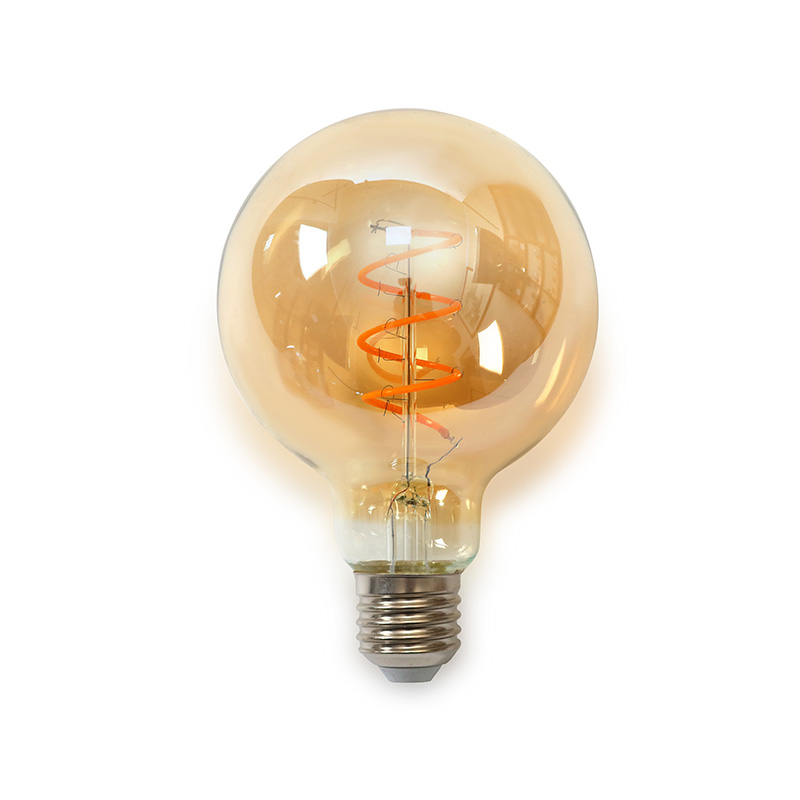
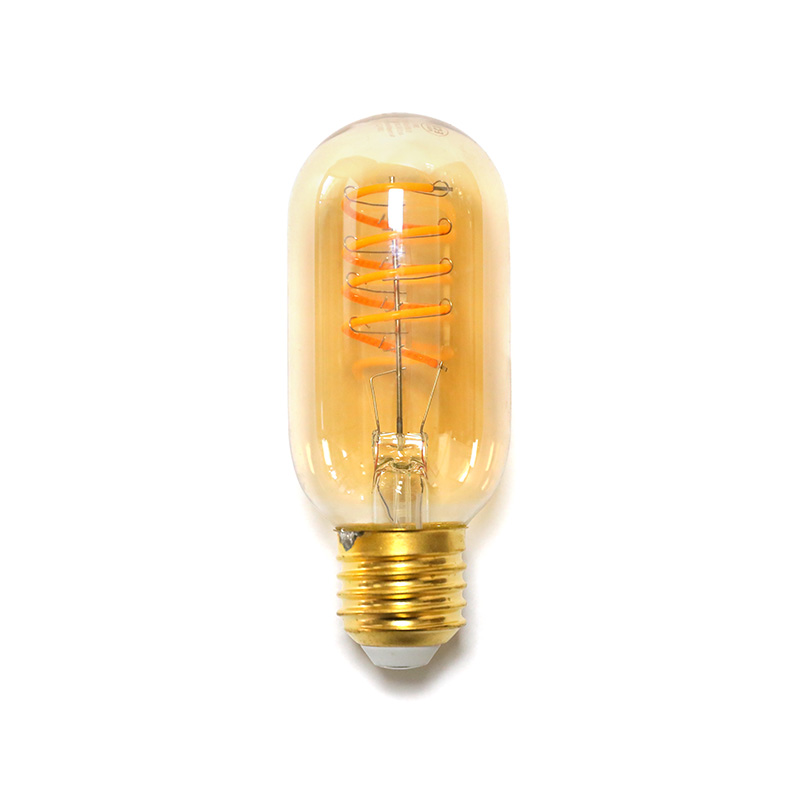
Manufacturers now produce LED filaments in diverse shapes and color temperatures. The most popular options range from 2200K to 2700K, producing the amber warmth associated with early 20th-century lighting. Unlike harsh blue-white LEDs, these temperatures complement skin tones and natural materials, making spaces feel inviting rather than clinical.
Architectural Integration and Fixture Design
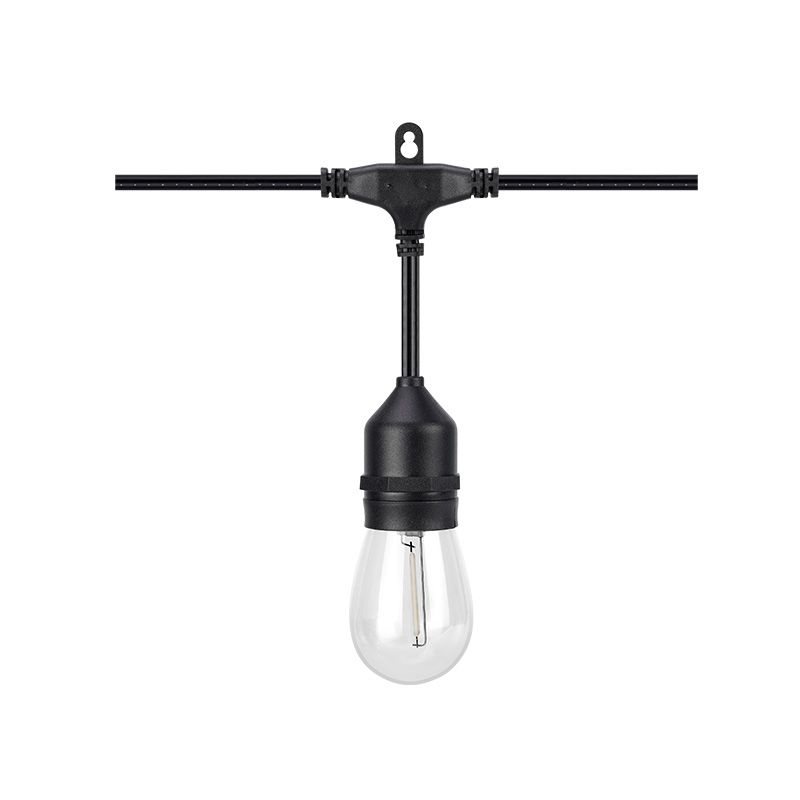
The physical visibility of filament bulbs transformed fixture design philosophy. Where previous generations hid light sources behind opaque shades, contemporary fixtures celebrate the bulb itself as a sculptural element. Pendant lights with clear glass enclosures, cage-like metal frameworks, and exposed socket designs have become staples in restaurants, hotels, and residential kitchens.
Popular Fixture Pairings
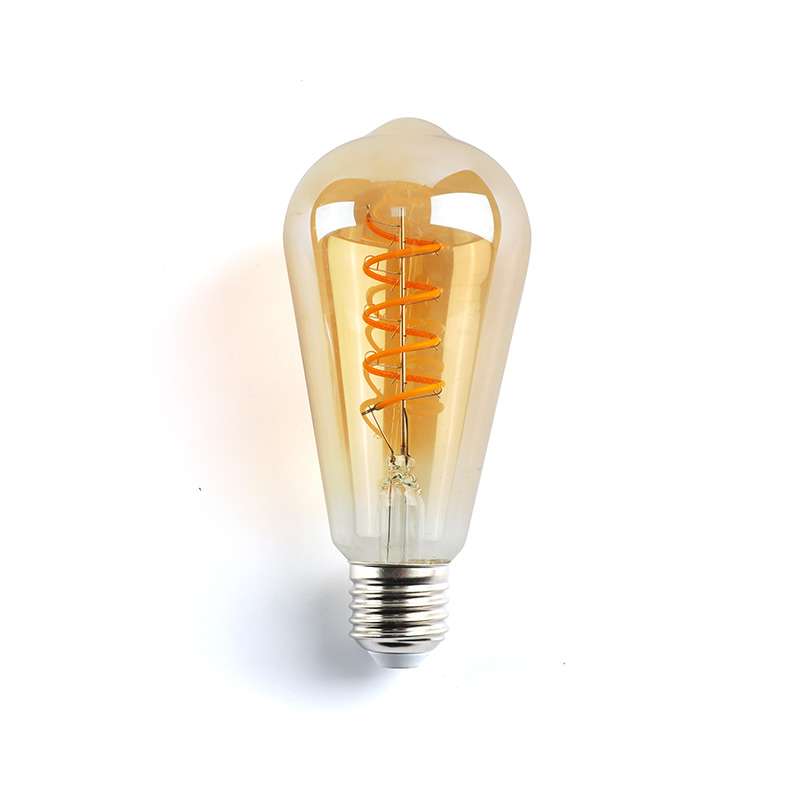
- Edison-style squirrel cage bulbs in industrial pendant clusters
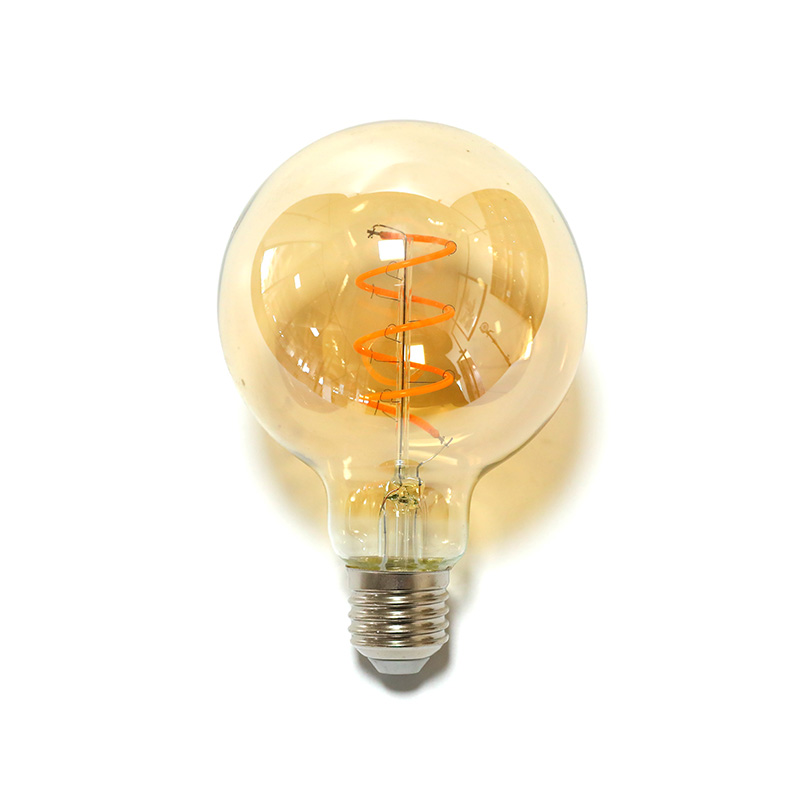
- Globe-shaped filaments within Sputnik-style chandeliers
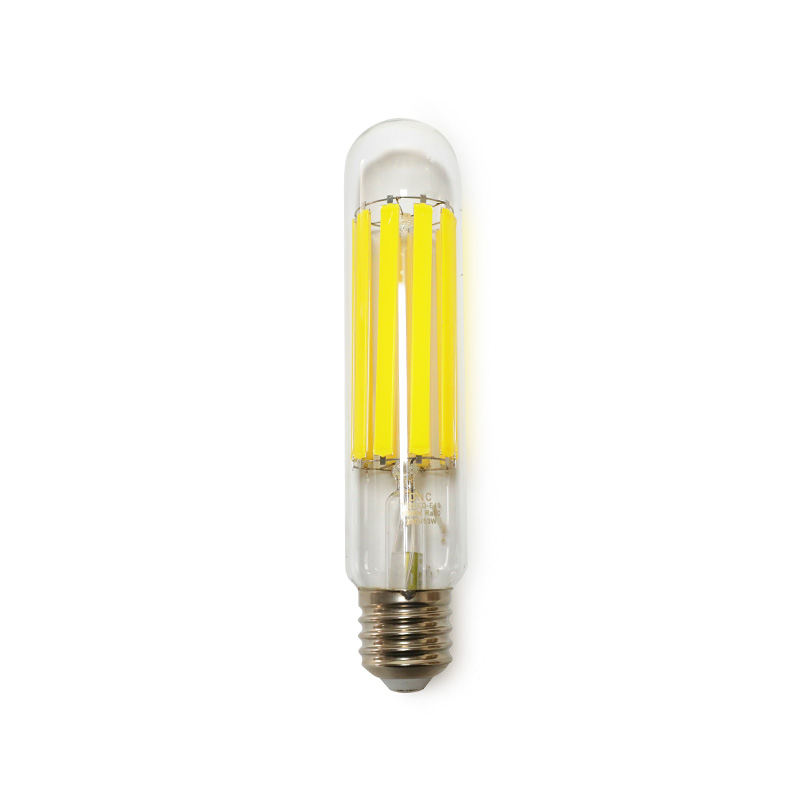
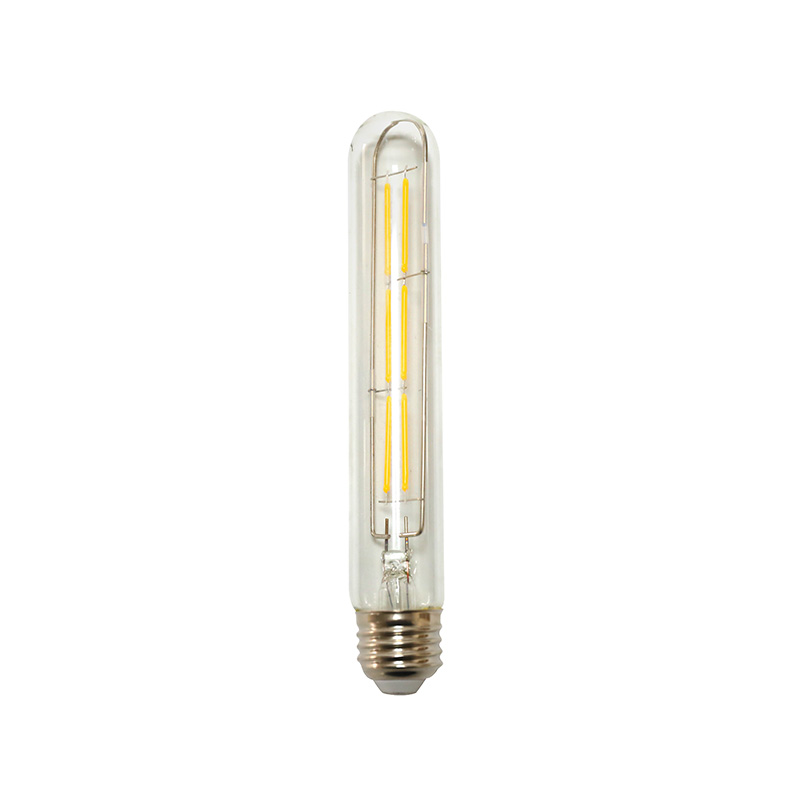
- Tube filaments integrated into linear suspension systems
- Miniature filament candles in exposed wall sconces
Psychological Impact and Biophilic Design Principles
Research in environmental psychology supports the preference for warm, dimmable lighting. Studies indicate that 2700K lighting reduces cortisol levels compared to cooler temperatures, promoting relaxation in domestic environments. Filament bulbs naturally excel in this application due to their inherent warmth and compatibility with dimmer switches.
The biophilic design movement, which seeks to connect occupants with natural elements, embraces filament lighting as a counterpoint to digital screens and artificial materials. The organic, irregular glow of a visible filament mimics firelight and sunset, evolutionary triggers associated with safety and rest.
Economic and Environmental Considerations
While LED filament bulbs command higher initial prices than standard LEDs, lifecycle cost analysis reveals significant savings. A typical household using 20 filament bulbs will save approximately $150 annually on electricity compared to incandescent equivalents, achieving return on investment within 18 months.
| Technology | Wattage (Equivalent) | Lifespan (Hours) | Annual Cost* |
|---|---|---|---|
| Incandescent | 60W | 1,000 | $8.50 |
| Standard LED | 9W | 25,000 | $1.30 |
| LED Filament | 7W | 25,000 | $1.00 |
*Based on 3 hours daily use at $0.13 per kWh
Application Strategies for Different Interior Styles
Successful implementation requires matching filament characteristics to specific design contexts. The versatility of modern filament bulbs allows integration across diverse aesthetic frameworks.
Industrial and Loft Spaces
Oversized Edison bulbs with prominent squirrel cage filaments reinforce raw, utilitarian aesthetics. Groupings of three to five pendants at varying heights create visual rhythm above dining tables or kitchen islands.
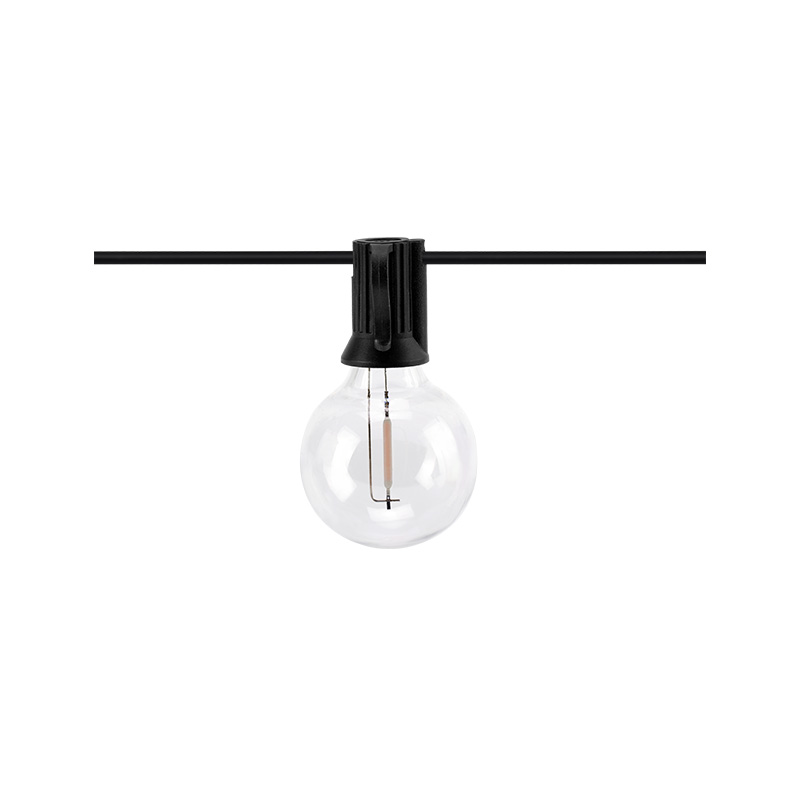
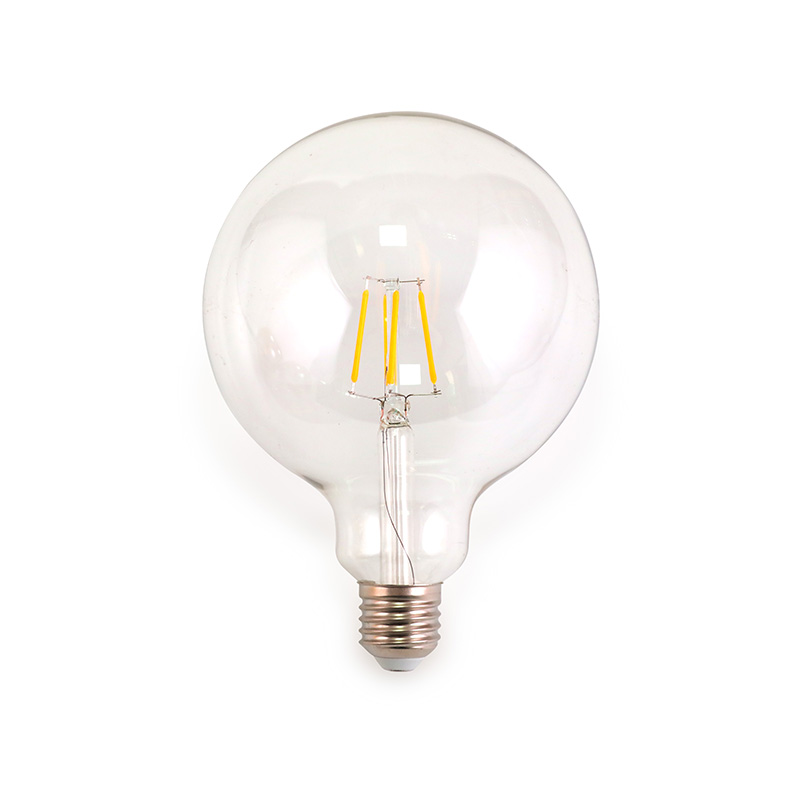
Clear globe bulbs with simple, straight filaments complement clean lines without adding visual clutter. Paired with white or pale wood fixtures, they provide warmth that prevents sterility in high-key color schemes.
Transitional and Classic Settings
Candle-style LED filaments with bent flame tips offer the silhouette of traditional chandeliers while meeting modern energy codes. These work particularly well in wall sconces and candelabra fixtures where historical accuracy matters.
Installation and Technical Specifications
Proper specification ensures optimal performance and longevity. Consider these technical factors when selecting filament bulbs for projects:
- Verify dimmer compatibility, as not all LED filaments work with existing dimming systems
- Check enclosed fixture ratings, heat buildup can shorten lifespan in non-ventilated housings
- Select appropriate lumen output, 400-500 lumens for accent lighting, 800+ for task areas
- Consider CRI ratings above 90 for spaces where color accuracy matters
The Color Rendering Index (CRI) measures how accurately colors appear under artificial light. High-quality LED filaments achieve CRI values of 90-95, surpassing many standard LEDs and approaching the natural light spectrum of incandescent sources.
Future Trajectory and Market Data
Market analysis indicates sustained growth in the decorative filament bulb sector. Industry projections suggest the segment will expand at a compound annual growth rate of 8.5% through 2028, outpacing standard LED categories. This growth stems from continued demand in hospitality design, where ambiance directly impacts customer dwell time and spending.
Emerging innovations include smart filament bulbs with tunable white capabilities and vintage-style bulbs with enhanced smart home integration. These developments suggest the filament aesthetic will persist even as underlying technology advances, cementing its status as a permanent fixture in contemporary design rather than a passing trend.