 English
 русский
Content
Walk into any lighting aisle or scroll through any home décor site, and you'll see the terms "Edison" and "vintage" used almost interchangeably. They're not. Mixing them up leads to bulbs that look wrong in your fixture, output too little light, or burn out faster than expected. Here's what actually separates the two — and how to pick the right one.
The Naming Confusion: What's Actually Different
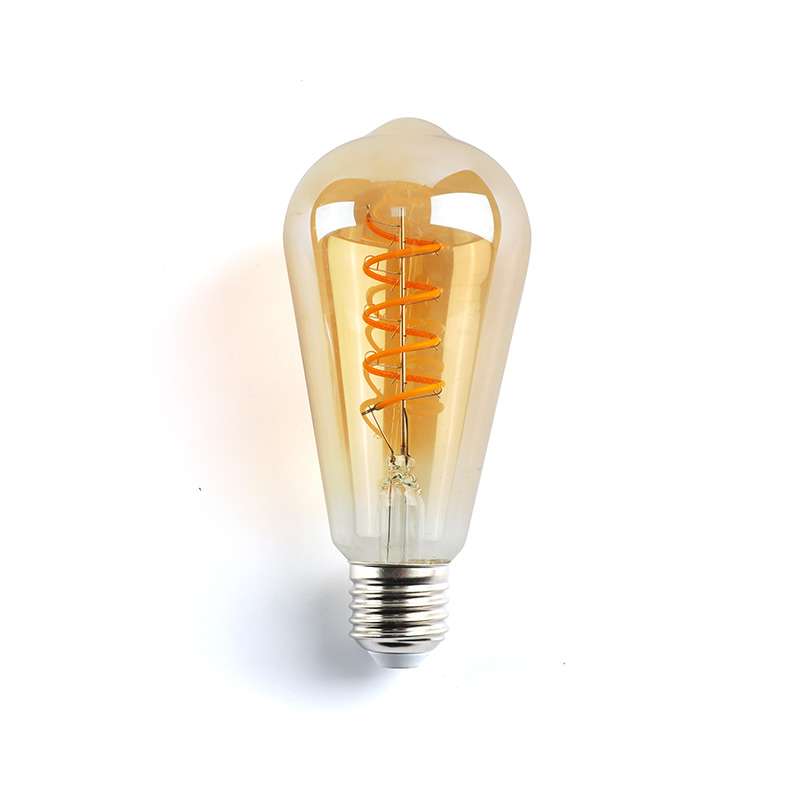
"Edison bulb" technically refers to bulbs modeled after Thomas Edison's original carbon-filament design — typically teardrop or globe-shaped, with a single looping or twisted filament visible through clear glass. The filament is the point. It's a statement piece, not just a light source.
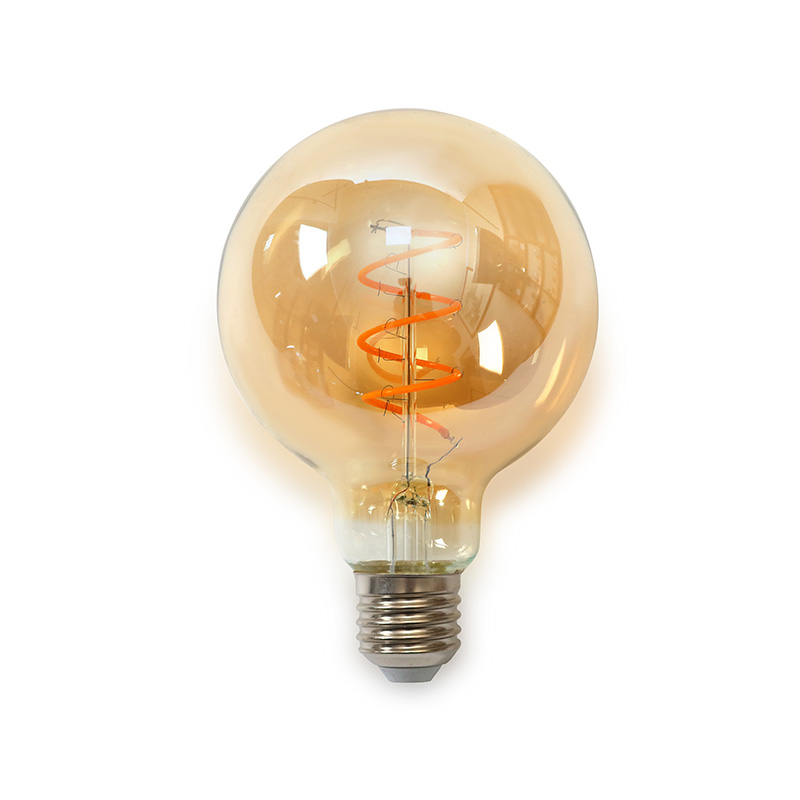
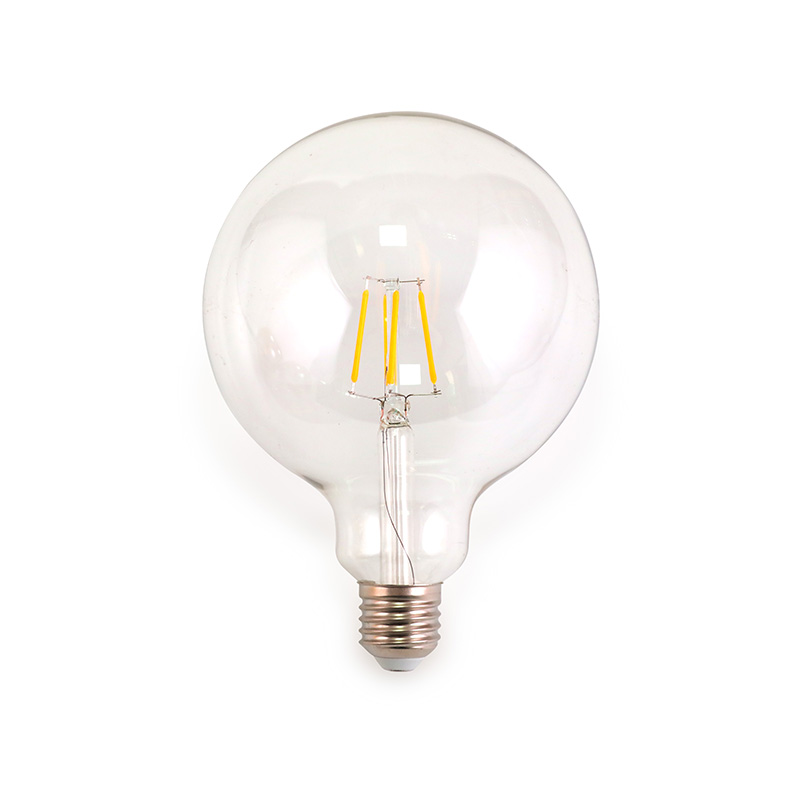
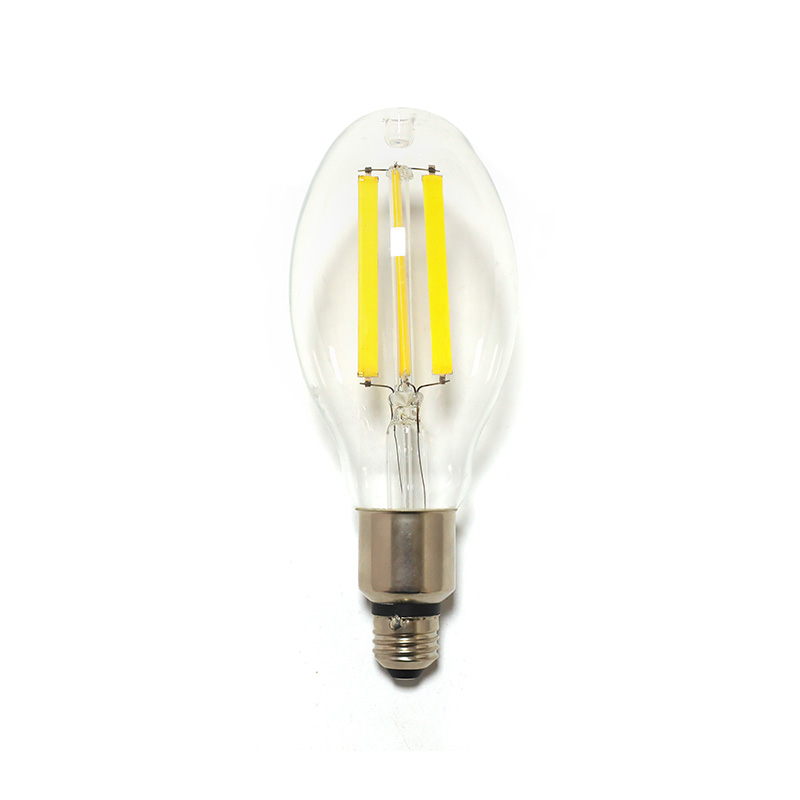
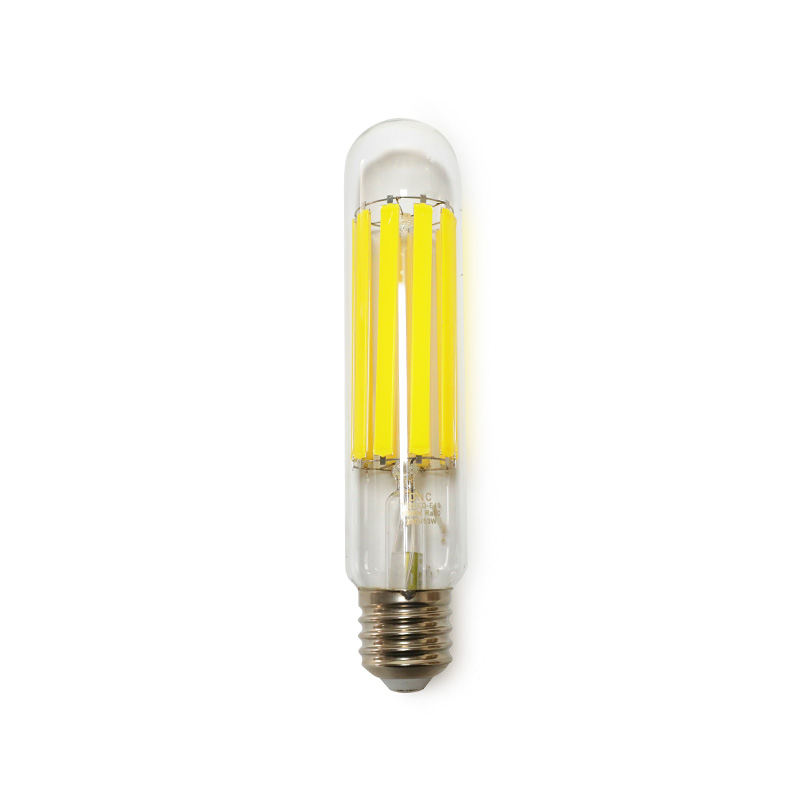
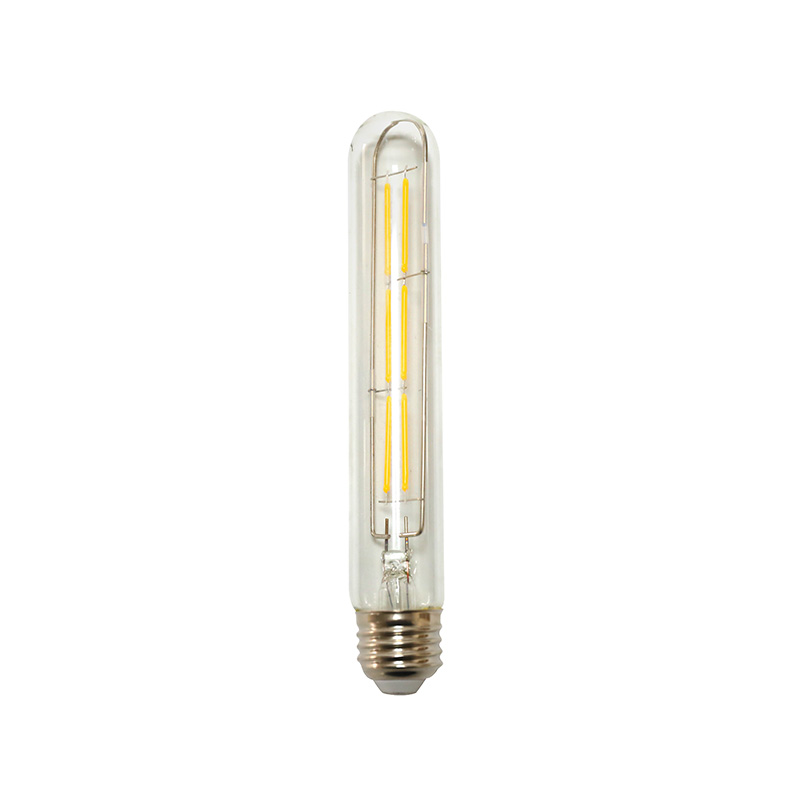
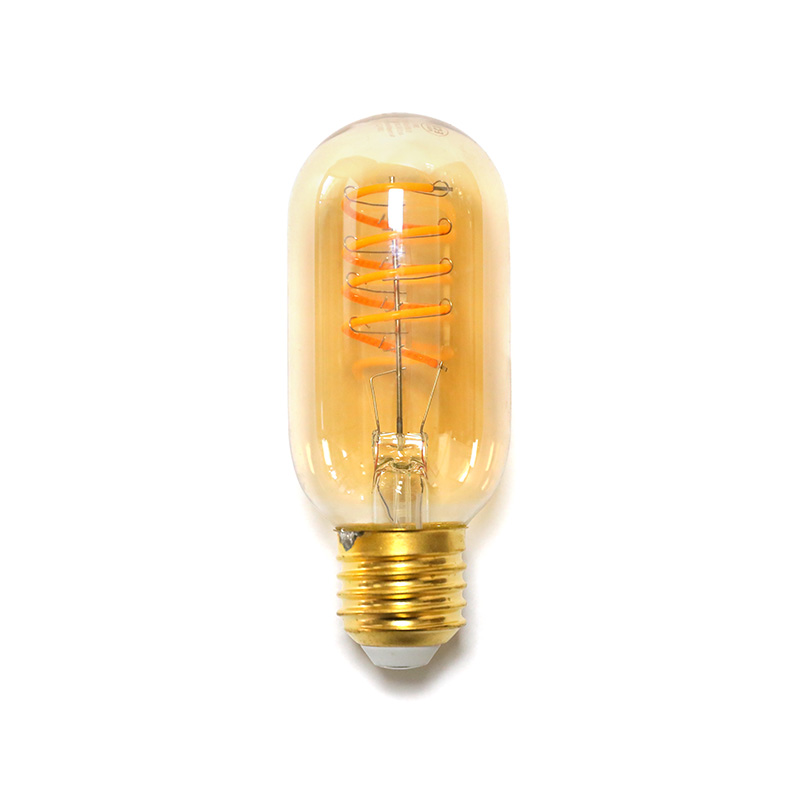
"Vintage light bulb" is the broader category. It covers Edison-style bulbs, but also tubular types (T30, T45), candle shapes (C35), spherical globes (G80, G95, G125), and straight-filament antique designs. All vintage bulbs share one trait: the filament is exposed and decorative. Not all vintage bulbs are Edison bulbs.
The practical takeaway: if you want the classic pear-shaped teardrop silhouette, you want an Edison. If you want flexibility in shape and filament pattern, you want to shop the wider vintage category.
Shape & Filament: The Decision That Actually Matters
Shape determines how a bulb fits a fixture and how it looks when lit. Filament design controls the character of the glow. Here's how the most popular options compare:
| Model | Shape | Wattage | Lumens | Color Temp | Lifespan | Base |
|---|---|---|---|---|---|---|
| ST64 Twin Loop | Edison teardrop | 5W | 250 lm | 2200K | 25,000H | E26/E27/B22 |
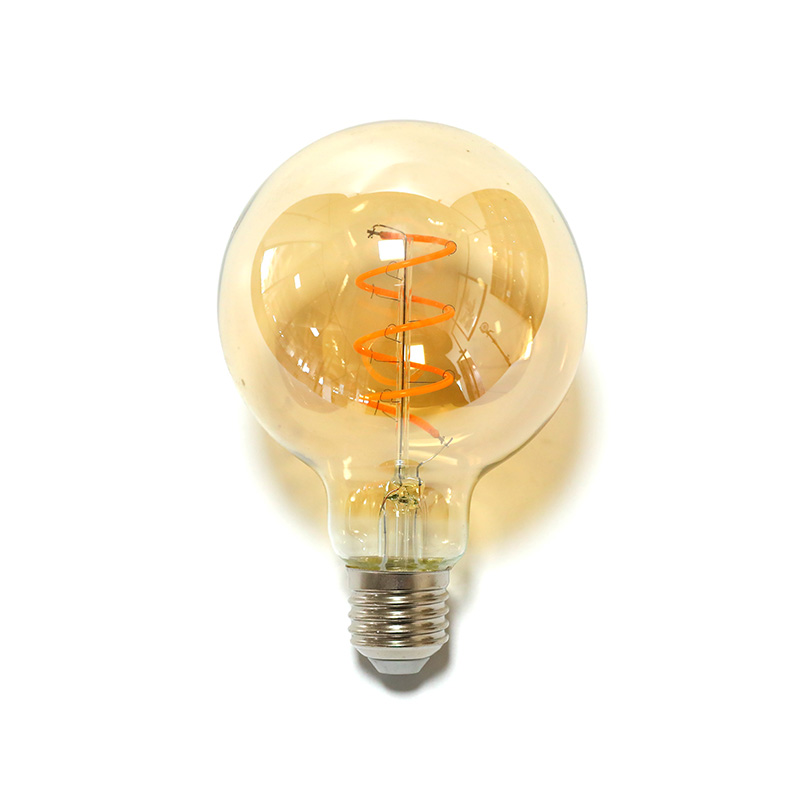
| G95 Double Ring | Globe (95mm) | 5W | 250 lm | 2200K | 25,000H | E26/E27/B22 |
| T45 Tubular | Slim tube | 4W | 200 lm | 2200K | 25,000H | E26/E27 |
| G125 Golden Warm | Large globe (125mm) | 6W | 300 lm | 2200K | 25,000H | E26/E27/B22 |
Notice that all of these run at 2200K — a deep amber tone noticeably warmer than the 2700K "warm white" you'd get from a standard LED. That extra warmth is why vintage bulbs look so good in exposed pendants and chandeliers. It's also why they're a poor choice for reading lamps or task lighting where you need clarity.
Filament variety matters too. Our ST64 uses a twin-loop structure, while the G95 features a double-ring design — both visible through clear glass and both rated at CRI 80–90, meaning colors rendered under this light look natural and rich. For pendant fixtures without shades, the G95's spherical globe casts light in all directions. For directional pendants or cage-style fixtures, the ST64's elongated teardrop shape is the cleaner fit.
LED or Incandescent: The Real Trade-Off
Most Edison light bulbs sold today are LED filament bulbs — not the original incandescent type. The LED version uses roughly 4–6W versus the 40–60W of true incandescent vintage bulbs, while producing a nearly identical amber glow. At 25,000 hours of rated lifespan, an LED filament bulb running 6 hours per day lasts over 11 years. An incandescent vintage bulb, by comparison, typically rates around 1,000–3,000 hours.
The one trade-off: dimming compatibility. LED filament bulbs require an LED-compatible dimmer — standard incandescent dimmers can cause flickering. If your fixtures already have legacy dimmers, verify compatibility before purchasing, or upgrade the dimmer first. Voltage range on our lineup covers 110–240V, so they work across North America and Europe without any adapter.
Room-by-Room: Which Bulb Fits Where
Dining rooms and restaurants: The ST64 or G95 in a pendant cluster at 2200K creates exactly the warm, intimate atmosphere that makes a meal feel like an event. Pair them with a dimmer for full control over the mood.
Living room accent lighting: The G125 globe works well in an exposed floor lamp or decorative table lamp where the large silhouette reads as a design element. At 300 lumens, it provides ambient light without overwhelming a space already lit by other sources.
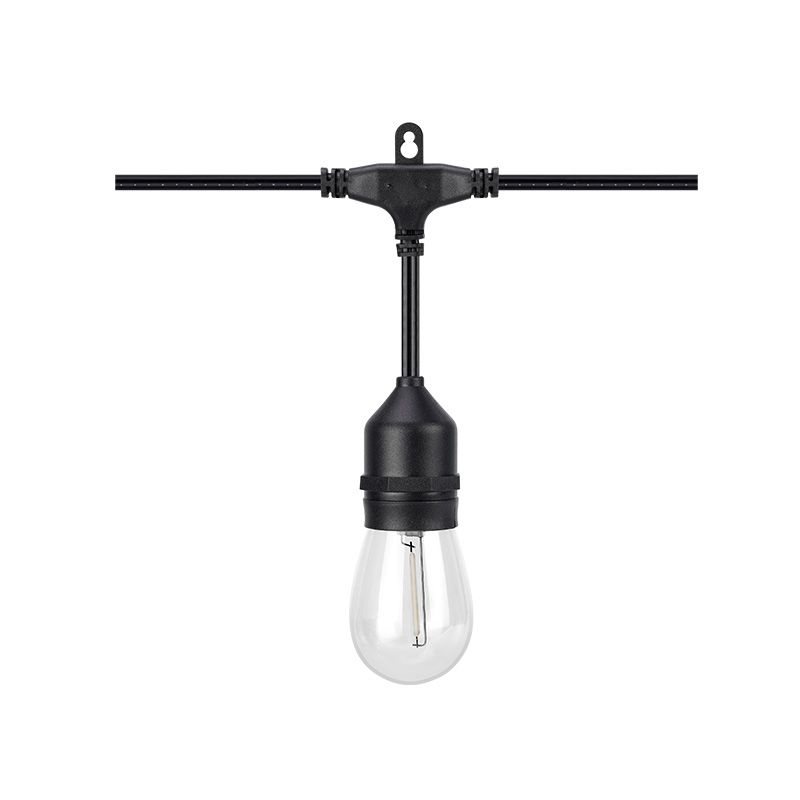
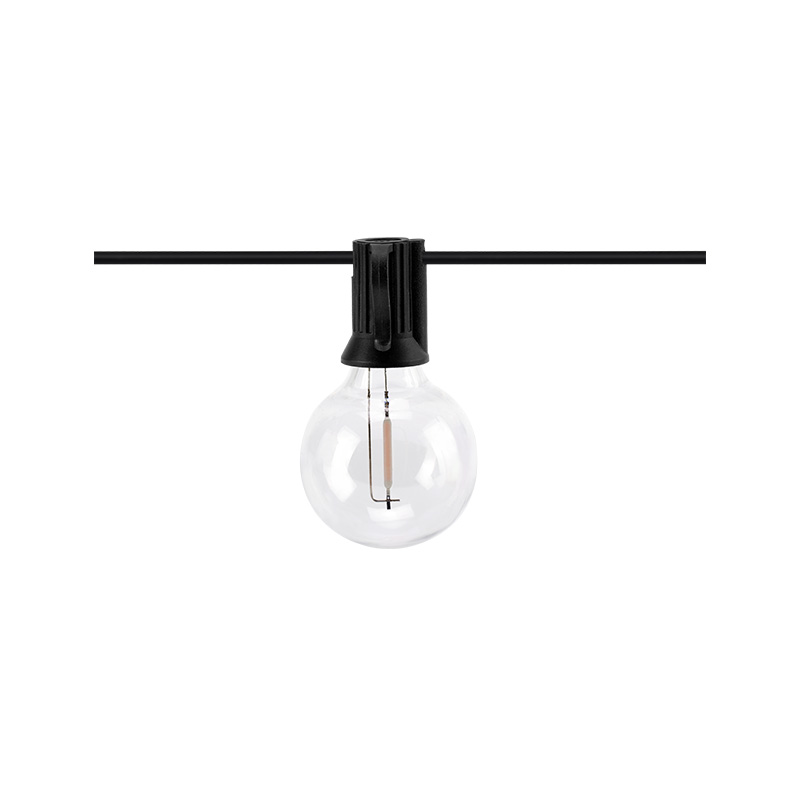
Cafés, bars, and retail: Tubular T45 models suit open-shelf displays and Edison-string installations where a slimmer silhouette keeps the focus on merchandise rather than the bulb itself.
Bedrooms: Any of these vintage light bulbs at 250 lm is well-suited to a bedside table lamp — enough to read by without being harsh, and the 2200K tone naturally signals the body to wind down toward sleep.
Where these bulbs don't belong: kitchens, home offices, bathrooms, and anywhere that requires 800+ lumens of task lighting. For those spaces, stick with standard LED bulbs in a neutral or cool white.
The Short Version
Edison is a style within the vintage category — not a synonym for it. Both deliver the same deep amber warmth at 2200K, both run efficiently at 4–6W, and both last up to 25,000 hours in LED form. The choice between an ST64 teardrop, a G95 globe, or a T45 tube comes down to fixture shape and the visual character you want when the light is on. Get that match right, and the bulb becomes part of the décor rather than just a light source.