 English
 русский
Content
A standard incandescent bulb turns about 90% of its energy into heat. In a warehouse running 12-hour shifts, that waste is measured in thousands of dollars per year. That's the core problem industrial high lumen filament lamps were built to solve — and they do it without sacrificing the brightness that demanding work environments actually need.
Why Standard Bulbs Fail in Industrial Settings
Industrial environments impose three stresses that consumer-grade bulbs simply aren't designed for: constant switching cycles, mechanical vibration, and wide temperature swings. A metal halide lamp in a factory may need 15–20 minutes to warm up to full brightness — a significant problem for motion-activated zones. It also contains mercury, adding disposal complexity and environmental liability.
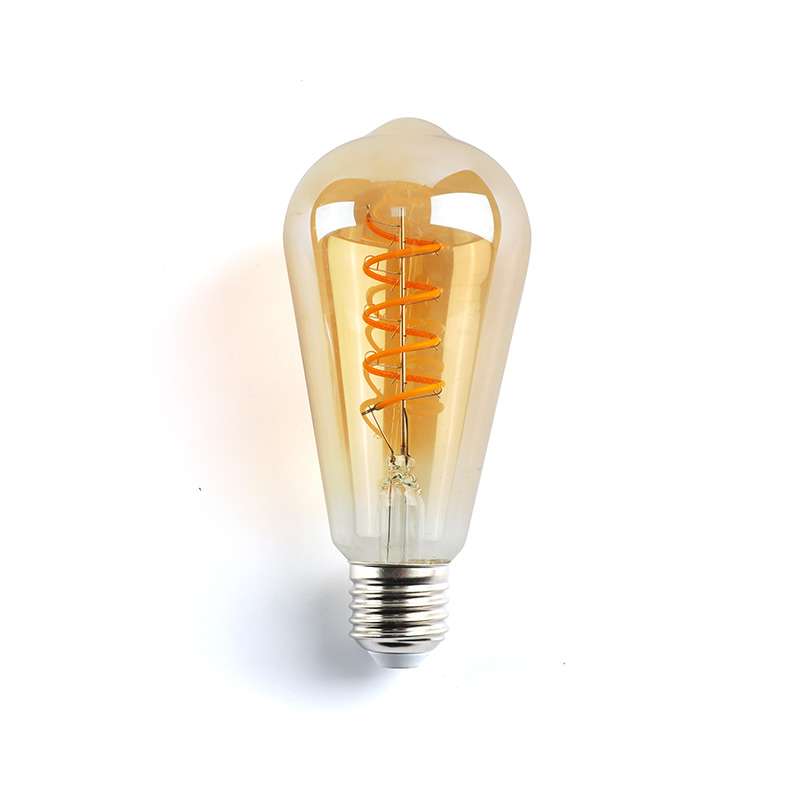
LED filament technology eliminates those issues outright. There is no warm-up delay, no toxic fill gas, and no fragile arc tube. The result is a lamp that switches on instantly and holds its output through tens of thousands of operating hours.
The Numbers That Matter: Lumens, Watts, and Lifespan
One metric defines every meaningful upgrade decision in industrial lighting: lumens per watt. According to the U.S. Department of Energy's guidance on LED technology, quality LED products use at least 75% less energy than traditional incandescent alternatives while delivering comparable or superior brightness. In practical terms, a 150W LED high lumen lamp can match the output of a 400W metal halide unit — with the operational lifespan exceeding 50,000 hours.
For a facility running 16 hours a day, 50,000 hours means roughly 8.5 years before the first bulb replacement. That directly cuts maintenance labor, lift equipment rentals, and production downtime.
| Technology | Typical Efficacy | Avg. Lifespan | Instant-On | Mercury-Free |
|---|---|---|---|---|
| Metal Halide | 75–100 lm/W | 6,000–15,000 hrs | No | No |
| High-Pressure Sodium | 85–130 lm/W | 12,000–24,000 hrs | No | No |
| LED Filament (Industrial) | 120–150+ lm/W | 50,000+ hrs | Yes | Yes |
Two Lamp Formats Worth Knowing
Not all industrial high lumen filament lamps are interchangeable. Form factor determines fixture compatibility, beam distribution, and installation method. Two designs handle the majority of real-world applications.
ED90 Pear-Shape Lamps
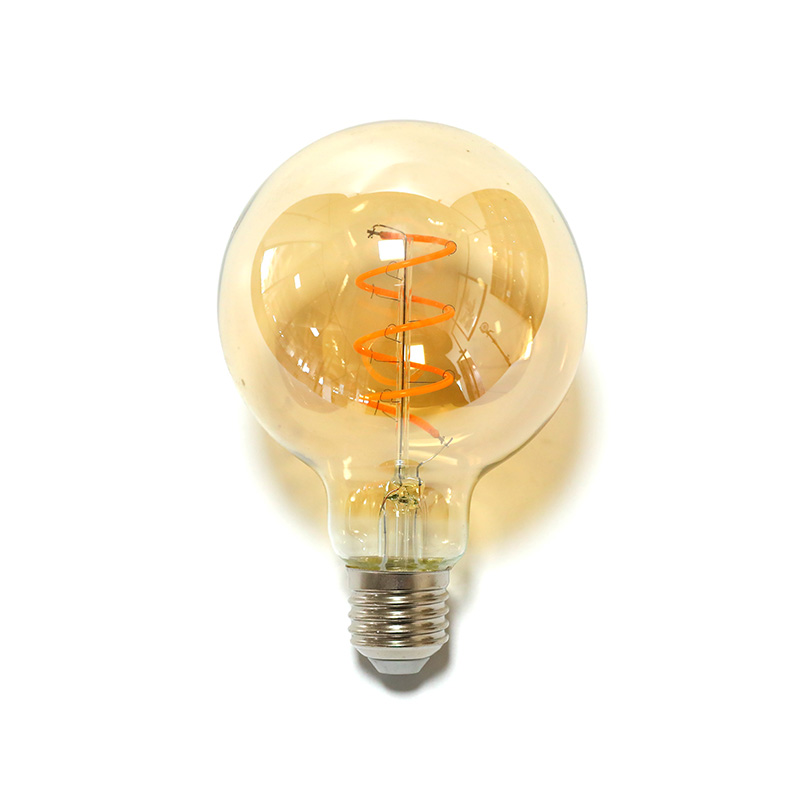
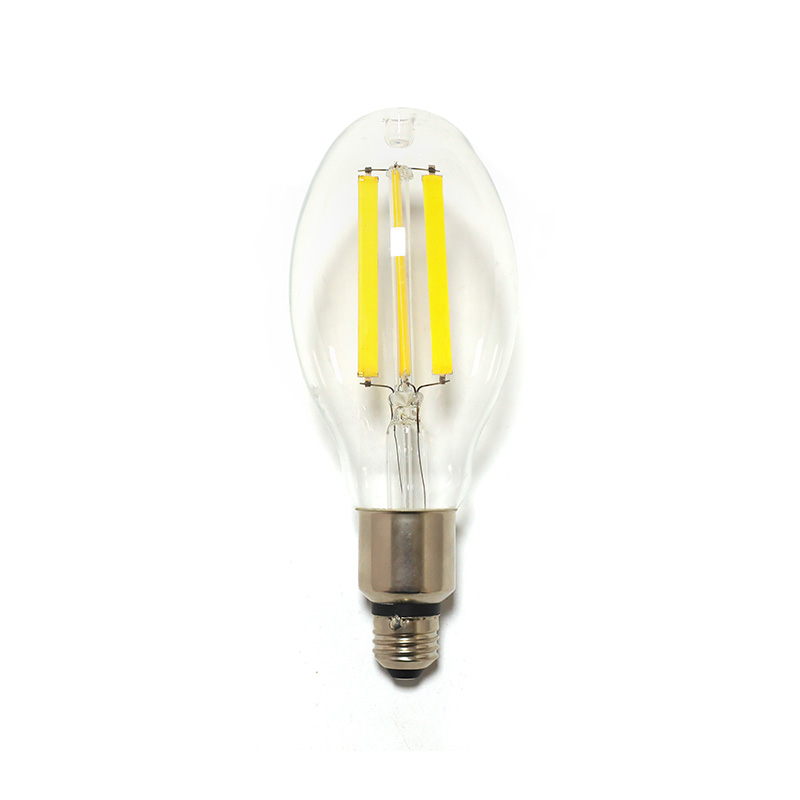
The ED90 pear-shape high lumen filament lamp uses a broad glass envelope that fits the most common industrial and mining fixture types — pendant high bays, factory floodlights, and enclosed industrial housings. Available in 18W, 24W, and 50W configurations across 120V–240V input voltage, it covers both low-power task zones and high-ceiling general illumination. The glass shell provides good light transmittance while protecting the internal light source against vibration and dust ingress. It is primarily suited to workshops, factories, and mine shafts where reliable overhead brightness is non-negotiable.
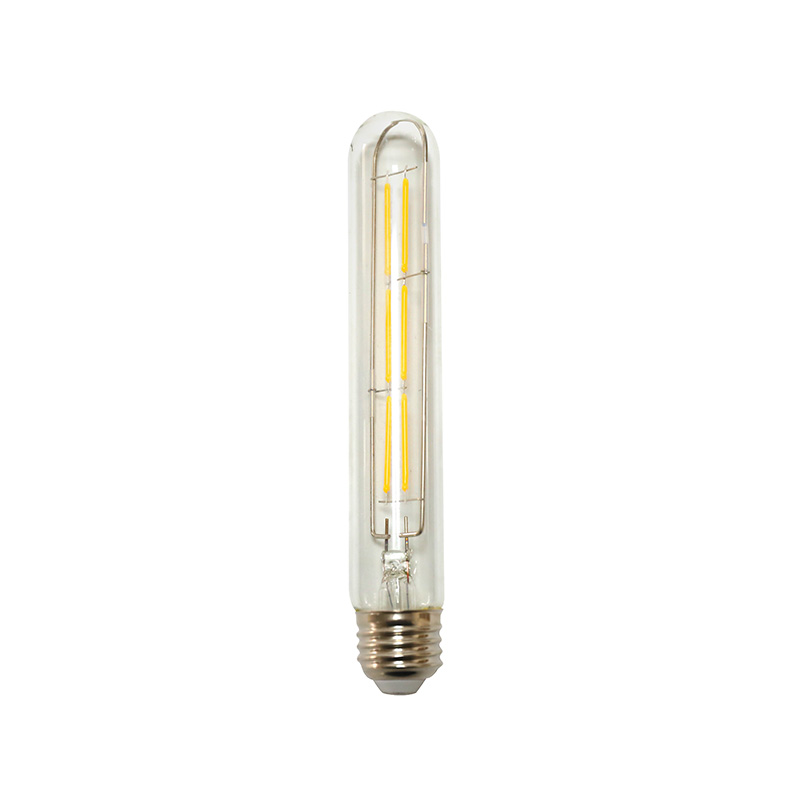
R7S Double-Ended Tube Lamps
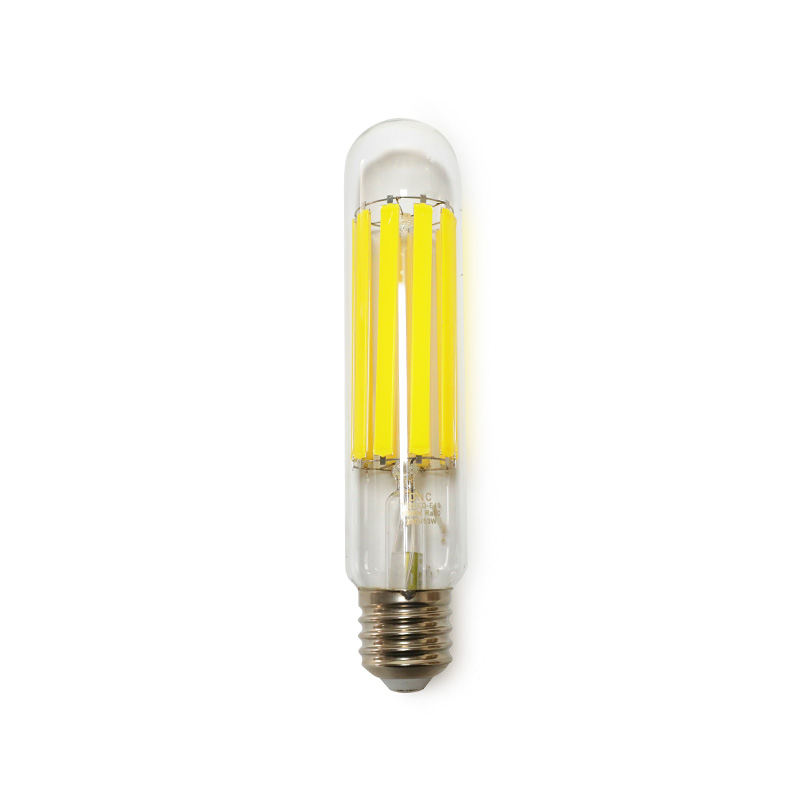
The R7S double-ended tube high lumen filament lamp is designed for a different class of fixture — narrow linear luminaires and specialized holders where a linear tube delivers the most efficient beam distribution. The double-ended contact points lock the lamp securely into R7S holders, making it resistant to loosening from vibration. It shares the same 18W / 24W / 50W power range and 120V–240V voltage compatibility, so it slots into international supply chains without rewiring. Both products carry CE and RoHS certification, confirming compliance with European safety and hazardous substance standards.
Choosing the Right Lamp: A Practical Decision Framework
Picking the wrong lamp for a space wastes money twice — once in over-spending on wattage, and again in under-lit work zones that create safety risk. Use these four criteria to narrow the selection:
- Ceiling height: High-bay installations (above 20 feet) benefit from the ED90's broader envelope and higher wattage options. Linear R7S fixtures are better suited to lower ceilings and directional illumination tasks.
- Lumen requirement: General warehouse aisles typically need around 20 lumens per square foot; quality control and precision assembly areas may require 1,000 lux or more at the work surface. Match wattage to measured area, not intuition.
- Fixture compatibility: Check existing socket type before ordering. The ED90 uses standard screw bases; the R7S requires a dedicated R7S holder. Mismatching delays projects and adds costs.
- Voltage: Both lamp series support 120V–240V, which simplifies procurement for facilities operating on mixed or international electrical standards.
The ROI Case for Upgrading Now
Energy costs in industrial facilities compound daily. A single 400W metal halide fixture running 16 hours a day consumes roughly 2,336 kWh per year. Replace it with a 50W LED equivalent and that figure drops to 292 kWh — a reduction of more than 87%. Across a 200-fixture warehouse, that difference in annual electricity alone is substantial, before counting avoided maintenance and lamp replacement costs.
Most facilities see full return on investment within one to three years of switching to LED-based industrial high lumen lamps. After payback, the energy savings continue for years — which explains why this category has become the default specification choice for new construction and retrofit projects worldwide.
Final Checklist Before Purchasing
- Confirm ceiling height and fixture type (ED90 vs. R7S)
- Calculate lumen requirements per zone, not per building
- Verify input voltage range matches site electrical supply
- Check that products carry CE and RoHS certification
- Request wattage options: 18W / 24W / 50W to match zone needs precisely
Industrial lighting isn't a place to compromise. The right industrial high lumen filament lamps deliver better visibility, lower energy bills, and fewer maintenance interventions — all in a single drop-in upgrade that works with existing fixtures.