 English
 русский
Content
- 1 Home Filament Light Bulbs Deliver Immediate Ambiance and Long-Term Savings
- 2 What Defines a Modern Home Filament Light Bulb
- 3 Energy Efficiency and Performance Data
- 4 Popular Bulb Shapes and Their Ideal Placements
- 5 Dimmer Compatibility and Smart Home Integration
- 6 Quality Indicators and Certification Standards
- 7 Customization Options for Cohesive Interior Design
- 8 Installation Practices That Preserve Appearance and Safety
- 9 Long-Term Value and Design Versatility
Home Filament Light Bulbs Deliver Immediate Ambiance and Long-Term Savings
Home filament light bulbs combine the warm, inviting glow of traditional incandescent lamps with modern LED efficiency. They are the ideal choice for anyone seeking to enhance interior decor while reducing energy consumption. A standard LED filament bulb consumes up to 90% less electricity than its incandescent counterpart and can last 15,000 hours or more, making it a practical upgrade for any living space.
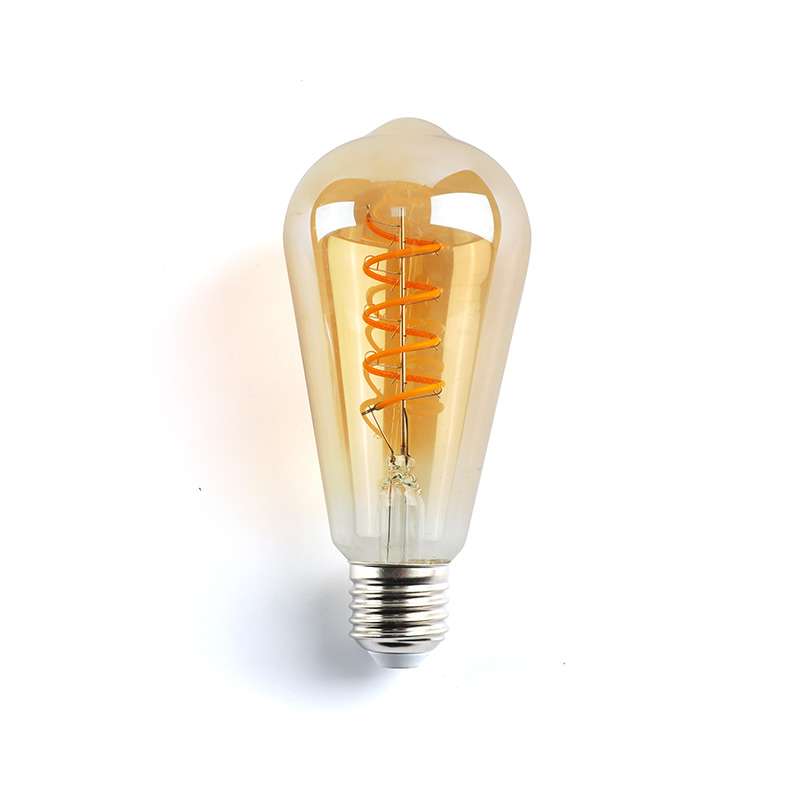
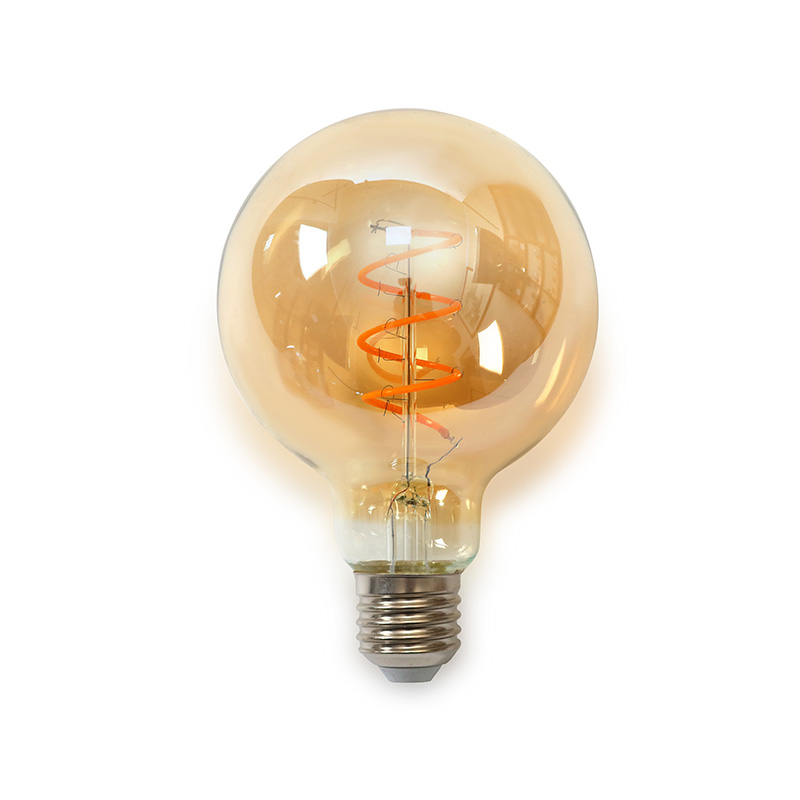
The distinctive visible filaments, arranged in intricate patterns, serve as both a light source and a design element. These bulbs work exceptionally well in exposed sockets, pendant lights, and chandeliers where the bulb itself becomes part of the visual appeal.
What Defines a Modern Home Filament Light Bulb
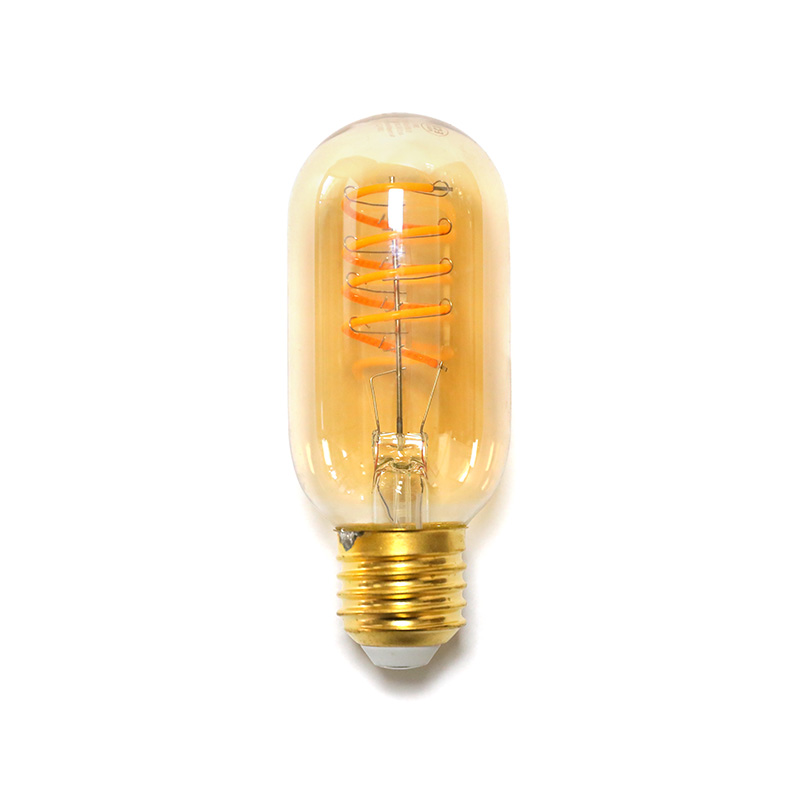
Today’s home filament bulbs are LED-based, yet they faithfully reproduce the look of Edison-style carbon or tungsten filaments. Inside a clear or lightly tinted glass envelope, multiple LED strips are arranged to mimic the classic squirrel-cage, spiral, or linear filament designs. The glass is often hand-blown or crafted to exacting standards, giving each bulb a subtle, artisanal character.
Color temperature plays a pivotal role in the vintage effect. Most home filament bulbs operate at a warm 2200K to 2700K, closely matching the soft amber hue of original incandescents. High color rendering index (CRI) values above 90 ensure that furniture, textiles, and wall colors appear natural and vibrant under the light.
Energy Efficiency and Performance Data
Switching to filament LED bulbs dramatically cuts household lighting costs. A typical 4-watt LED filament bulb produces the same lumen output as a 40-watt incandescent. Over the bulb’s lifespan, that difference translates to a saving of approximately 540 kWh per bulb, assuming 3 hours of daily use.
| Bulb Type | Wattage | Annual Energy Cost* | Average Lifespan |
|---|---|---|---|
| Incandescent | 60 W | $7.20 | 1,200 hours |
| LED Filament | 6 W | $0.72 | 15,000 hours |
*Based on 3 hours per day and an electricity rate of $0.11 per kWh. Actual savings vary by region.
The low heat emission of LED filament bulbs also reduces cooling loads in summer, adding an indirect cost benefit. Because they contain no mercury and meet RoHS standards, disposal is straightforward and environmentally responsible.
Popular Bulb Shapes and Their Ideal Placements
Home filament bulbs come in a wide range of shapes, each suited to specific fixtures and design styles. Selecting the right silhouette ensures both proper fit and the desired aesthetic impact.
- A19 and A21 – The classic household shape, perfect for table lamps, floor lamps, and enclosed ceiling fixtures where a familiar profile is needed.
- ST64 and ST58 – Tubular with a slightly tapered body, these are favorites for pendant lights over kitchen islands and in rustic or industrial decor.
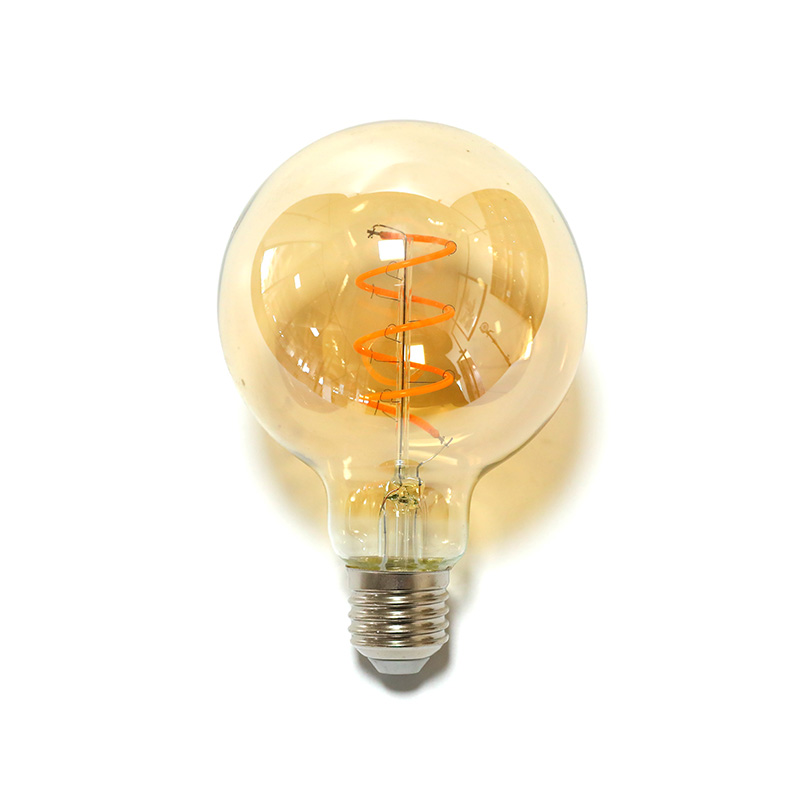
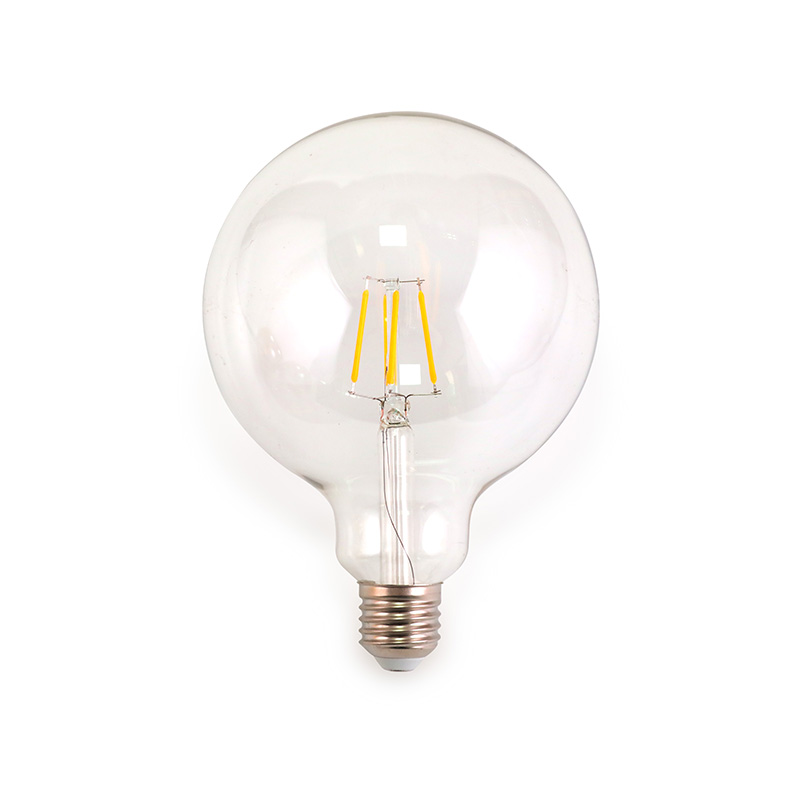
- G80 and G95 – Large globes that make a bold statement in multi-light chandeliers or as single exposed bulbs in spacious rooms.
- C35 and FC35 – Candle-shaped bulbs with a delicate appearance, often used in wall sconces, chandeliers, and decorative fixtures where a flame-like tip enhances elegance.
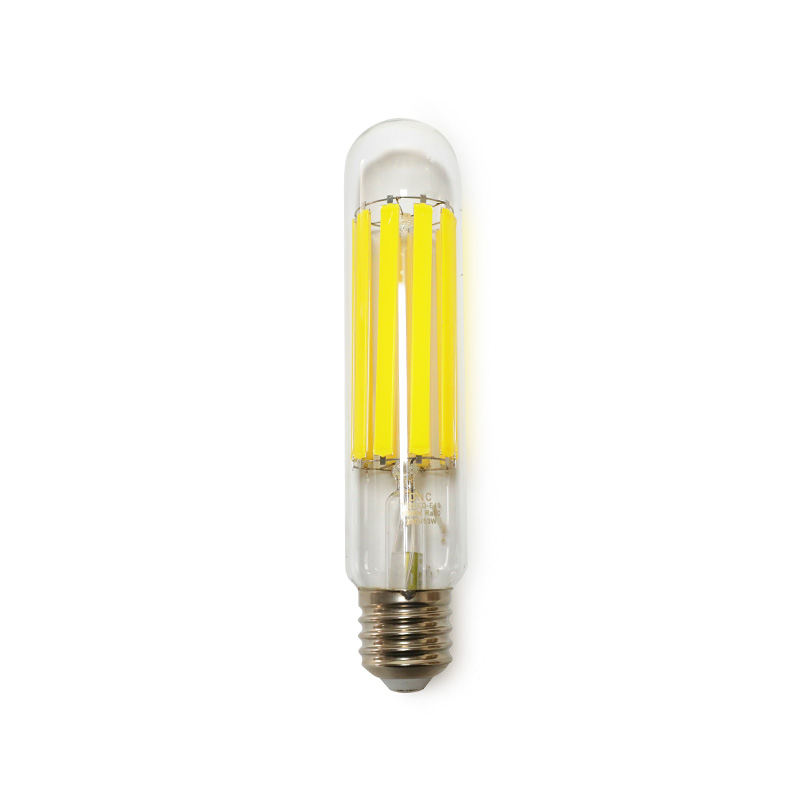
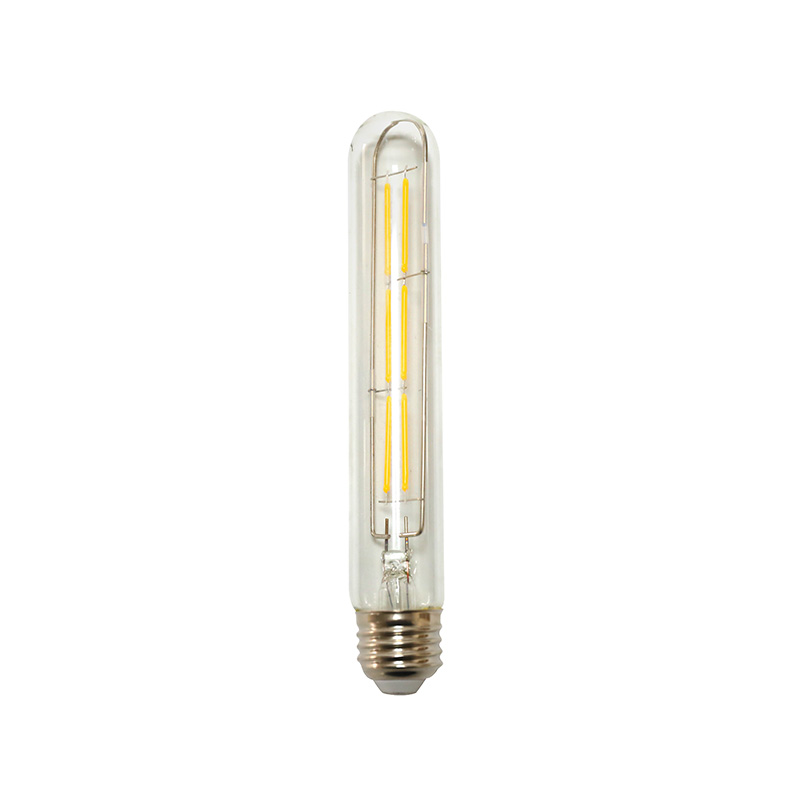
- T8, T9, T10 – Slim tubular bulbs suited for picture lights, bathroom vanities, and display cabinets where a linear light source is required.
- BT53, BT75, BR95 – Larger blown glass bulbs that offer a vintage industrial look, excellent for high-ceiling pendants and loft-style interiors.
All these shapes are available with standard E26 or E27 bases, and many can be customized with different glass finishes such as clear, amber-tinted, or frosted. When choosing, consider the socket orientation: downward-facing sockets highlight the filament’s intricate structure, while upward-facing arrangements cast a soft, glare-free glow on the ceiling.
Dimmer Compatibility and Smart Home Integration
A common question is whether vintage-style LED filament bulbs work with existing dimmer switches. The answer is yes, provided you select bulbs explicitly labeled as dimmable and pair them with a compatible LED dimmer. Incompatible combinations often cause flickering or a limited dimming range. Leading edge and trailing edge dimmers each interact differently; checking the bulb manufacturer’s compatibility list prevents performance issues.
Many home filament bulbs now integrate with smart lighting ecosystems. They can be used in smart sockets or controlled through smart switches, enabling scheduling, scene creation, and voice control without sacrificing the vintage look. This bridges classic aesthetics and modern convenience seamlessly.
Quality Indicators and Certification Standards
When sourcing home filament light bulbs, look for products that comply with CE and RoHS directives. CE marking confirms conformity with health, safety, and environmental protection standards for products sold within the European Economic Area. RoHS compliance guarantees that hazardous substances like lead and mercury are below specified limits, making the bulbs safe for home use and environmentally sound.
Additional quality markers include a warranty of at least 2 years, a power factor above 0.7, and a stated CRI above 90. Reliable suppliers also provide detailed lumen output and beam angle specifications. Factory-level OEM/ODM providers with a dedicated quality control team will often test each batch for lumen maintenance, color consistency, and switching endurance, ensuring that the bulbs perform identically even when ordered in large quantities.
Customization Options for Cohesive Interior Design
For interior designers and retailers, bespoke filament bulb solutions offer a competitive edge. Beyond standard shapes, it is possible to order bulbs with specific color temperatures, extra-long necks, or custom glass tints that match a brand’s visual identity. Some manufacturers accept OEM orders for unique filament patterns, such as spiral or lattice designs, and can print subtle logos on the glass stem for a discreet branded touch.
Custom packaging options are equally important. Kraft paper boxes with die-cut windows, vintage-style sleeve wraps, and magnetic closure boxes elevate the unboxing experience and reinforce a premium brand image. A supplier that offers end-to-end customization, from bulb shape to retail-ready packaging, can help a lighting brand differentiate itself in a crowded market.
Installation Practices That Preserve Appearance and Safety
Proper handling extends the life of filament bulbs and maintains their visual clarity. Follow these steps during installation:
- Always switch off the power at the circuit breaker before changing bulbs.
- Handle the bulb by its base, not the glass, to avoid leaving fingerprints that can burn into the surface when the bulb heats up.
- Ensure the fixture is rated for the bulb’s weight and dimensions; large globes like G125 can be heavy and require sturdy sockets.
- For damp locations such as bathrooms, select bulbs with an appropriate IP rating or use enclosed fixtures that protect the electronics.
- If using a dimmer, test the full dimming range after installation and adjust the dimmer’s low-end trim if flickering occurs.
Regular dusting with a dry microfiber cloth keeps the glass envelope crystal clear, maximizing light output and preserving the bulb’s decorative appeal.
Long-Term Value and Design Versatility
Home filament light bulbs are not a passing trend. Their ability to deliver an intimate atmosphere while meeting modern energy and longevity requirements makes them a staple in hospitality, retail, and residential projects. A single well-chosen filament bulb can transform a reading nook, highlight a piece of art, or serve as the centerpiece of a dining room fixture.
For those building or renovating a home, selecting a consistent series of filament bulbs across all decorative fixtures creates a unified look. Combining a G95 pendant in the kitchen, ST64 sconces in the hallway, and C35 candles in the chandelier builds a cohesive lighting narrative that is both functional and beautiful. With the right selection, every room can enjoy the timeless warmth of home filament light bulbs without sacrificing efficiency or control.