 English
 русский
Content
- 1 What Makes a Bulb "Antique Style"?
- 2 LED Filament vs. Traditional Incandescent: What You're Actually Choosing Between
- 3 The Specs That Actually Matter When Buying
- 4 Matching Bulb Shape to Application
- 5 Glass Finish: Clear vs. Amber vs. Smoked
- 6 Wattage and Fixture Compatibility: Don't Skip This Step
- 7 Common Mistakes to Avoid
- 8 Quick Reference: Choosing the Right Antique Lamp Bulb
Walk into any café, hotel lobby, or well-styled living room today, and you'll almost certainly spot one: a warm amber glow radiating from an exposed bulb with visible wire filaments. antique lamp bulbs have moved from niche collectors' items to a mainstream design staple — and for good reason. But choosing the wrong one is easier than you'd think. This guide cuts straight to what matters.
What Makes a Bulb "Antique Style"?
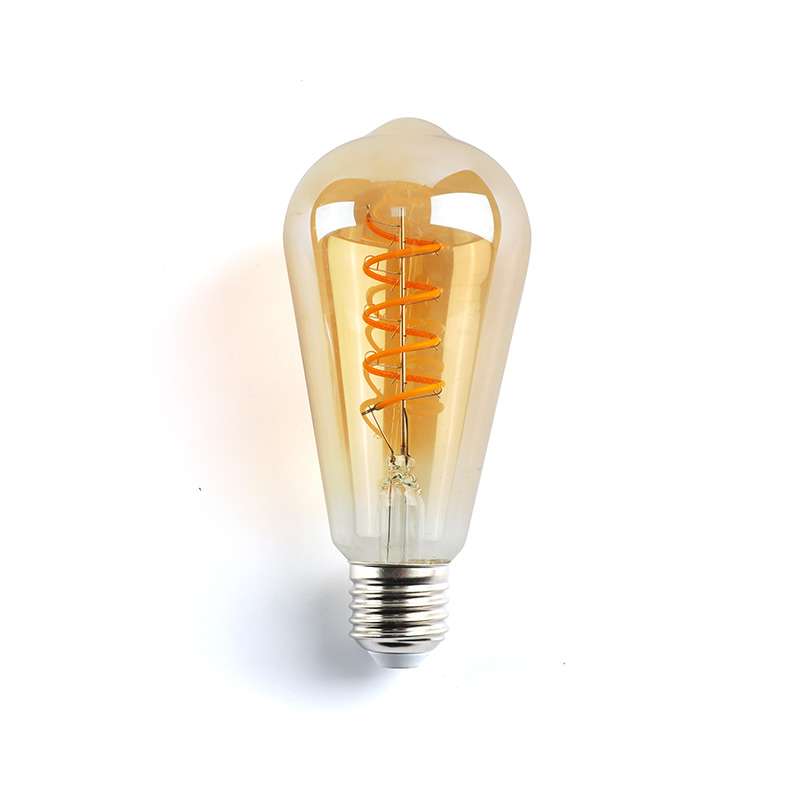
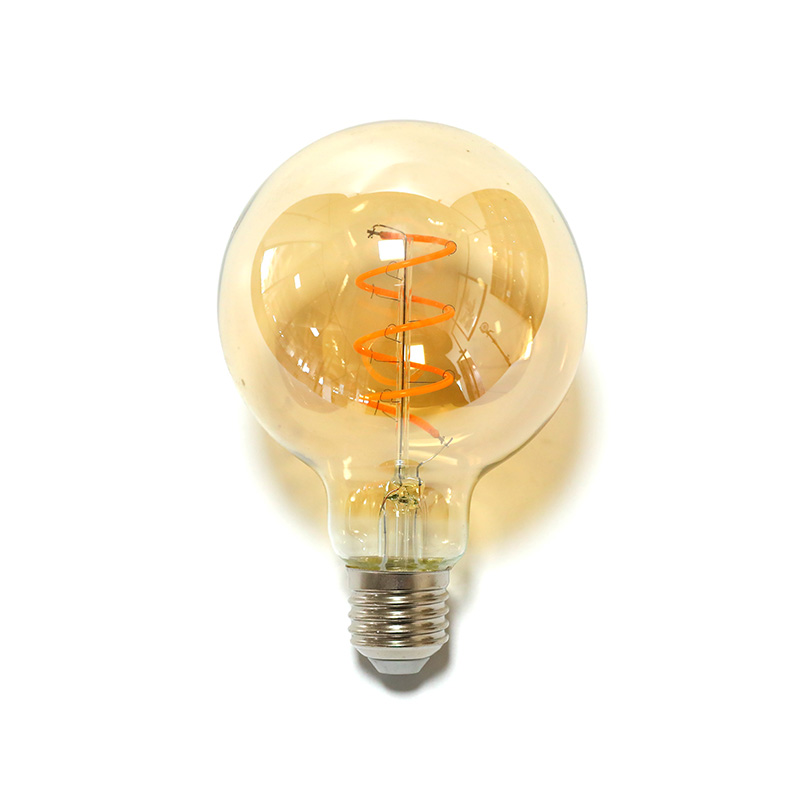
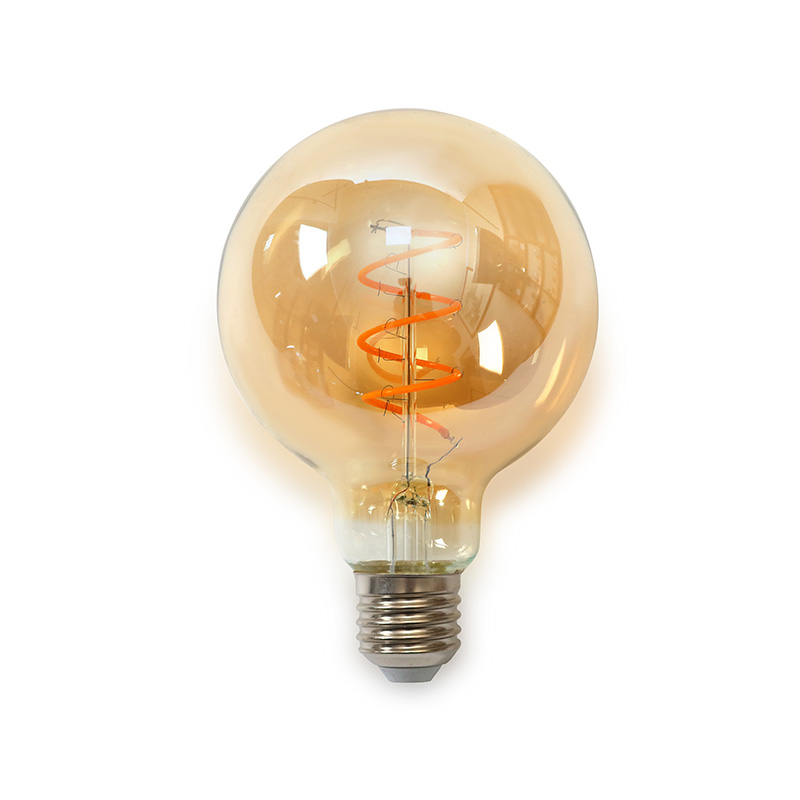
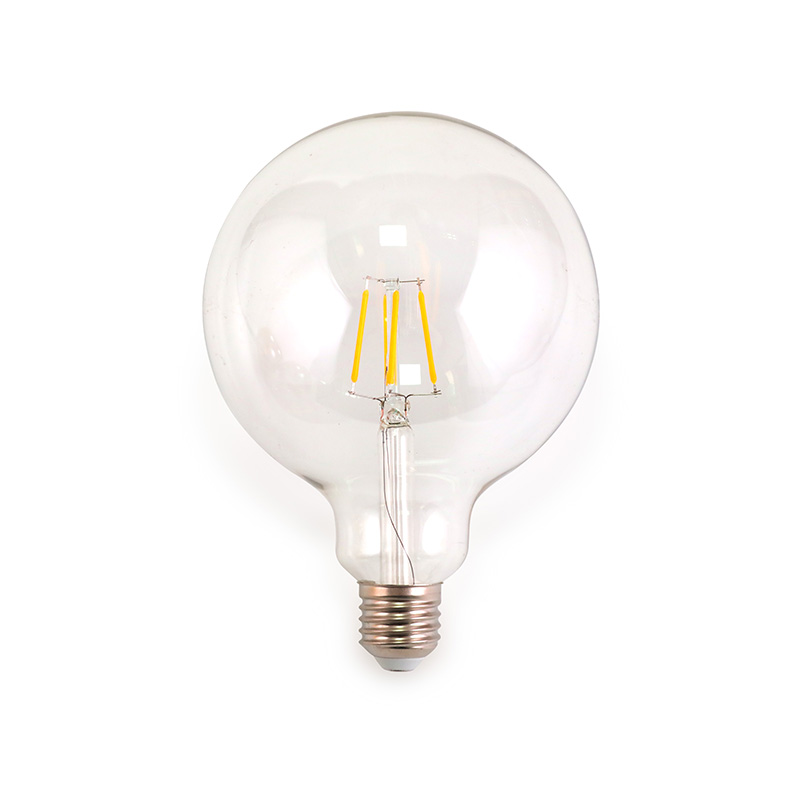
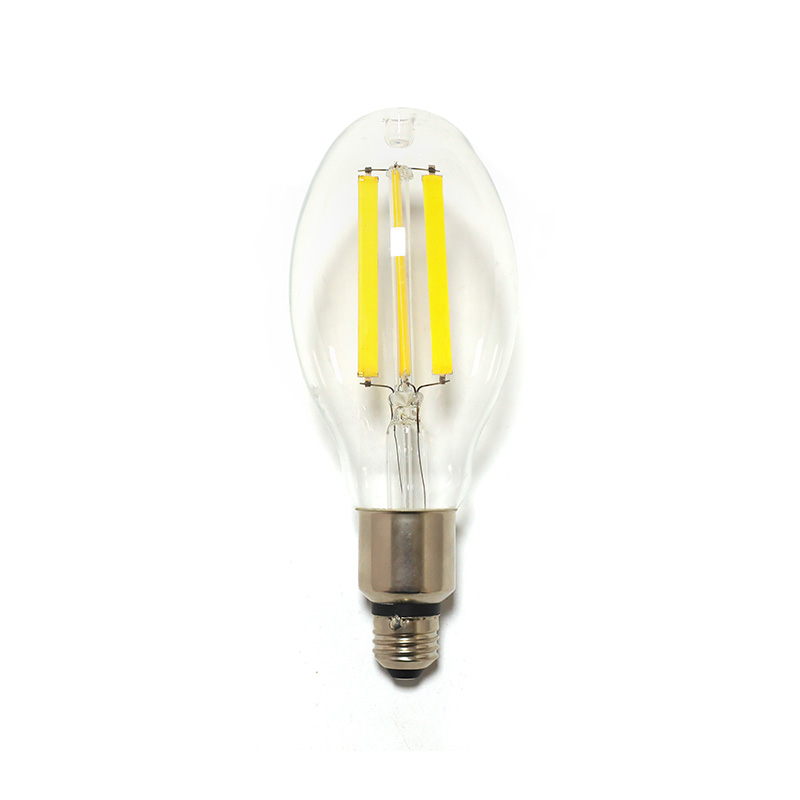
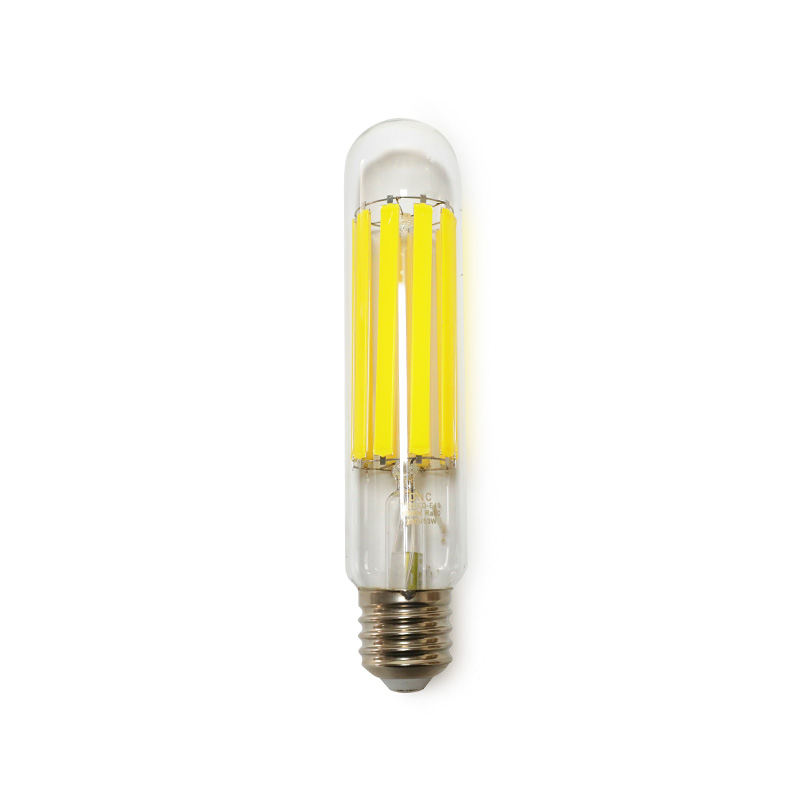
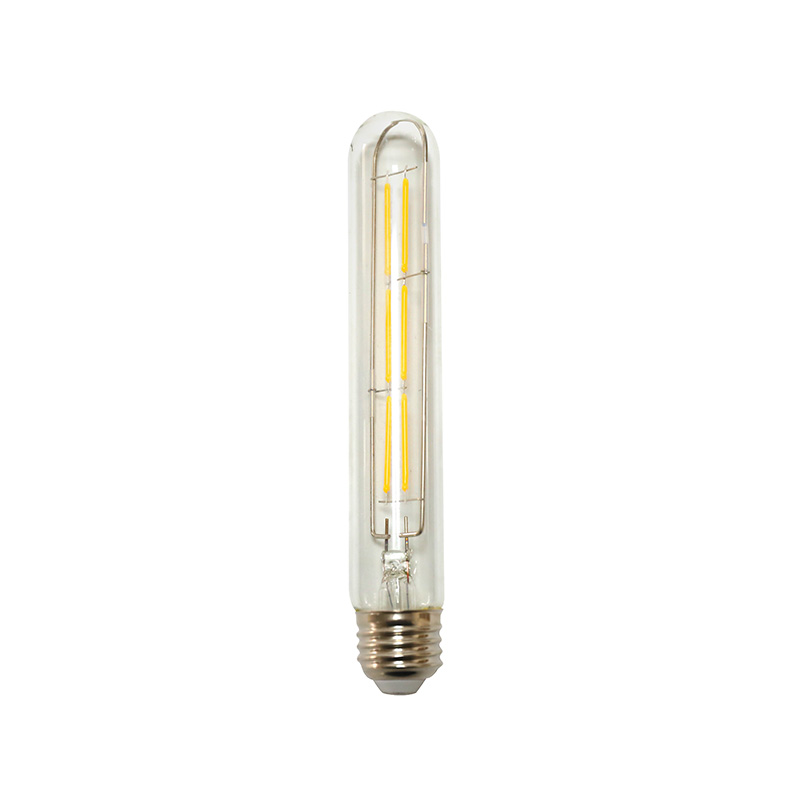
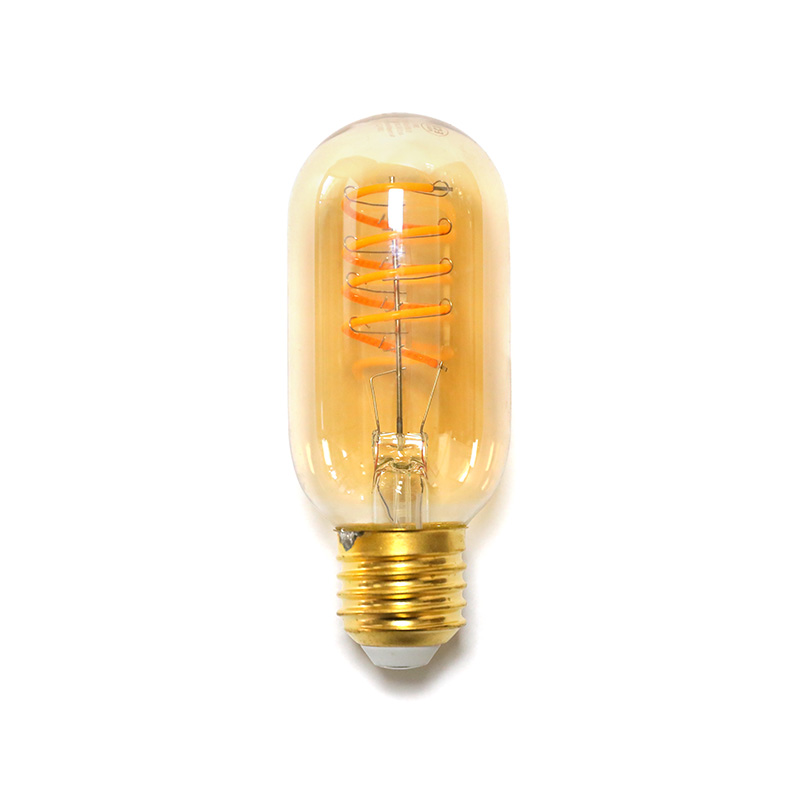
The term covers any bulb designed to mimic the look of early incandescent lamps — exposed filaments, amber-tinted or clear glass, and a warm color temperature. The most common shapes you'll encounter are ST64 (teardrop), T30/T45 (tubular), G80/G95 (globe), and the classic A19 Edison form. Each has a distinct silhouette, so the fixture you're using should guide your shape choice before anything else.
Modern versions use LED filament technology rather than traditional tungsten wire. The visual effect is nearly identical — same warm glow, same visible filament — but the performance gap is significant.
LED Filament vs. Traditional Incandescent: What You're Actually Choosing Between
Most people shopping for antique-style bulbs face this fork in the road. Traditional incandescent Edison bulbs produce that iconic amber warmth but burn hot and die fast — typically around 1,000 hours of lifespan. LED filament bulbs replicate the look while using roughly 75–80% less energy and lasting up to 25,000 hours, according to the U.S. Department of Energy's lighting efficiency guidelines.
For most buyers in 2026, LED filament is the practical choice. You get the aesthetic without the heat output, the fragility, or the frequent replacements. The only scenario where traditional incandescent might win is in extremely temperature-sensitive installations or for purist collectors who want authentic period hardware.
The Specs That Actually Matter When Buying
Color Temperature (Kelvin): This is the single most important spec for antique-style bulbs. The vintage look lives in the 2200K–2700K range. At 2200K you get a deep amber candlelight effect; 2700K gives you a softer warm white that still reads as "vintage" without being too yellow. Anything above 3000K starts to look modern and clinical — wrong for exposed-filament fixtures.
Lumens, not Watts: A 60W incandescent antique bulb emits around 400 lumens — noticeably dimmer than a standard 60W A19 bulb at 800 lumens. LED filament versions can match or exceed that while using only 4–8 watts. Always check the lumen rating, not just the wattage, to know how bright a bulb actually is.
CRI (Color Rendering Index): For spaces where you want color to look natural and rich — dining rooms, retail displays, photography studios — look for CRI 90+. Most quality LED filament bulbs now hit this mark, which means skin tones, food, and materials all look their best under the light.
Base Type: E26 (medium base) is the standard in North America; E27 is the European equivalent. Verify your fixture's socket before ordering. Specialty fixtures — pendant lights, wall sconces, candelabras — may use E12 or other bases.
Dimmability: Not all LED filament bulbs dim smoothly. If you're installing in a dimmable circuit, confirm the bulb is rated for dimming and check whether it's compatible with your existing dimmer switch. Most LED filaments require an LED-compatible trailing-edge dimmer.
Matching Bulb Shape to Application
Shape matters both visually and functionally. The ST64 teardrop is the workhorse of vintage lighting — it fits pendant fixtures, exposed Edison clusters, and open-shade table lamps equally well. Its elongated form makes the filament clearly visible from multiple angles, which is exactly what these fixtures are designed to showcase.
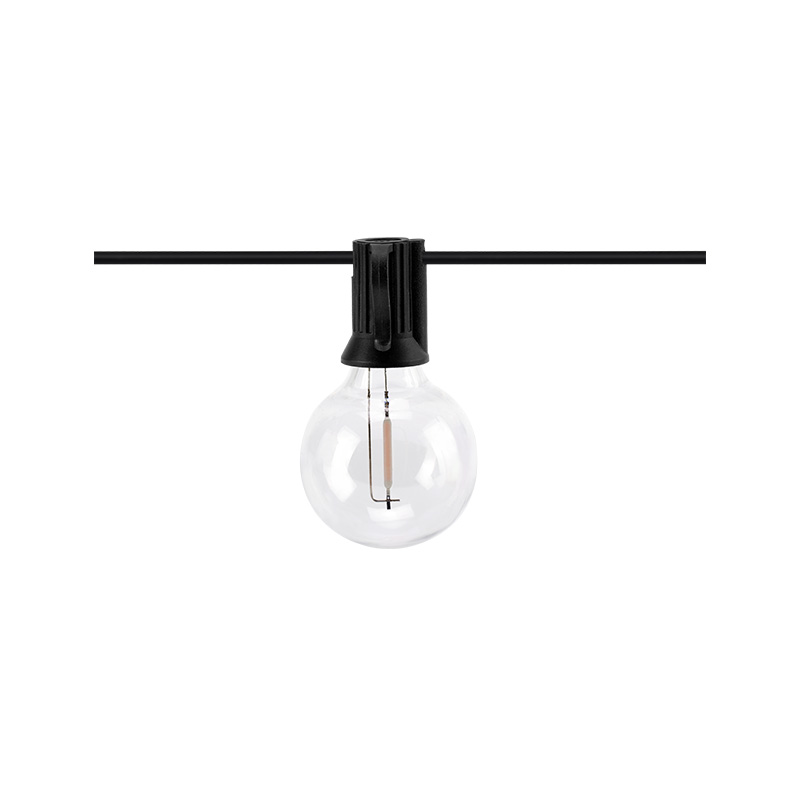
The T45 tubular bulb suits industrial and minimalist interiors — think warehouse-style spaces, exposed-pipe décor, or narrow pendant housings where a round globe would look out of proportion. Globe shapes like G80 and G95 work best in open fixtures where the bulb itself is meant to be a decorative focal point: vanity mirrors, statement pendants, and gift-style table lamps.
For general home lighting applications, the ST64 and G80 cover the majority of common fixtures without looking out of place.
Glass Finish: Clear vs. Amber vs. Smoked
Clear glass puts the filament on full display and works in fixtures with tight housing. Amber glass adds warmth at the source itself — the light appears slightly richer before it even leaves the bulb, which is ideal for spaces where you want maximum coziness. Smoked or gray-tinted glass diffuses the filament slightly, giving a more contemporary edge to what is otherwise a vintage format. If you're styling a decorative gift table lamp, amber or smoked finishes tend to photograph beautifully and read as more premium.
Wattage and Fixture Compatibility: Don't Skip This Step
Every fixture has a maximum wattage rating, usually printed inside the socket housing or on a label at the base. This limit was set with incandescent bulbs in mind. Because LED filament bulbs run at a fraction of the wattage — a 6W LED replacing a 60W incandescent — you have more flexibility, but you still need to respect the rating. Use the actual wattage of the LED (the smaller number on the packaging), not the incandescent equivalent it replaces.
For multi-bulb fixtures like chandeliers, calculate total wattage across all sockets. A six-socket chandelier rated at 180W can safely accommodate six 6W LED filament bulbs with room to spare.
Common Mistakes to Avoid
- Buying on wattage alone. Two bulbs with the same wattage can produce very different amounts of light. Always compare lumens.
- Ignoring color temperature. A 4000K "warm white" is not the same as 2700K vintage warm. The difference is immediately visible.
- Using a non-LED dimmer. Old-style leading-edge dimmers cause flickering and buzzing with LED filament bulbs. Upgrade to an LED-compatible dimmer if needed.
- Choosing the wrong shape. A T45 tube in a globe pendant looks awkward. Match the bulb's silhouette to the fixture's design intent.
- Overlooking CRI for food and retail spaces. In restaurants and retail, CRI below 80 makes products and food look flat. Aim for 90+.
Quick Reference: Choosing the Right Antique Lamp Bulb
| Application | Best Shape | Color Temp | Glass |
|---|---|---|---|
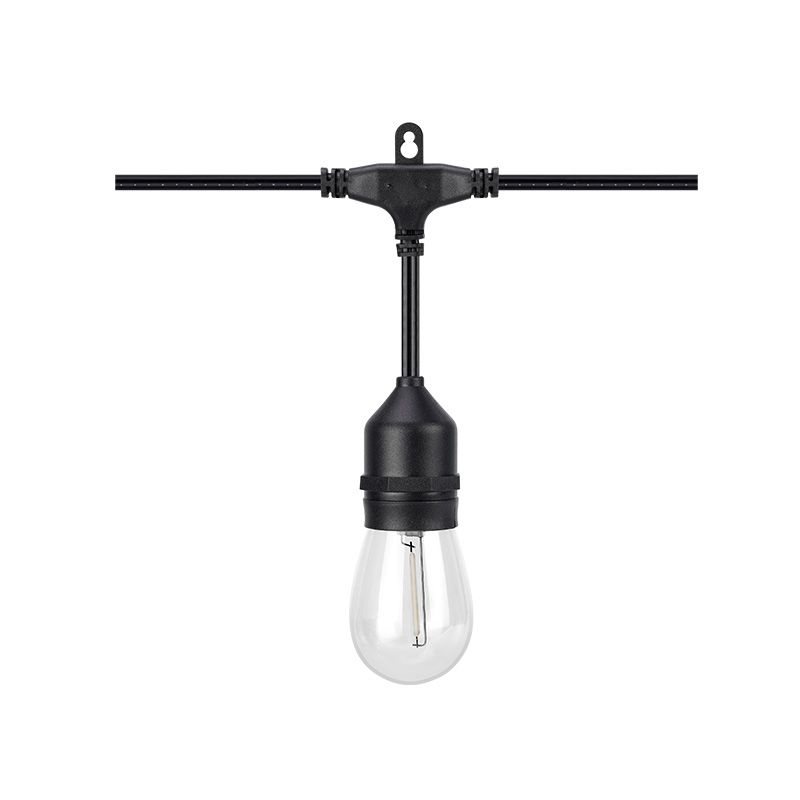
| Pendant / café string | ST64 | 2200–2700K | Clear or Amber |
| Industrial / loft | T30 / T45 | 2200–2500K | Clear |
| Globe / vanity fixture | G80 / G95 | 2700K | Amber or Smoked |
| Gift table lamp | G80 / ST64 | 2700K | Smoked / Amber |
| Chandelier / multi-bulb | ST64 / T45 | 2700K | Clear |
Getting the right antique lamp bulb isn't complicated — once you know which specs actually drive the result. Start with color temperature, check lumens, confirm the base and shape fit your fixture, and decide whether you need dimming. Everything else follows from those four decisions.