 English
 русский
Content
Most people pick Christmas light string bulbs by color alone — and end up replacing half the strand by February. The real decisions are energy type, bulb shape, IP rating, and dimmability. Get those four right and your lights will last seasons, not weeks.
LED vs. Incandescent: The Numbers That Matter
LED Christmas light string bulbs consume up to 90% less energy than traditional incandescent versions and can reach a rated lifespan of 25,000–50,000 hours, compared to roughly 1,000–1,200 hours for incandescent bulbs. For a typical holiday display running 6 hours a day over 60 days, a single incandescent strand can add $10–$15 to your electricity bill; the LED equivalent costs closer to $1–$2.
Incandescent bulbs still have a place: their filament-driven warm glow (around 2,200–2,700K) is genuinely hard to replicate, and upfront costs are lower. But for outdoor use, the choice is clear — LED plastic bulbs resist cold temperatures that can crack glass incandescent casings, and they stay cool enough to touch after hours of use, reducing fire risk around dry foliage.
Bulb Shapes and What They're Actually For
Shape determines visual impact more than any other spec. Here's how the most common formats break down:
| Shape | Diameter | Best For |
|---|---|---|
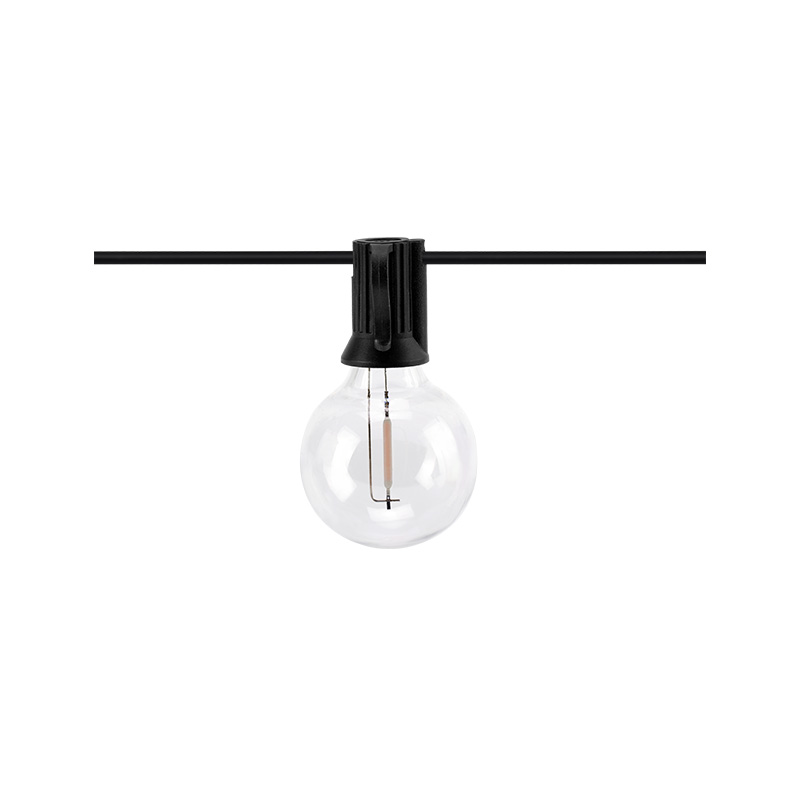
| G40 | ~40 mm | Patio strings, outdoor canopies, pergolas |
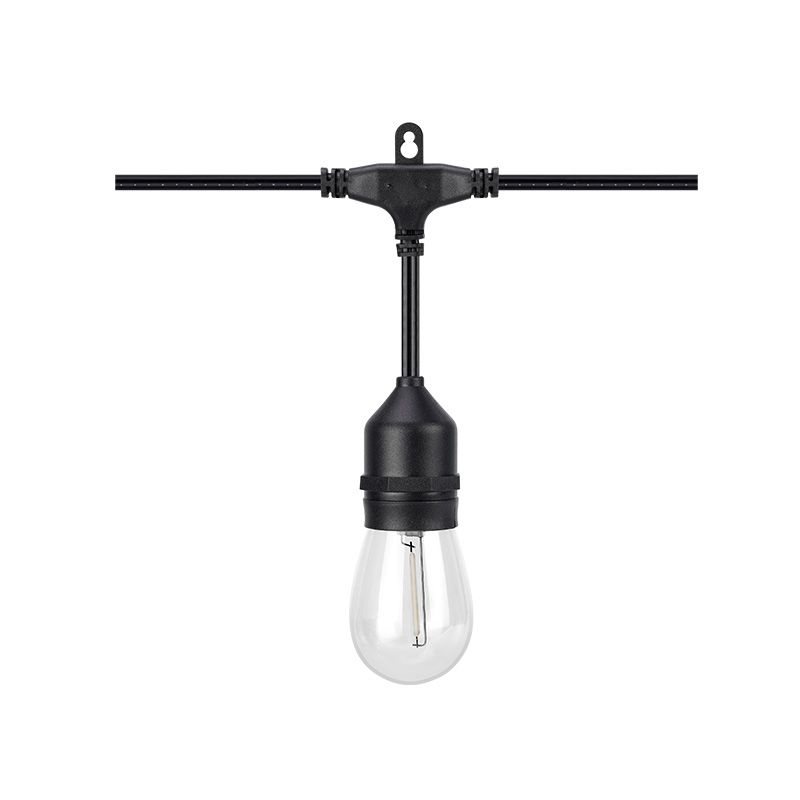
| S14 | ~45 mm | Commercial venues, bistro-style displays |
| Mini / M5 | ~10–13 mm | Tree wrapping, wreaths, garlands |
| C7 / C9 | ~30–45 mm | Rooflines, large outdoor trees |
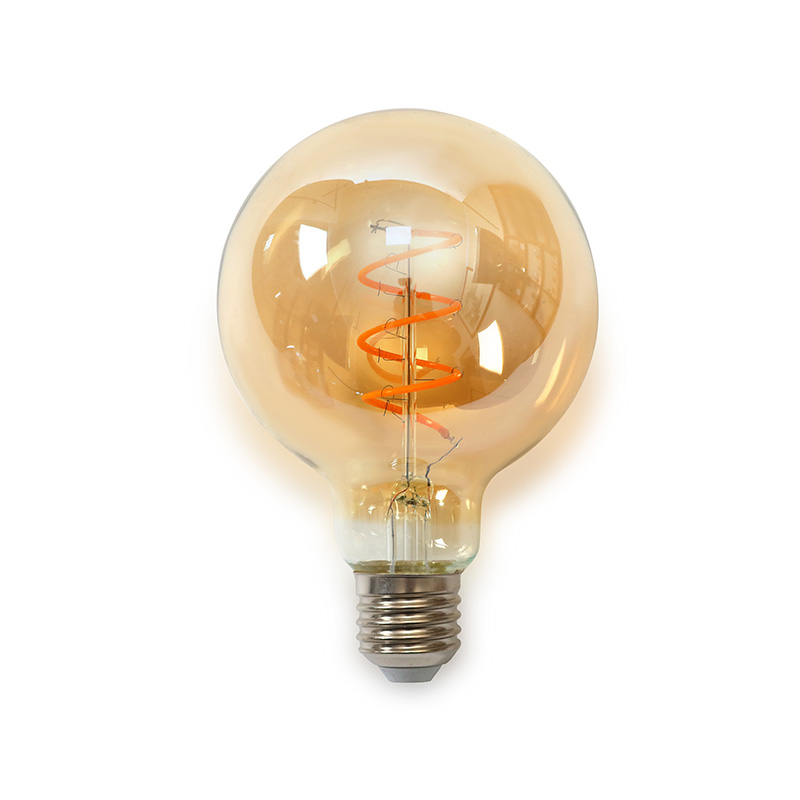
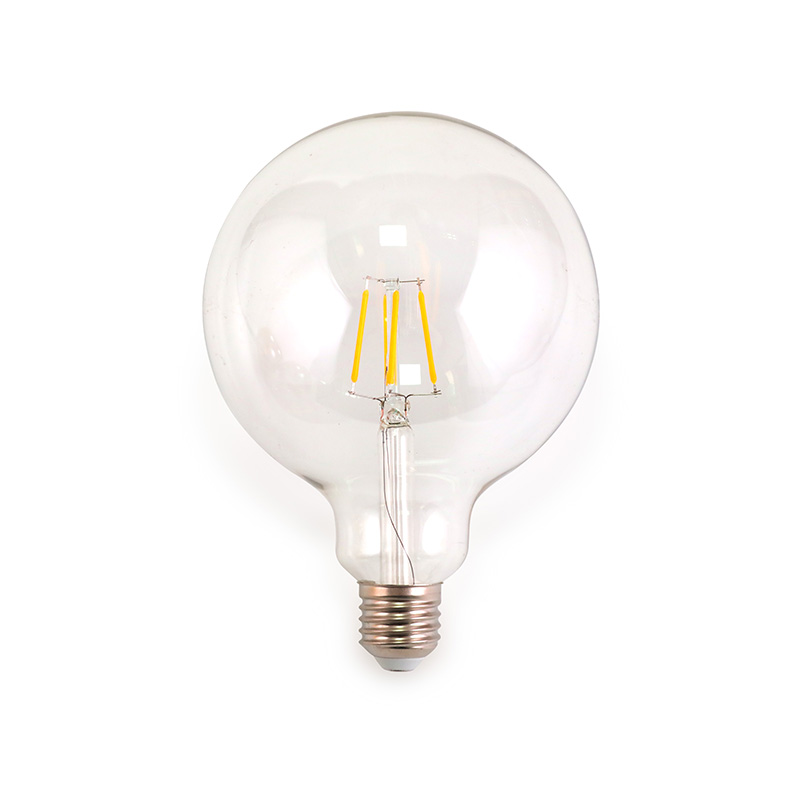
The G40 round dimmable bulbs for outdoor string lighting on the market use dual-color LED filaments inside a 40 mm globe, outputting 110–130 lm of warm white light per bulb — enough to create atmosphere without washing out the space. The S14 two-color plastic shell options take a different approach, using a bi-color housing to add visual texture even when unlit.
IP Ratings: Indoor vs. Outdoor
The IP (Ingress Protection) code is the single most important number for outdoor installations, yet most buyers ignore it entirely. The two digits tell you dust resistance (first digit) and liquid resistance (second digit):
- IP20 — Indoor only. No moisture protection whatsoever. Using these outside is a safety hazard.
- IP44 — Splash-resistant. Fine for sheltered porches or under eaves where rain doesn't hit directly.
- IP65 / IP67 — Dust-tight and water-jet resistant. Required for rooflines, garden paths, and any exposed installation.
If you plan to mount strings on gutters or wrap outdoor trees, IP65 is the minimum you should accept. Before hanging anything, check the label — not just for IP rating but for whether the string is explicitly rated for outdoor use. For safe installation techniques, see the guide on how to install round dimmable christmas light strings without causing damage.
Dimmability and Color: Getting the Atmosphere Right
Dimmable light strings give you control that fixed-brightness strings simply can't match. A backyard dinner needs softer light than a front-yard display visible from the road. Look for strings that are compatible with standard trailing-edge dimmers — not all LED strings work with every dimmer type, so check the spec sheet before buying.
For color temperature, warm white (2700–3000K) suits most residential and hospitality settings, pairing naturally with wood, brick, and classic ornament colors. Cool white (5000–6500K) works better for modern, minimalist displays or blue-and-silver themes. Multi-color strings offer flexibility, but the quality of the color filter matters: look for color-infused lenses rather than surface coatings, which fade with UV exposure.
Practical Checklist Before You Buy
- Measure first. Calculate the linear footage you need to cover, then add 15–20% for slack and connections. Running short mid-installation is one of the most common and avoidable mistakes.
- Check the IP rating against your actual installation environment — not just "indoor" or "outdoor" but whether the location is sheltered, exposed, or prone to standing water.
- Match the bulb shape to viewing distance. G40 and S14 globes read well from 5–15 meters; mini bulbs disappear at that range.
- Verify dimmer compatibility if you're planning adjustable brightness — especially for solar-powered strings, which use their own control circuitry.
- Think about storage. Plastic-cased LED bulbs coil and store without the breakage risk of glass. If you plan to reuse strings for 3–5 seasons, this matters more than upfront price.
For the full product range including G40 dimmable and S14 shell options, see the full range of christmas light string bulbs available with CE and RoHS certification for both domestic and export markets.