 English
 русский
Content
Most people shopping for vintage bulbs make one mistake upfront: they focus on watts instead of lumens. A traditional 60W incandescent outputs around 800 lumens, but a classic Edison-style incandescent at the same wattage delivers only about 300 lumens — roughly half the brightness. The look is intentional. Edison light bulbs and vintage light bulbs are built for atmosphere, not overhead illumination. Understanding this distinction saves a lot of buyer frustration.
What Makes an Edison or Vintage Bulb Different
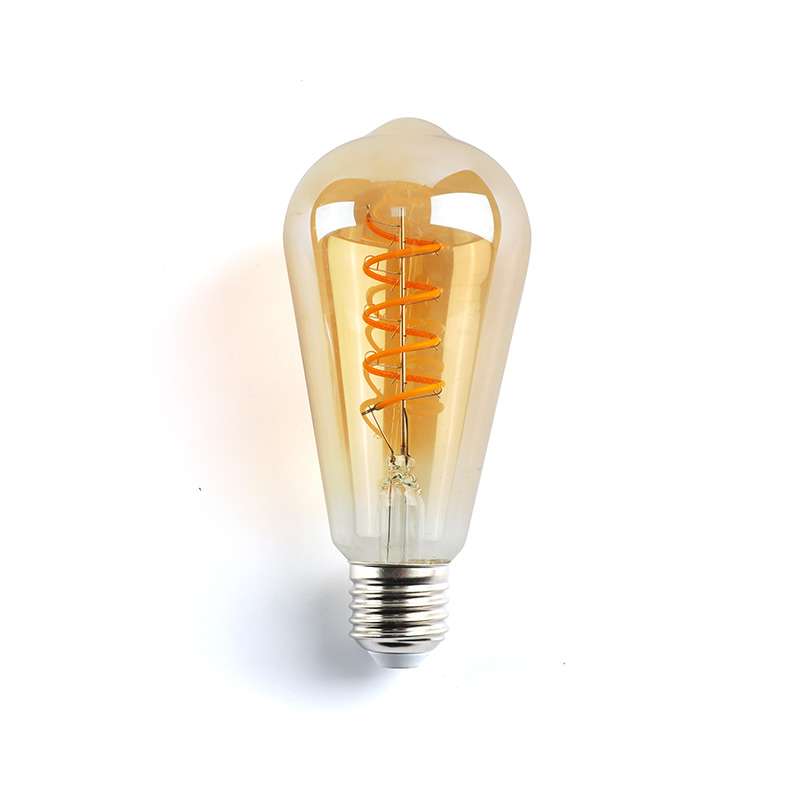
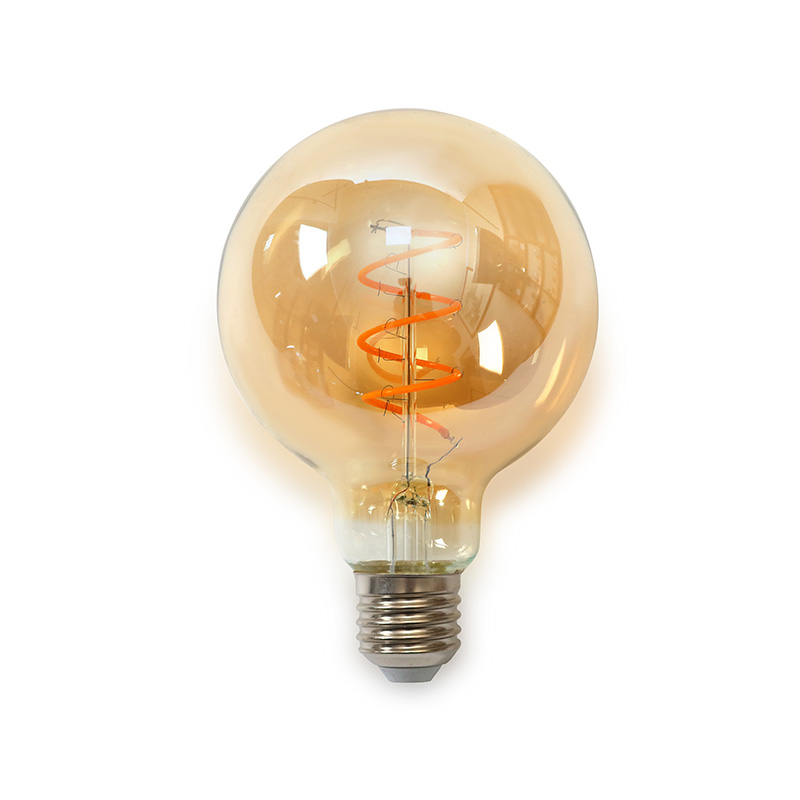
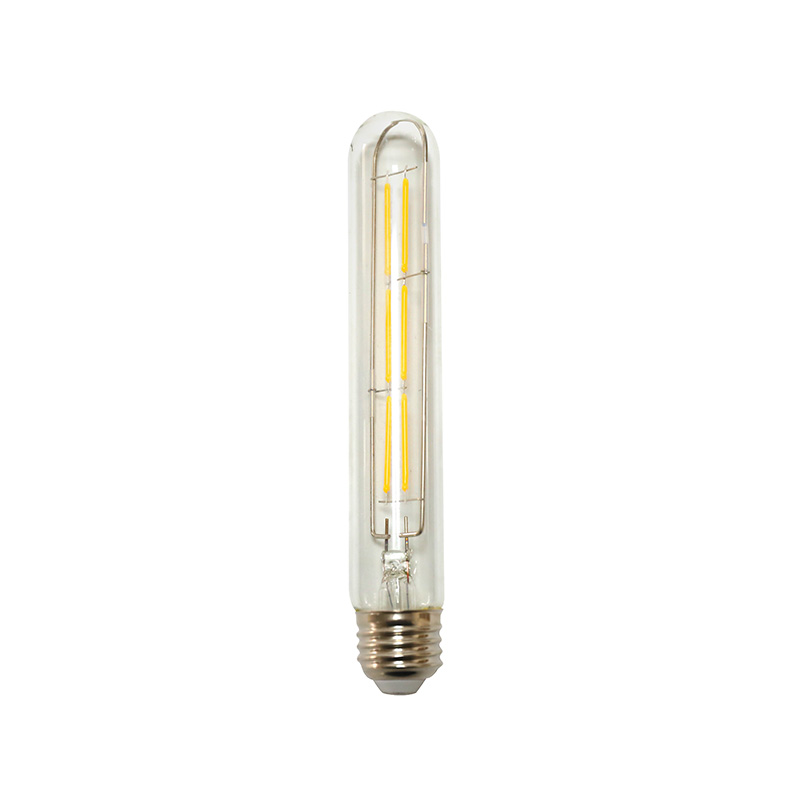
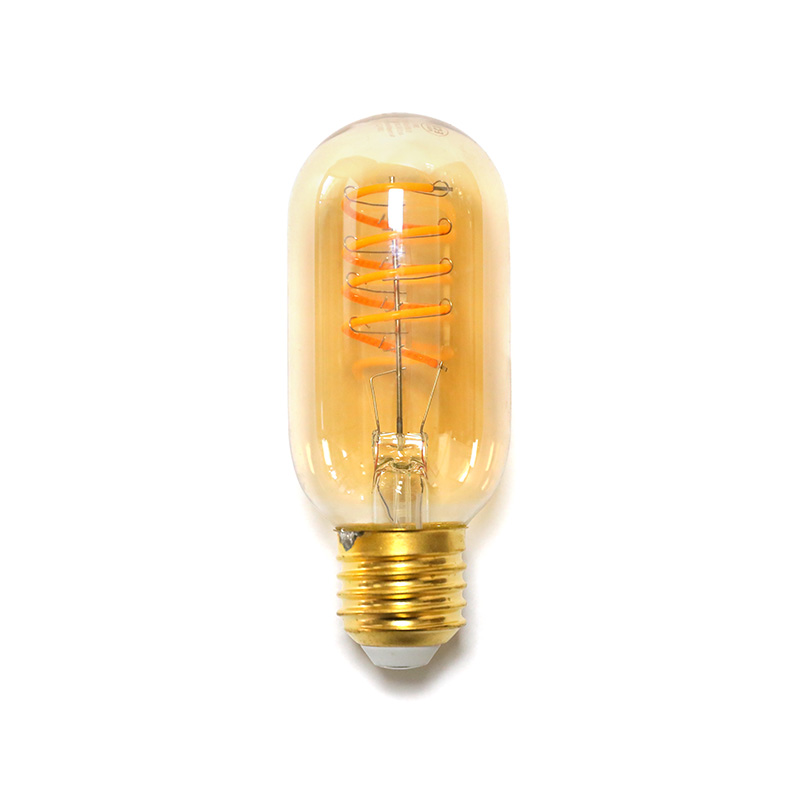
The defining feature is the exposed filament. Whether it's a squirrel cage loop, a spiral coil, or a flexible multi-strand design, the filament is part of the visual product — something you're meant to see. This is why most Edison and vintage bulbs use clear or amber-tinted glass rather than frosted diffusers.
Color temperature is also distinctly lower. Standard warm-white LED bulbs run at 2700K. Vintage-style bulbs sit between 1800K and 2400K, producing a golden, candle-like glow closer to amber than yellow. That color range is what gives bars, restaurants, and living rooms their relaxed, intimate quality.
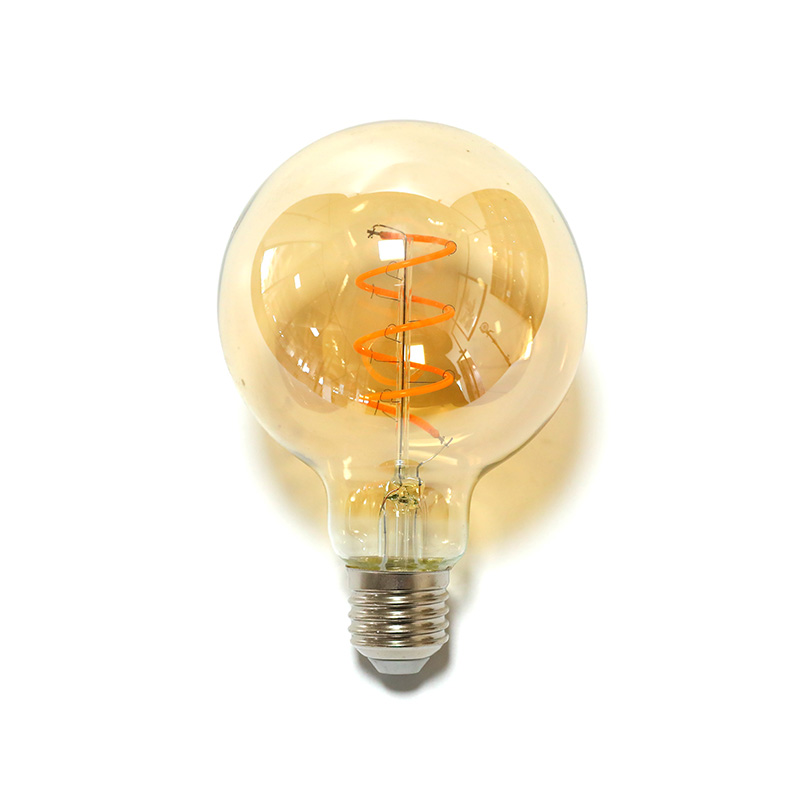
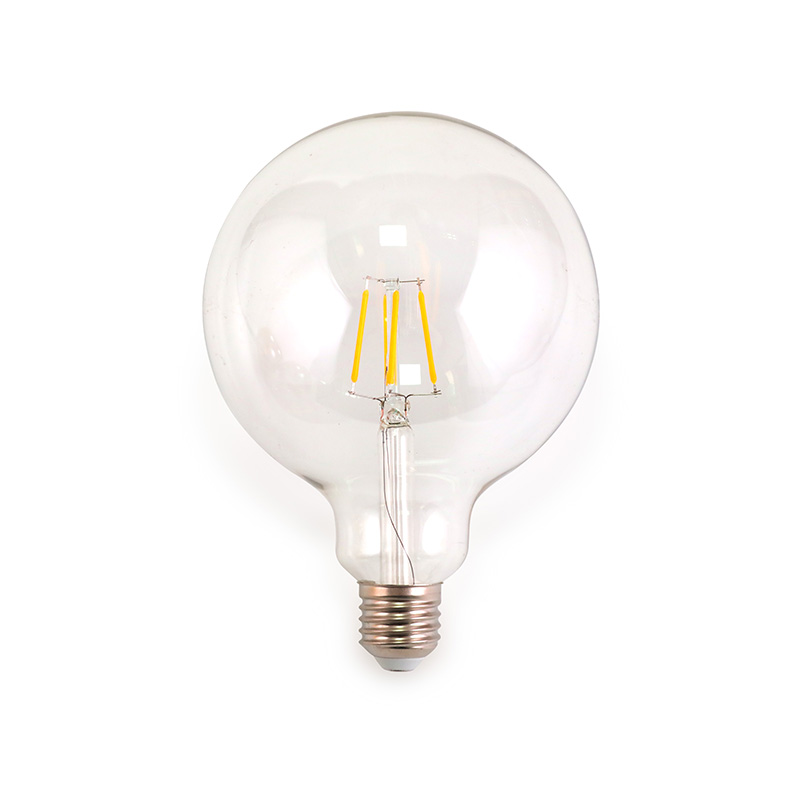
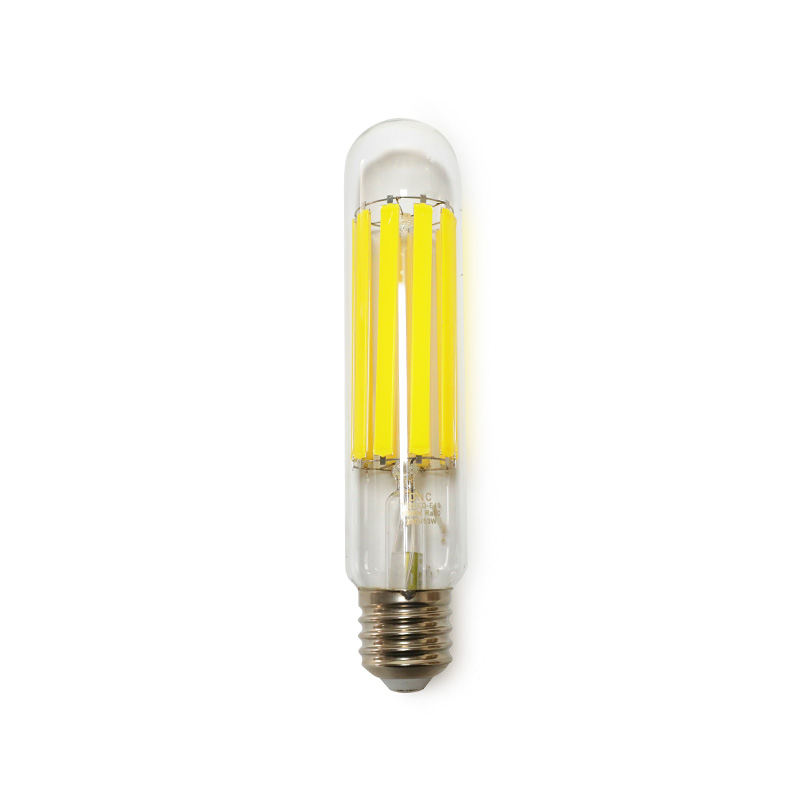
Shapes matter too. The most common formats — ST64 (teardrop), G80, G95, G125 (globe sizes), T30/T45 (tubular), and A60 — each suit different fixtures. ST64 screw-in antique lamp bulbs are among the most popular for pendant lights and exposed sockets. G125 oversized globe bulbs with golden warm light work well in chandeliers and statement fixtures where the bulb itself is part of the design.
Incandescent vs. LED Filament: The Practical Choice
Traditional incandescent Edison bulbs last around 1,000–2,500 hours. LED filament versions — built to look identical — last 15,000 to 25,000 hours while consuming 80–90% less energy. A 4W LED filament bulb replaces a 40W incandescent with the same visual warmth and comparable lumen output.
| Feature | Incandescent Edison | LED Filament Vintage |
|---|---|---|
| Typical Wattage | 25–60W | 2–8W |
| Lifespan | 1,000–2,500 hrs | 15,000–25,000 hrs |
| Color Temperature | 1800–2400K | 1800–2700K |
| Dimmable | Yes | Most models, yes |
| Energy Savings vs. Incandescent | Baseline | ~80–90% less |
For most buyers today, LED filament is the right call. The filament design — visible inside the glass — is nearly indistinguishable from the original. Products like G80 flexible filament antique lamp bulbs and G95 double ring filament bulbs deliver the same aesthetic with a fraction of the operating cost.
How to Read a Vintage Bulb Spec Sheet
Ignore the watt-equivalency claim unless you know the baseline. A bulb labeled "40W equivalent" may only produce 300–450 lumens — fine for accent lighting, but not enough to read by. Focus on the lumen number instead. For ambient mood lighting in a living room or dining area, 400–600 lumens per fixture is typically sufficient. For a workspace or kitchen counter, push toward 700+.
Also check whether the bulb is rated for enclosed fixtures. Many vintage-style bulbs are designed for open pendants, sconces, and exposed sockets. Using them in a sealed enclosure traps heat and shortens lifespan significantly.
Base size is straightforward: E26 (medium screw) is standard in North America, E27 in Europe. Candelabra sockets use E12 or E14. Most antique lamp bulb collections cover both E26 and E27 options.
Where Vintage Bulbs Work Best — and Where They Don't
These bulbs are purpose-built for atmosphere. They perform well in:
- Pendant lights and exposed sockets — the filament becomes a focal point
- Dining rooms and living areas — the 1800–2400K glow softens the space
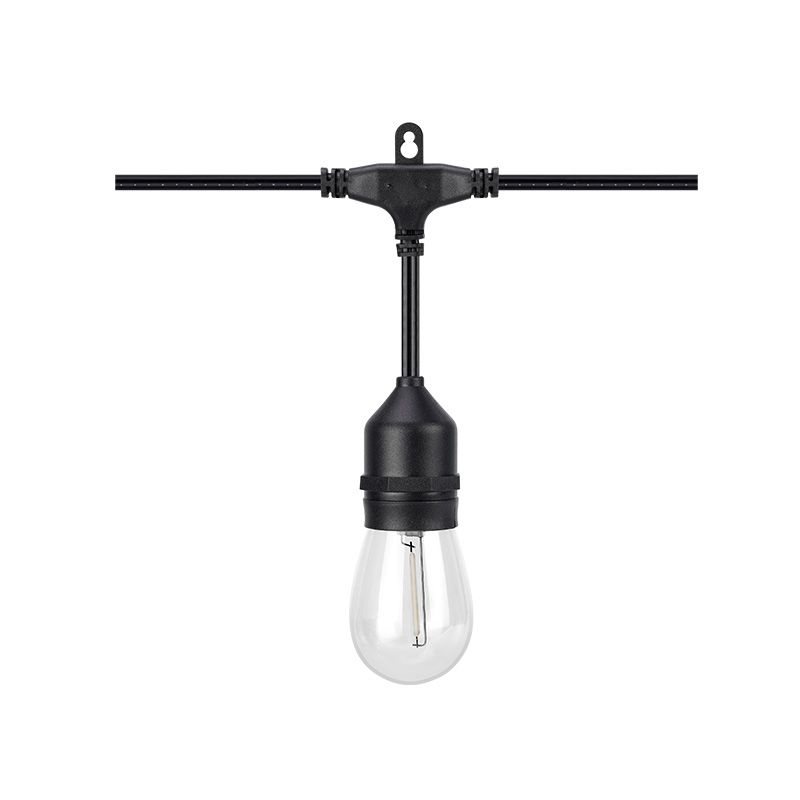
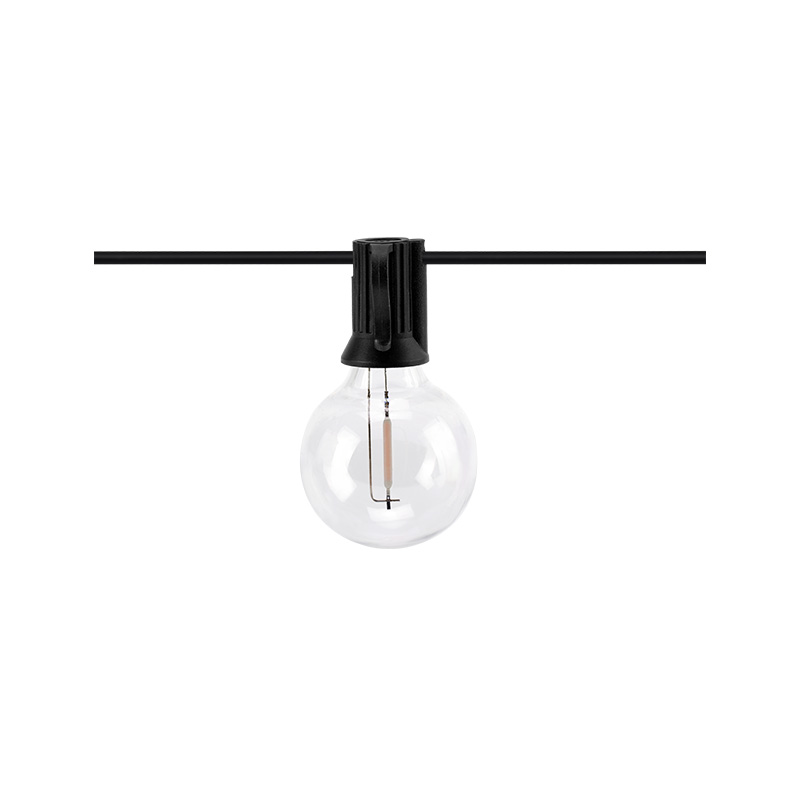
- Bars, cafés, and hospitality spaces — industrial and vintage aesthetics are well-established in these settings
- Decorative table lamps and gift lamps — paired with the right base, a G95 or G125 globe becomes a standalone decorative object
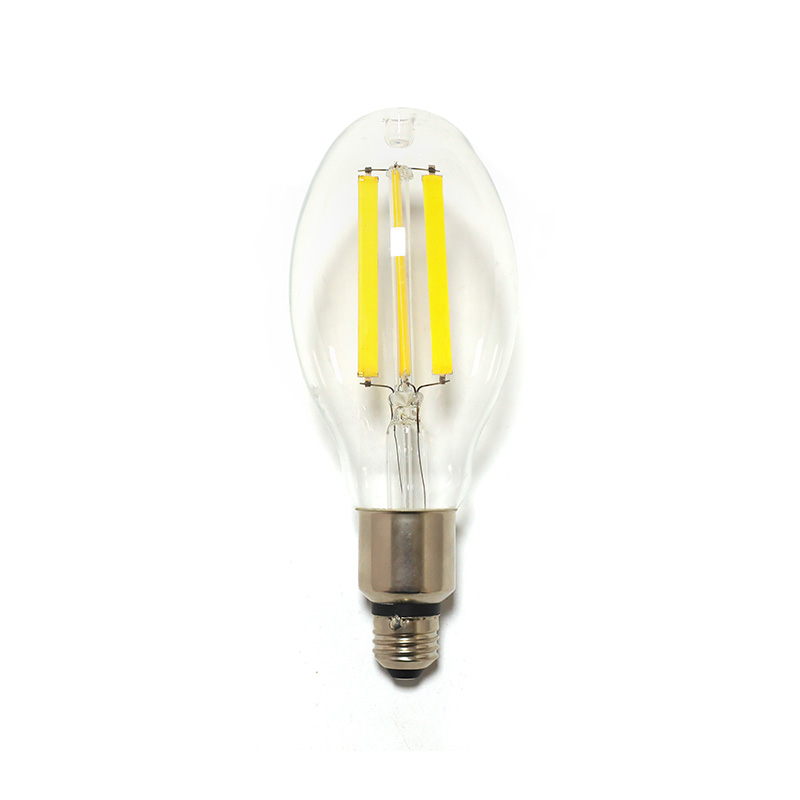
They are not the right choice for task lighting, reading lamps requiring high brightness, or recessed ceiling fixtures. If a space needs 1,000+ lumens from a single source, look at high-lumen filament options designed for output rather than ambiance.
Buying Tips Worth Keeping
Buy dimmable versions by default. Even if you don't have a dimmer installed now, the flexibility to add one later is worth the marginal cost difference. Most quality LED filament bulbs support smooth dimming down to 10–20% — which is where the real magic of vintage lighting happens.
Consider bulb shape relative to your fixture's shade or opening. A G125 (125mm diameter globe) won't fit a narrow-necked pendant designed for an ST64. Measure the opening before ordering, especially for decorative fixtures where the bulb sits partially exposed.
For home filament light bulbs used in everyday fixtures, an A60 or C35 form factor with a 2700K LED filament hits the sweet spot: familiar shape, warm color, long life, easy replacement. Reserve the more elaborate globe and tubular shapes for fixtures where the bulb is meant to be seen.
One last point: consistency matters more than individual bulb selection. A room lit by four matching ST64 filament bulbs in identical color temperature reads as intentional design. The same room with mismatched warmth levels and shapes looks accidental. Order a few extras when you find a bulb you like — color consistency across batches from the same SKU is much easier to manage than hunting for an exact match later.