 English
 русский
Content
- 1 Understanding Table Lamp Bulbs and Their Practical Role
- 2 Common Base Types Used in Table Lamp Bulbs
- 3 Brightness Levels: Choosing the Right Lumens
- 4 Color Temperature and Its Impact on Comfort
- 5 Energy Efficiency and LED Table Lamp Bulbs
- 6 Dimmable and Smart Table Lamp Bulb Options
- 7 Matching Table Lamp Bulbs with Lamp Shades
- 8 Maintenance and Safety Tips for Table Lamp Bulbs
Understanding Table Lamp Bulbs and Their Practical Role
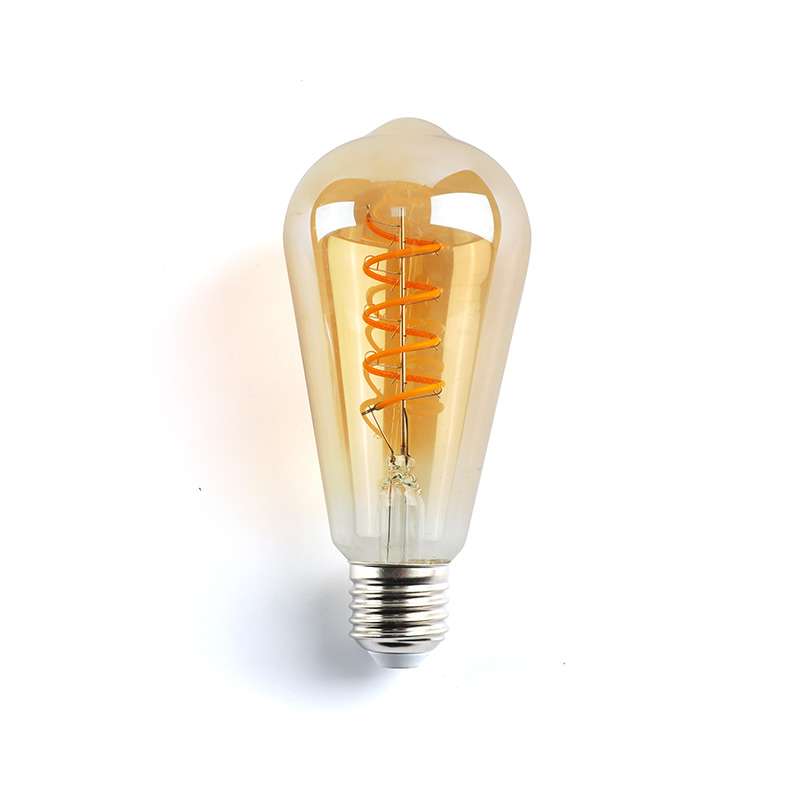
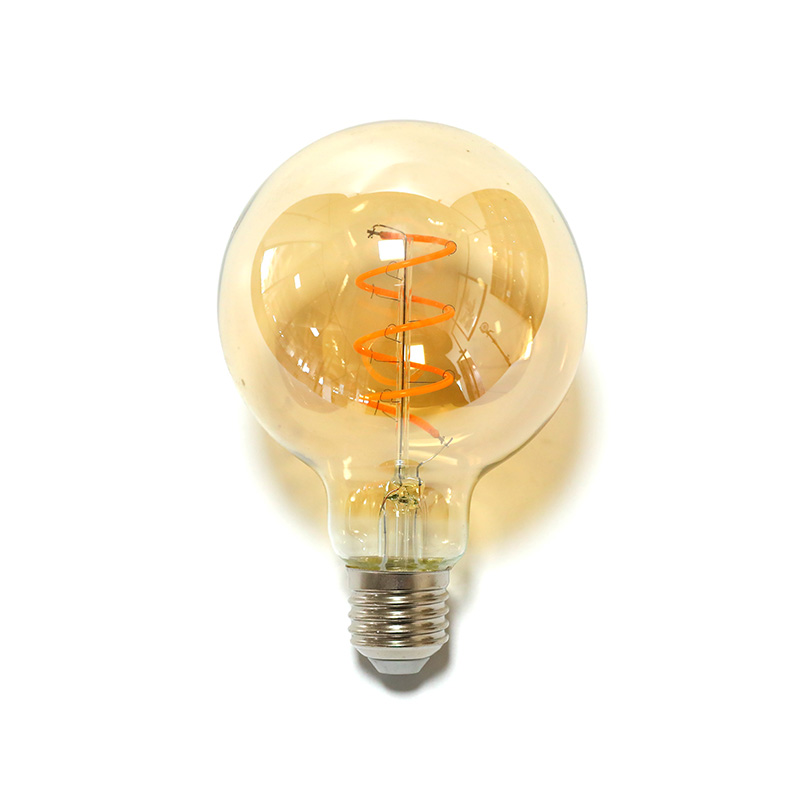
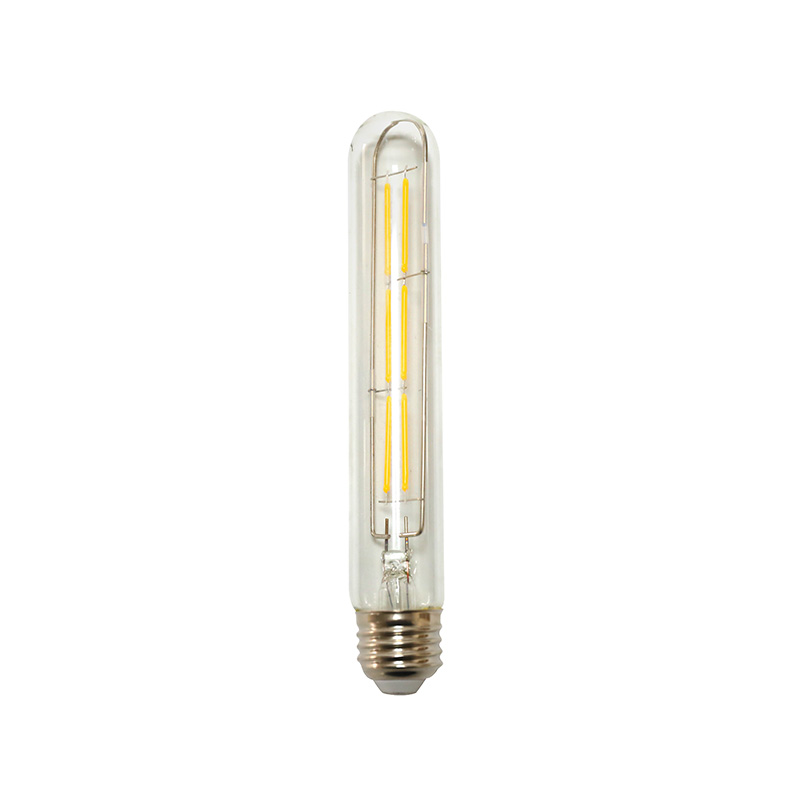
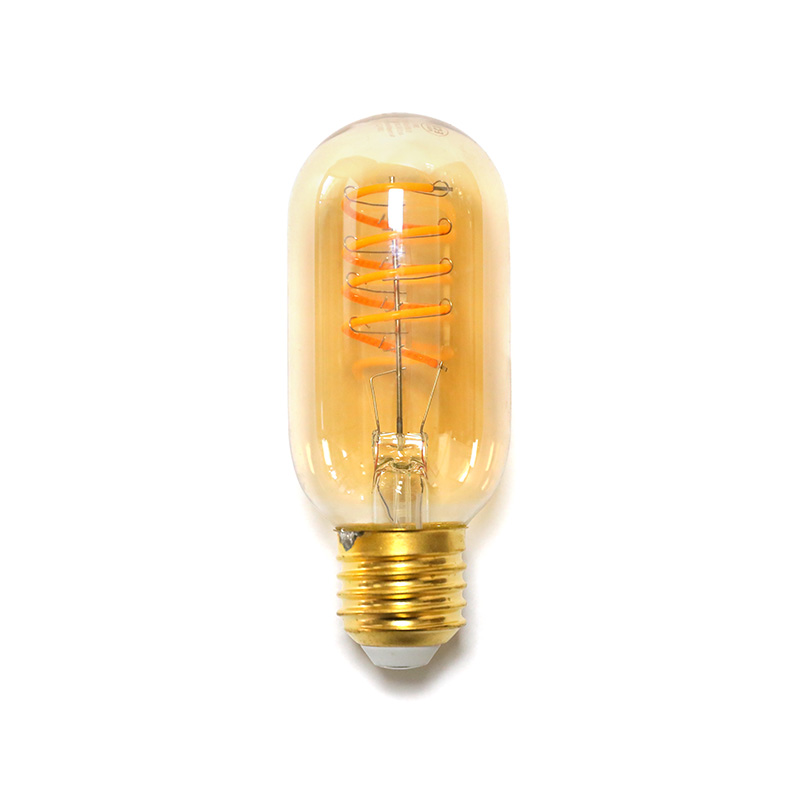
Table lamp bulbs are designed to provide localized lighting for reading, working, or creating ambient light in a room. Unlike ceiling fixtures, table lamps depend heavily on the right bulb choice to deliver usable brightness without glare. Selecting the correct bulb affects not only illumination quality but also energy consumption, eye comfort, and lamp lifespan. Modern table lamp bulbs are available in LED, incandescent, and halogen options, with LED bulbs now being the most efficient and widely used.
When choosing bulbs for table lamps, it is important to focus on fit, brightness, and color temperature rather than just wattage. A well-matched bulb improves task lighting, reduces shadows, and complements the lamp shade design.
Common Base Types Used in Table Lamp Bulbs
The bulb base determines whether a bulb fits your table lamp socket. Most table lamps use standard screw bases, but size and compatibility still matter. Using the wrong base can cause loose connections or prevent the bulb from fitting entirely.
- E26 base: Common in North America, suitable for most standard table lamps.
- E27 base: Similar to E26, widely used in Europe and many other regions.
- E12 candelabra base: Often used in decorative or compact table lamps.
Always check the lamp socket marking or the original bulb before purchasing replacements to ensure proper compatibility.
Brightness Levels: Choosing the Right Lumens
Brightness in table lamp bulbs is measured in lumens rather than watts. Lumens indicate how much light a bulb emits, making it easier to choose the correct level for specific tasks.
| Lumens | Recommended Use |
| 300–450 | Soft ambient or bedside lighting |
| 500–800 | Reading or desk table lamps |
| 900–1200 | Task-focused or workspace lighting |
Choosing appropriate lumens prevents eye strain while ensuring sufficient illumination for everyday activities.
Color Temperature and Its Impact on Comfort
Color temperature, measured in Kelvin (K), determines how warm or cool the light appears. Table lamp bulbs should match the intended room atmosphere and function.
- 2700K–3000K: Warm white, ideal for bedrooms and living rooms.
- 3500K–4000K: Neutral white, suitable for reading and general use.
- 5000K–6500K: Daylight, best for detailed tasks or craft tables.
Using the correct color temperature improves focus and comfort, especially when lamps are used for extended periods.
Energy Efficiency and LED Table Lamp Bulbs
LED table lamp bulbs are the preferred choice due to their low energy consumption and long lifespan. Compared to incandescent bulbs, LEDs use up to 80% less energy while producing the same brightness.
An LED bulb rated at 9 watts can replace a 60-watt incandescent bulb, reducing electricity costs without compromising light quality. This makes energy efficient light bulbs a practical investment for daily-use table lamps.
Dimmable and Smart Table Lamp Bulb Options
Dimmable bulbs allow you to adjust brightness levels to suit different activities, from reading to relaxing. When selecting dimmable table lamp bulbs, ensure that both the bulb and the lamp switch support dimming.
Smart bulbs add remote control, scheduling, and color adjustment features. These bulbs work well in table lamps placed in bedrooms or home offices, offering convenience without changing fixtures.
Matching Table Lamp Bulbs with Lamp Shades
Lamp shades influence how light is distributed. Opaque shades diffuse light downward, while translucent shades allow light to spread evenly. Bulb shape and brightness should complement the shade to avoid hotspots or dim output.
A lower-lumen bulb paired with a light-colored shade often provides balanced lighting suitable for living spaces.
Maintenance and Safety Tips for Table Lamp Bulbs
Always turn off and unplug table lamps before replacing bulbs. Avoid exceeding the lamp’s maximum wattage rating, even when using LED bulbs. Regularly dust bulbs and shades to maintain brightness and reduce heat buildup.
Proper handling and correct bulb selection extend lamp life and ensure consistent lighting performance over time.